




Ed Bobit's Publisher's Page
If you purchased a daily newspaper on September 3rd you undoubtedly were exposed to one of the auto industry's best unified efforts. My reference is to the ad developed and paid for by the four major car makers through the Motor Vehicle Manufacturers Assn.; it ran in all 1800 dailies to get an important message to the American car buying public.

If you purchased a daily newspaper on September 3rd you undoubtedly were exposed to one of the auto industry's best unified efforts. My reference is to the ad developed and paid for by the four major car makers through the Motor Vehicle Manufacturers Assn.; it ran in all 1800 dailies to get an important message to the American car buying public.
The headline was "You'll Be Paying the Bill, So Let Congress Know Your Choice." At issue is the auto emission standards that, unless Congress acts soon, will make 1978 cars even more complicated, more costly and less fuel-efficient. The ad urges car owners and buyers to express their views to their congressmen and presents the two emission choices.
First, you can back President Ford's call for extension of current emission-control laws for five years. This would result in continued improvement in air quality as new cars replace cars pre-dating emission controls, and it would let the auto makers deliver on their individual commitments to improve fuel economy by 1980 an average of 40-percent over 1974.
Or, secondly, one can allow the present federal law on emissions to go into effect making the 1977-78 model cars meet more stringent standards. According to estimates by the auto makers, this could increase the cost of a new car between $150 and $400 and could reduce fuel economy from 5 to 30-percent compared to current models.
The choice is both yours and mine. Certainly the voice of the fleet industry, with its heavy concentration of cars in significant numbers and the resultant burden of cost upon these volume purchasers, should be heard in Washington.
Factually, most of the pollution from motor vehicles has been eliminated with current models. Hydrocarbon and carbon monoxide emissions have been cut by more than 80-percent, and oxides of nitrogen approximately 40-percent, compared with precontrolled cars. The cost of emission and safety equipment on 1975 models has now reached $746 a unit. And now another possible $400.
As Oscar A. Lundin, Vice Chairman of GM, told the House of Representatives Automobile Industry Task Force, "The powerful discipline of market forces makes legislation affecting the automobile unnecessary at this time. There is no magic technology to achieve the mileage goals envisioned by some proposed legislation."
Realistically, there does exist the need for a productive pause in both safety and emission requirements. This does not mean a rollback in standards. Rather, it would be a period of time during which our country would be able to conserve both energy and inflationary costs while all concerned thoroughly investigate what has been accomplished and precisely what further steps are necessary in the year ahead.
If you did not respond to the September 3rd MVMA ad, the time is now! Make your choice! Washington and the auto industry deserve to hear from you.
More Operations

Fleet Has a Talent Pipeline Problem. What Comes Next? | AF News Recap
Where will fleet’s next generation of leaders come from? This week, we’re looking at the industry’s talent pipeline, what certification can add to a fleet career, how to build an award-worthy track record, and the return of Automotive Fleet’s Personal Use Survey.
Read More →
Smith System Launches Driver Risk Management Program
Fleets have more driver data than ever, but identifying risky behavior doesn't necessarily correct it. Smith System's new Driver Risk Management program combines monitoring, training, and follow-up coaching to help fleets connect risk signals with driver intervention.
Read More →
Automotive Fleet Opens 2026 Personal Use Survey for Commercial Fleet Managers
Less than two weeks left! Commercial and corporate fleet managers are invited to share how their organizations handle company vehicle personal-use policies, charges, and driver eligibility.
Read More →
From AI Prompts to AI-Generated Safety Songs | AF News Recap
Can better prompts make AI more useful for fleet managers? This week, we’re breaking down smarter fleet analysis, an AI-assisted experiment that turned safety training into music, and what happened to fuel prices in August.
Read More →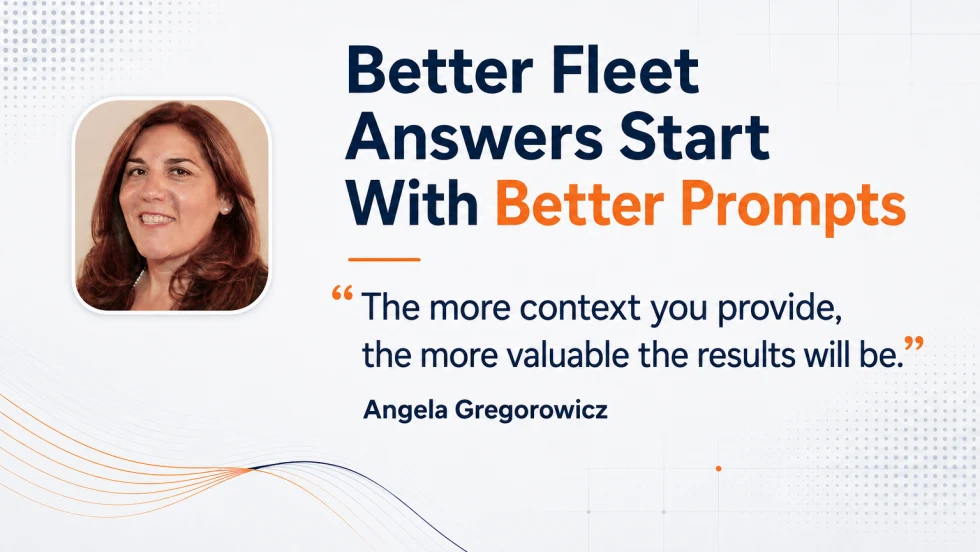
How to Write Better AI Prompts for Fleet Analysis
Include these six elements in your fleet prompts to generate more relevant analysis and accurate answers.
Read More →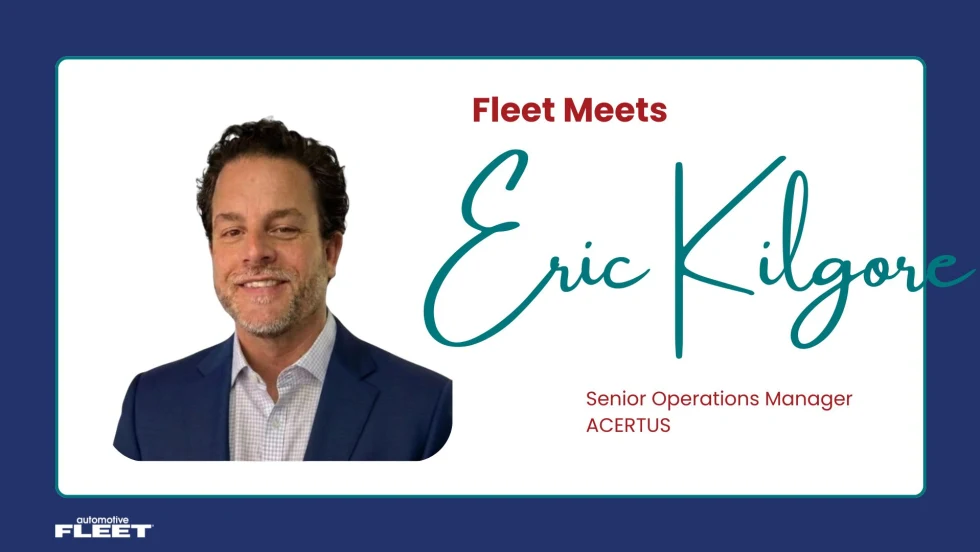
Fleet Meets: Eric Kilgore
This edition of the Fleet Meets series features one of the industry's best leaders driving multi-market and national operations.
Read More →
Why Reactive Fleet Management Is Becoming Too Expensive to Sustain
Research highlights a growing need for proactive management strategies to address rising costs in fleet operations effectively.
Read More →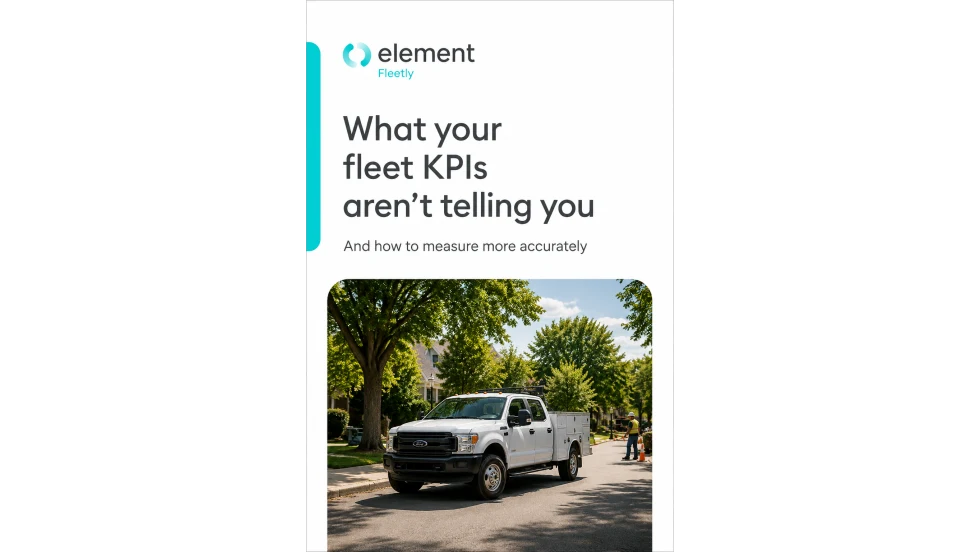
What Your Fleet KPIs Aren’t Telling You
Tracking fleet metrics is only useful when the data leads to better decisions. This guide helps fleet leaders assess cost, utilization, and downtime more accurately, identify performance gaps, and prioritize the actions that can improve operational results.
Read More →
Hidden in Plain Sight: Fleet Compliance Risks
Fleet compliance isn't just about having policies — it's about consistently enforcing them. This practical guide reveals six hidden compliance risks common in public sector and shared fleet operations and outlines proven strategies to improve visibility, accountability, and audit readiness
Read More →
Turning Fleet Payment Data into Executive Insights
Does data alone drive results in operations?
Read More →