




Cox Looks to Sprinter & Hybrid Vans for Better MPG
Replacing more than 1,500 vans with the Mercedes-Benz Sprinter has helped the media company achieve an 85-percent increase in miles per gallon.

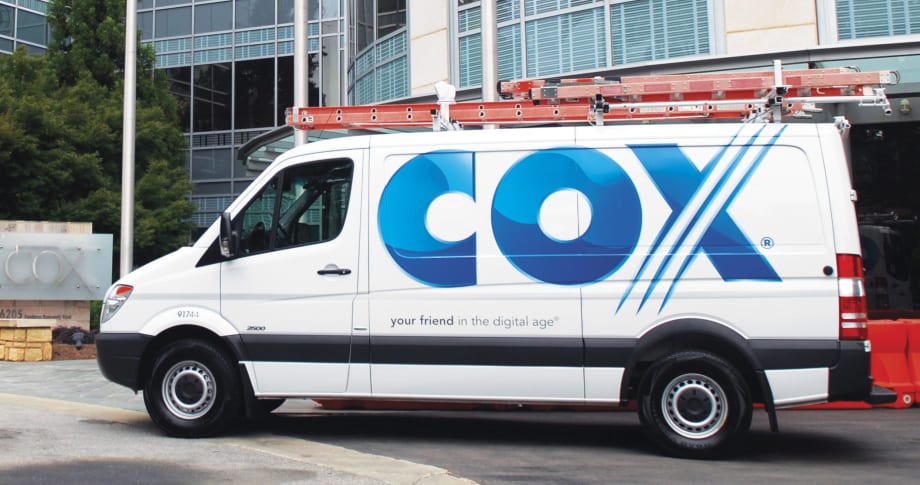
Cox has invested in the Mercedes-Benz Sprinter, and, over the past year,
replaced more than 1,500 Chevrolet Express and Ford E-Series models with the diesel van. (PHOTO: Cox Enterprises)
Since launching the Cox Conserves sustainability program seven years ago, Cox Enterprises has shifted from spec’ing work vans over to the Mercedes-Benz Sprinter — citing a big jump in miles per gallon — and has made other changes in how the fleet approaches efficiency.
The Cox Conserves program is a company-wide effort to reduce carbon output and other environmental impacts. “In many cases, what’s good for the environment is good for the bottom line, and the fleet is one of the greatest examples of this,” said Elizabeth Olmstead, a Cox Enterprises spokesperson. With a fleet of around 13,000 vehicles, carbon-output reductions can make a big impact to the company’s carbon footprint.
Cox fleet experts Mark Leuenberger, assistant vice president of supply chain and fleet, and Jim Bigelow, director of fleet, break down some of the most recent changes to fleet, including spec changes and standardization, a look to hybrids, routing refinement, and other operational efficiencies.
Making the Switch
When the Cox Conserves program first started, biodiesel-capable vehicles played a dominant role in the company’s vehicle choice; however, as biodiesel quickly waned and became difficult to find at the pump, this was no longer a viable fuel choice.
“You just can’t run a fleet of our size on biodiesel right now,” Leuenberger said. Moving to a clean diesel platform was a far more feasible option.
As a solution, Cox invested in the Mercedes-Benz Sprinter, and over the past year has replaced more than 1,500 Chevrolet Express and Ford E-Series models with the diesel full-size van.
Leuenberger said the switch to the Sprinter has been a “huge win” for Cox, since the van has a higher weight capacity, more head room, and, important to Cox, the company achieves about an 85-percent increase in miles per gallon.
“While the Sprinters are more expensive up front, those are the kinds of things that Cox is willing to invest in,” he said. “It’s an all-around win for us. In the end, once you calculate the total cost of ownership, it’s really cheaper to own despite diesel being a little more expensive.”
Drivers have been pleased with the vehicle choice, particularly noting the tighter turning radius.
Standardization with Flexibility
To achieve the switch to the Sprinter, Cox underwent spec standardization across its entire fleet, from vans to bucket trucks. The Cox fleet is managed as a shared service among the company’s operating groups, which makes standardization — as well as negotiating for better pricing — easier to do.
The standardization is flexible, however, and considers variables such as weather and terrain.
“We don’t say this is the cookie-cutter truck that everyone gets because we know that operations in Phoenix will have different requirements compared to New England,” Leuenberger said.
When it came to standardizing, fleet shared services reached out to those divisions and customers for input. Once all specs were gathered, they were reviewed to ensure that operating costs and environmental impact were on par with company goals.
For bucket trucks, the company is using electric-hydraulic booms, so the trucks don’t have to idle to operate the boom lift, or increase the rate of engine wear and tear.
“Everything we do is an evolution — we started with an all-in hybrid truck but this is what we’re doing now,” Leuenberger said. Currently, Ford chassis trucks are the standard bucket body for Cox with either Altec or ETI booms.
Another strategy shift within overall fleet standards is that the company maintains a tighter fleet replacement cycle of five to six years.
“We have found with the natural progression of the CAFE standards that vehicles every year are getting a little bit better mileage, so as we turn our vehicles, we’re getting better mileage that way,” Leuenberger said.
Maintenance is also a piece of the company’s standardization practices. According to Bigelow, the entire chassis as well as all upfits on vehicles are checked for any mechanical or safety issues at every scheduled maintenance interval. On the boom trucks, this helps prevent any hydraulic failures, for example.
“We’ve taken the approach that good PM on the entire vehicle will do as much as possible to eliminate those problems,” he said. “We do not have a substantial amount of hydraulic problems and we attribute that to our PM program.”
To further streamline maintenance, Manheim, a Cox Enterprises subsidiary and wholesale vehicle auction service, provides maintenance for about 85 percent of the Cox fleet. In areas not serviced by Manheim, the company will find local shops and manage the services and relationships on behalf of Cox.
Coming Soon: Hybrid Vans
Cox Enterprises is currently in the final stages of crunching data on piloting hybrid vans from XL Hybrids, a third-party electrification company that provides bolt-on hybrid systems for several van models.
The XL Hybrids system is slightly different than a typical conversion. The only modification done to the vehicle is that the driveshaft is shortened. This makes it an attractive option for Cox, especially since tightening its fleet replacement cycle.
“If we do something with the truck or it reaches the end of its life, we can unbolt the system and bolt it onto the next truck, so we don’t have to deal with anything integrated with the vehicle,” Bigelow said.
Similar to the spec standardization, any technology additions must go through an internal analysis. In the case of the hybrids, the Cox Conserves program has already signed off on the energy portion of the review.
“Right now it looks like it’s going to go into pilot mode,” Leuenberger said.
Should all go well, Cox will add five to 10 vans from XL Hybrids as part of a pilot phase. After purchase, the company expects to see an ROI between 2.5 and 3.5 years, and would only use the vehicles for urban routes, since the regenerative braking and other hybrid features are more useful for non-highway driving.
The company has been looking at hybrids for a while, but had yet to find anything that would work for the Cox fleet due to weight constraints.
“You put all the batteries in the vehicle and now you don’t have the same capacity for equipment,” Leuenberger said. He added that this research is another reason the Cox Conserves program is such a great asset.
When the fleet is first approached by a vendor, everything is turned over to the Cox Conserves team to research ROI and environmental impact.
Leuenberger said that probably about 20 percent of the product and information that comes across the fleet desk is tested, and about 1 percent of those tests actually deployed fleet wide.
For example, Cox has tested out natural gas vehicles (NGVs) as a possible fleet option but doesn’t plan to implement any NGVs — namely because of infrastructure.
“We continue to work with natural gas companies and conversion companies on giving them our thoughts on what would make a successful vehicle for us,” Leuenberger said. In areas where infrastructure wasn’t an issue, fill time and vehicle capacity came up as operational challenges.
In these NGV tests, due to reduced capacity and longer fill times, Cox found that drivers were having to return to the office more often to get supplies, and generally had less time to fulfill services at the same rate.
“It ends up costing us more and they’re burning more fuel that way anyway,” Leuenberger said.
Efficient Routing = Driving Less
The simple conclusion that, when you drive less, you burn less fuel is what got Cox on board early to add routing software to its field service fleet. Now, the company is deploying routing software across all its operating units, which will be completed over the next year. The company expects this expansion will give all its operations about a 20-percent reduction in mileage.
Essentially, the routing software continuously reshuffles the deck throughout the day — taking into account scheduled services as well as unplanned outages — to ensure that techs are driving to the next closest job they’re equipped to handle versus a set group of locations to reach that day.
Improving on what is already in place often provides quick and achievable goals when it comes to operational efficiencies — hence why only 1 percent of technology tested at Cox is actually put into use.
“Once you adversely impact your operations, you negate all the benefits,” Leuenberger said.
Originally posted on Work Truck Online
More Vehicle Research
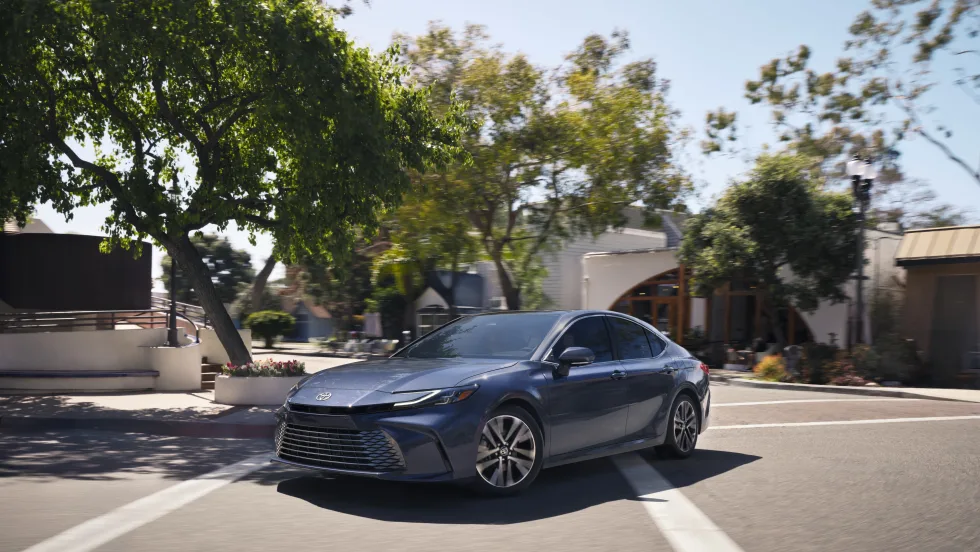
2027 Toyota Camry Offers Hybrid Powertrain Across Five Grades
The 2027 Toyota Camry is a carryover with new pricing.
Read More →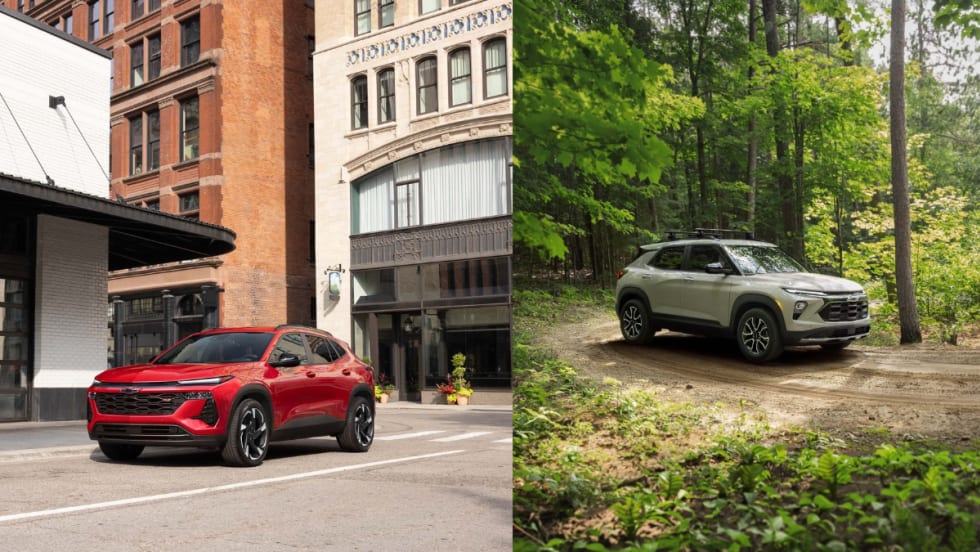
Chevrolet Updates 2027 Trax and Trailblazer with More Standard Safety Features
Chevrolet is updating two of its smallest SUVs with added driver-assistance technology, redesigned interiors, and revised trim options. The changes could add more safety equipment as standard for commercial fleets, while a new Trailblazer configuration adds another all-wheel-drive option.
Read More →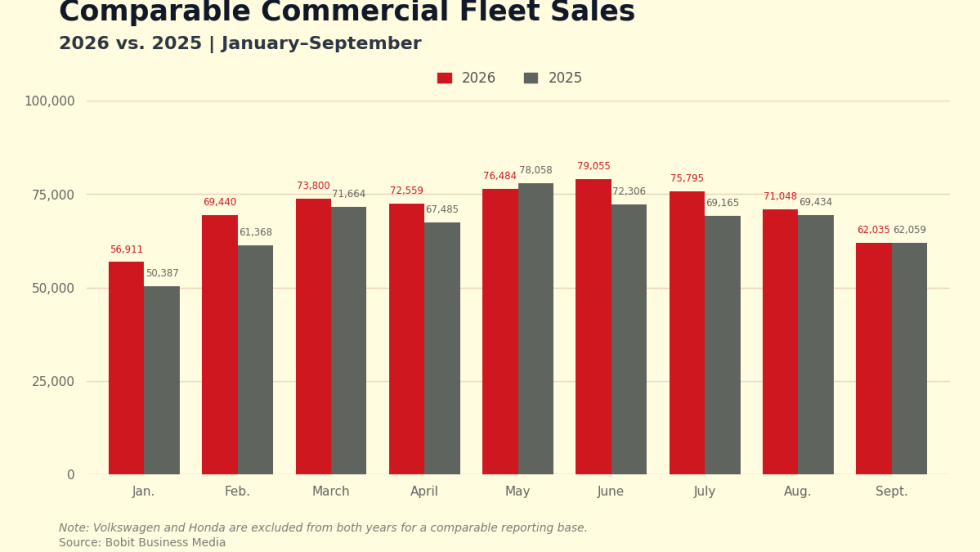
Commercial Fleet Sales Rise 5.8% Through September 2026
September commercial fleet sales were essentially unchanged from a year earlier, slowing year-to-date growth while keeping volume ahead of 2025.
Read More →
Hall of Fame Inductee: John Dmochowsky
The longtime Mondelēz International fleet executive joins the Automotive Fleet Hall of Fame.
Read More →
Hall of Fame Inductee: Lee Miller
After more than four decades at Boehringer Ingelheim, Lee Miller leaves a legacy built on fleet expertise.
Read More →
Hall of Fame Inductee: Mark F. Petersen
From managing fleets of thousands of vehicles to advancing safety and mentoring fellow professionals, Mark F. Petersen made his mark across both the corporate and supplier sides of fleet.
Read More →
When Charger Downtime Becomes a Fleet Availability Problem
As EV deployments move beyond pilot programs, charger reliability can directly affect vehicle readiness, driver productivity and route scheduling.
Read More →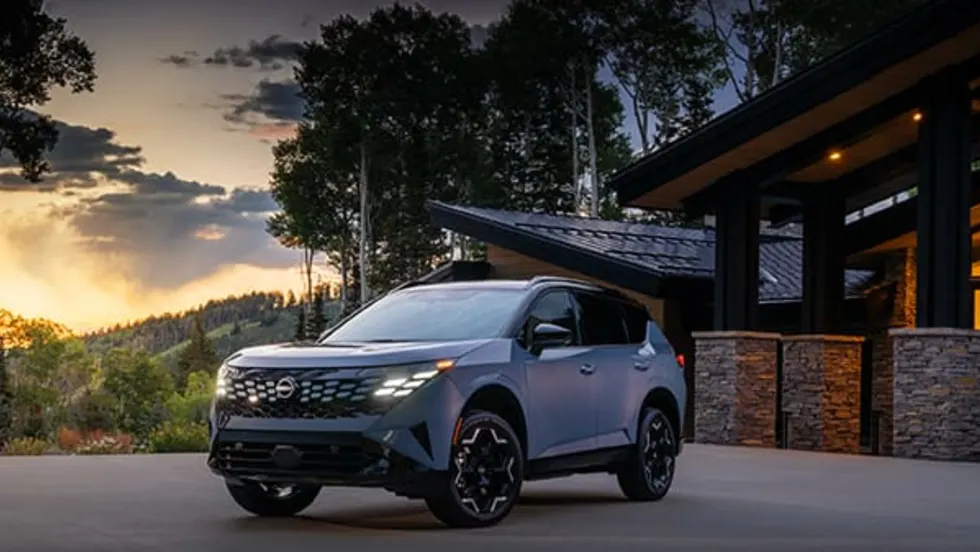
2027 Nissan Rogue Hybrid Adds e-POWER, Standard AWD
The new Rogue Hybrid uses Nissan’s e-POWER system with dual electric motors, offers an estimated 40 mpg and starts at $35,490.
Read More →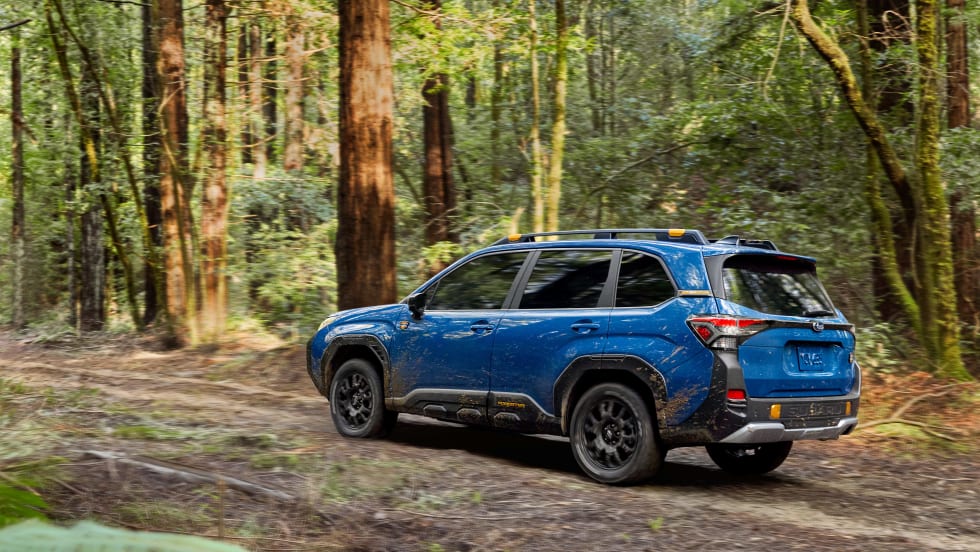
2027 Subaru Forester Adds First Wilderness Hybrid
The 2027 Forester lineup starts at $29,995 and adds a Wilderness Hybrid with 194 combined horsepower and 9.3 inches of ground clearance.
Read More →
EV Realty Names Henrik Holland President as Charging Platform Expands
The former Prologis Mobility and Shell executive will help expand EV Realty’s truck charging business and move its power-first infrastructure model into autonomous vehicle depots and other fleet sectors.
Read More →