




Chrysler's Piconke Retires, Capping a 42-Year Career
Len Piconke, Chrysler Motors' fleet general marketing manager, announced his retirement concluding a four decade career. For the past eight years, he directed all marketing, advertising, distribution, and special hid activity.
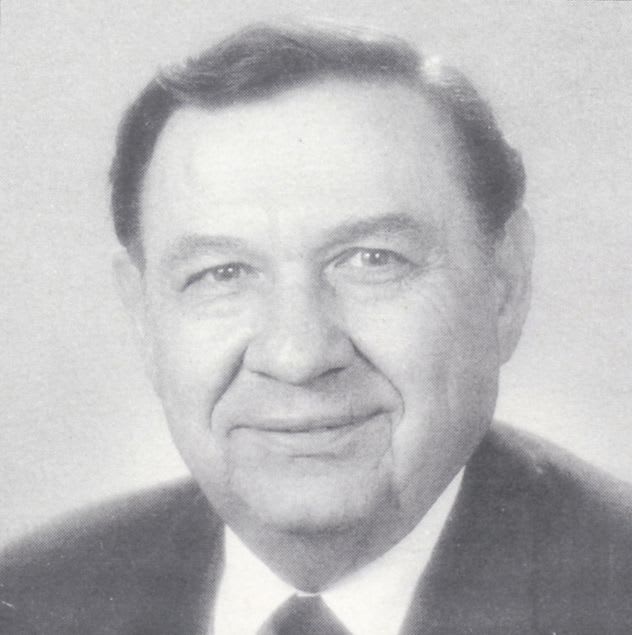
Last November, Chrysler Motors announced the retirement of Len Piconke as fleet general marketing manager. Piconke, who was with Chrysler Motors for 42 years, spent the last eight years of his career in the company's fleet operation. Assuming Piconke's position is Roy Houston, who was previously Chrysler's manager, national fleet sales.
In 1981, Piconke entered the fleet world as manager - fleet marketing and distribution. Ultimately, Piconke rose to fleet general marketing manager where he has directed all marketing plans, advertising, distribution, and special bid activity. His overall responsibility was to coordinate fleet program development.
Piconke began his career at Chrysler in 1947 as a machine operator and for the next six years operated a variety of tools such as automatic lathes, drill presses, and grinders.
In 1953, Piconke enrolled as a graduate student at the Chrysler Institute in Highland Park, MI, taking courses in metallurgy, chemistry, truck testing, and technical information. After graduating in 1955, Piconke joined Chrysler's technical information department as a copywriter preparing product comparisons, product preview reports, and product feature bulletins. Three years later, in 1958, he was named manager of Chrysler's competitive studies department. In this capacity, Piconke prepared product comparisons; gathered past, present, and future competitive information; analyzed future industry trends, and kept management appraised about the competition.
In 1962, he was promoted to manager, vehicle plans and studies developing, among other things, long-range plans and objectives for the various Chrysler car lines including foreign market offerings.
Piconke's next assignment was working as the manager of Chrysler's defense, space, & diversified products group. In this capacity, he provided product planning direction and coordination for non-automotive operations such as Airtemp, Marine Products, Amplex, and Defense-Spare.
A year later, Piconke was named manager of planning and administration for die Chrysler-Plymouth Division. There he initiated and coordinated development of division sales, marketing plans, and programs.
In 1970, Piconke was promoted to director, marketing services for the Automotive Sales Group. He remained in this position for a year until he was appointed director, marketing office where he directed all activities of market planning, volume planning, sales programming, distribution, sales analysis and planning, incentive program development, high performance vehicle planning, and consumer research.
In 1978, Piconke was promoted to director of truck sales operations directing the sales planning strategies for truck and represented the sales department in the forward truck development process. In addition, he directed activities of the RV Sales Group and high performance vehicle planning. A year later, in 1979, Piconke was named manager, marketing strategy & planning in the market plans department. There he developed special marketing strategies for the company's cars and trucks and programs to enhance the sale of optional equipment.
More Operations
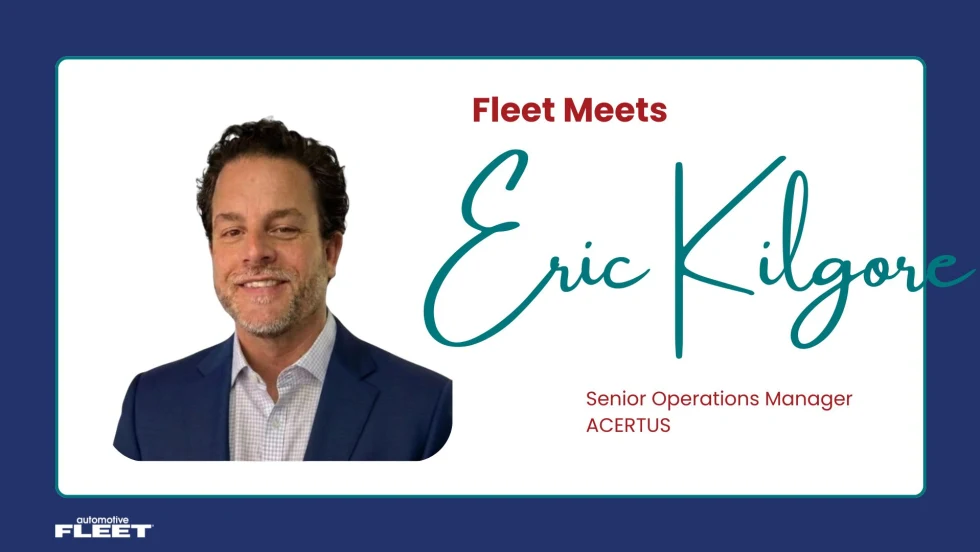
Fleet Meets: Eric Kilgore
This edition of the Fleet Meets series features one of the industry's best leaders driving multi-market and national operations.
Read More →
Why Reactive Fleet Management Is Becoming Too Expensive to Sustain
Research highlights a growing need for proactive management strategies to address rising costs in fleet operations effectively.
Read More →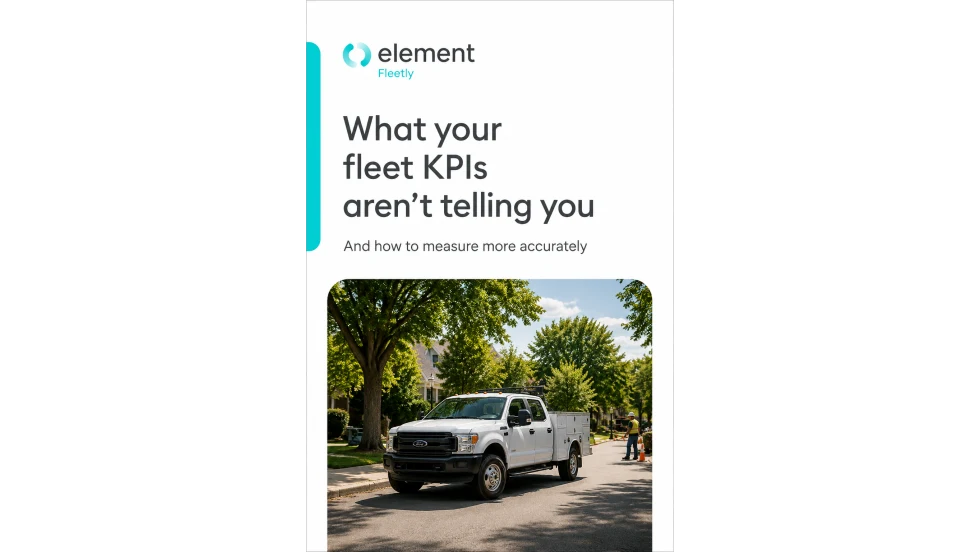
What Your Fleet KPIs Aren’t Telling You
Tracking fleet metrics is only useful when the data leads to better decisions. This guide helps fleet leaders assess cost, utilization, and downtime more accurately, identify performance gaps, and prioritize the actions that can improve operational results.
Read More →


Hidden in Plain Sight: Fleet Compliance Risks
Fleet compliance isn't just about having policies — it's about consistently enforcing them. This practical guide reveals six hidden compliance risks common in public sector and shared fleet operations and outlines proven strategies to improve visibility, accountability, and audit readiness
Read More →
Turning Fleet Payment Data into Executive Insights
Does data alone drive results in operations?
Read More →
Automotive Fleet Opens 2026 Personal Use Survey for Commercial Fleet Managers
Commercial and corporate fleet managers are invited to share how their organizations handle company vehicle personal-use policies, charges, and driver eligibility.
Read More →
Gary Van Orden Retires After Nearly Four Decades in Commercial Fleet
From answering customer calls at Ford Motor Company to leading fleet sales across multiple OEMs and a fleet management company, Gary Van Orden's career reflects nearly four decades of leadership in commercial fleet.
Read More →
How Stellantis Plans to Get Ahead of Fleet Downtime
Vehicle acquisition may grab the headlines, but fleet uptime increasingly determines operating success. Darren Bradshaw of Mopar North America gives the details.
Read More →
Hyundai Releases 2027 Commercial Program Incentives
The 2027 Model Year "Fleet Street Incentives" are available to commercial and government fleets.
Read More →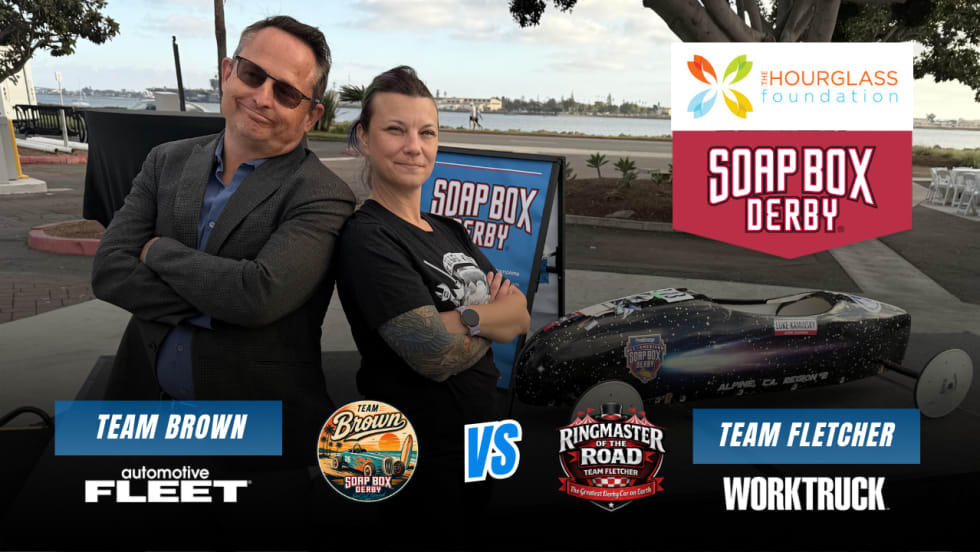
It's All Downhill from Here! Fleet Industry Raises $22,000 for Skilled Trades Scholarships
Work Truck’s Lauren Fletcher and Automotive Fleet’s Chris Brown turned a friendly racing rivalry into $22,000 for automotive technology and skilled trades scholarships.
Read More →