




Certified Fleet Manager Course Graduates 10
The Wharton/NAFA Foundation celebrates its first class of CFMs
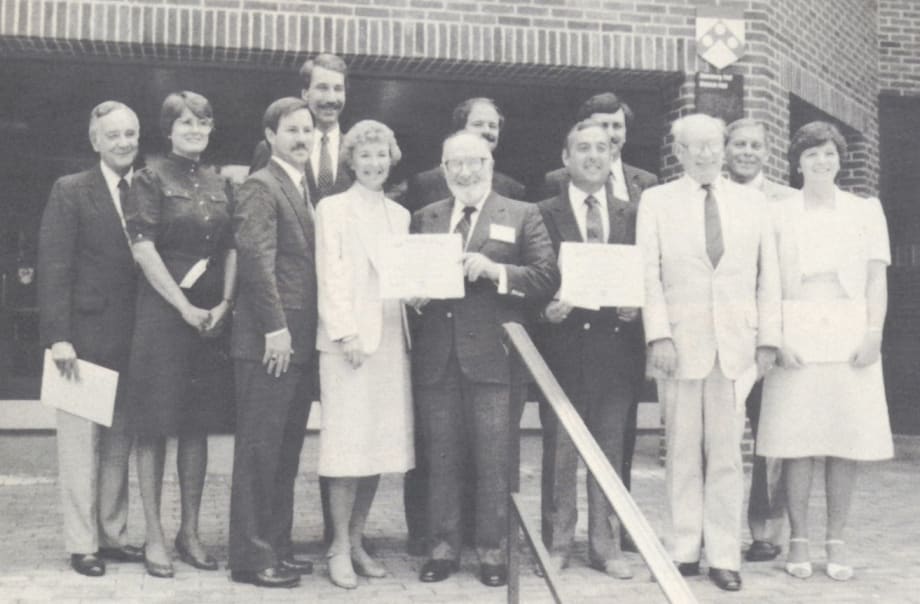
(left to right, back row) Gregory, Anderson, Glessner, Chase, Lighthall, Berard. (front, l-r): Palubiak, MacMillan, Landau, Giacchi, Don McCallum (president, CAN-NAFA Foundation), Tinker
(left to right, back row) Gregory, Anderson, Glessner, Chase, Lighthall, Berard. (front, l-r): Palubiak, MacMillan, Landau, Giacchi, Don McCallum (president, CAN-NAFA Foundation), Tinker
The first 10 graduates of Wharton's 8-course Certified Fleet Manager program received their CFM designations at a graduation luncheon at the University of Pennsylvania. Certificates of completion were presented by the program's director, Dr. John Elred, and Les Landau, president of the NAFA Foundation.
A joint program of the NAFA Foundation, Inc. and the Wharton School, the CFM course provides advanced, intensive instruction in subjects including fleet-related accounting, finance, and law, and vehicle marketing, disposal, and engineering.
"The graduation of the first class of Certified Fleet Managers is significant to NAFA and the NAFA Foundation," said David Lefever, NAFA's (then) associate executive director, in opening remarks.
"But it is even more important to the fleet management profession. The CFM designation will help fleet managers achieve well-deserved recognition from upper management."
The program's first graduates were Marybeth Anderson of Northwestern National Insurance Co., Ulric Berard, Automobile Club of Michigan, Geoffrey Chase, Fleet Service Co., Salvatore Giacchi, Lorillard Co., David Glessner, Gelco Municipal Services, Walter Gregory, Southern Connecticut Gas Co., David Lighthall, MCC Powers, Jacqueline MacMillan, Monsanto, Craig Palubiak, Enterprise Fleets, and Dorothy Tinker, Quaker State Oil Co.
More Operations
Hidden in Plain Sight: Fleet Compliance Risks
Fleet compliance isn't just about having policies — it's about consistently enforcing them. This practical guide reveals six hidden compliance risks common in public sector and shared fleet operations and outlines proven strategies to improve visibility, accountability, and audit readiness
Read More →
Turning Fleet Payment Data into Executive Insights
Does data alone drive results in operations?
Read More →
Automotive Fleet Opens 2026 Personal Use Survey for Commercial Fleet Managers
Commercial and corporate fleet managers are invited to share how their organizations handle company vehicle personal-use policies, charges, and driver eligibility.
Read More →
Gary Van Orden Retires After Nearly Four Decades in Commercial Fleet
From answering customer calls at Ford Motor Company to leading fleet sales across multiple OEMs and a fleet management company, Gary Van Orden's career reflects nearly four decades of leadership in commercial fleet.
Read More →
How Stellantis Plans to Get Ahead of Fleet Downtime
Vehicle acquisition may grab the headlines, but fleet uptime increasingly determines operating success. Darren Bradshaw of Mopar North America gives the details.
Read More →
Hyundai Releases 2027 Commercial Program Incentives
The 2027 Model Year "Fleet Street Incentives" are available to commercial and government fleets.
Read More →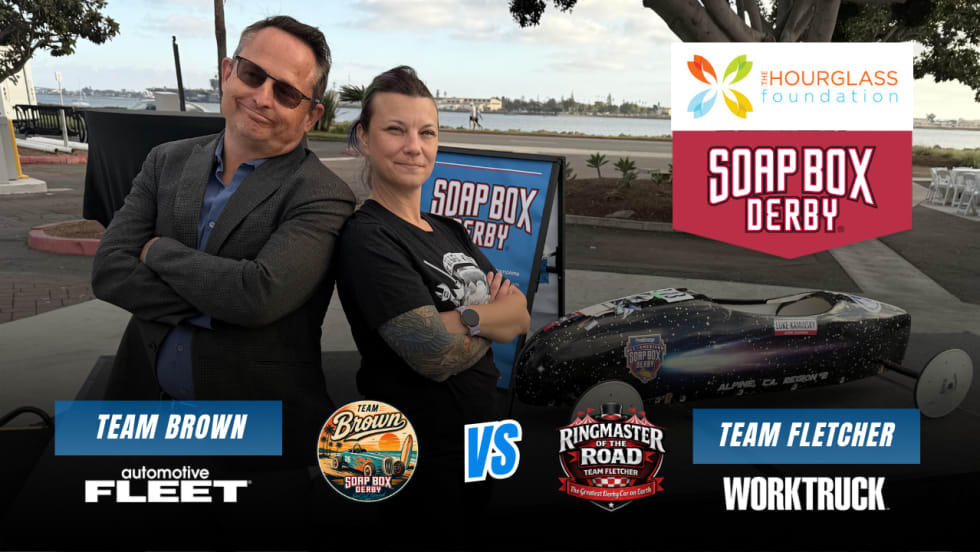
It's All Downhill from Here! Fleet Industry Raises $22,000 for Skilled Trades Scholarships
Work Truck’s Lauren Fletcher and Automotive Fleet’s Chris Brown turned a friendly racing rivalry into $22,000 for automotive technology and skilled trades scholarships.
Read More →
The Top 300 Commercial Fleets
The Top 300 Commercial Fleets: See the List
Read More →

Your Local Dealer Knows More Than You Think
Your local dealer can provide an information advantage that extends well beyond courtesy deliveries.
Read More →