




Car Rental Q&A: How Can I Make Sure That I'm Taking Full Advantage of My GPS Tracking System?
With a lot of information about GPS tracking systems, the reader wants to make sure that he's being efficient when implementing policies for his staff.
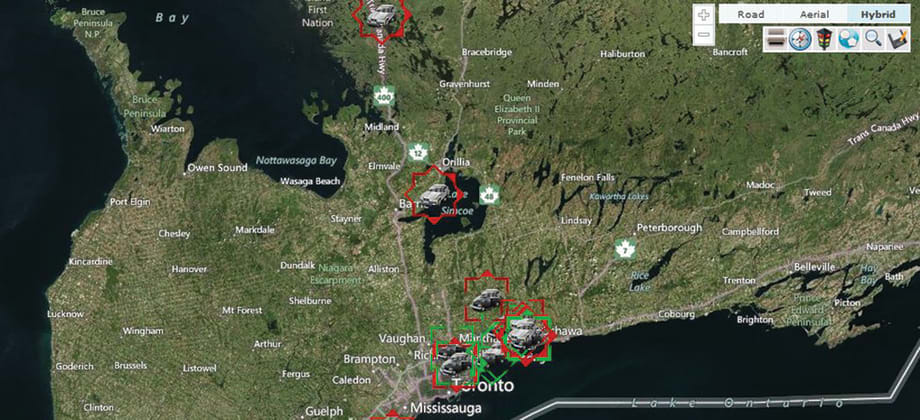
Q: How can I make sure that I'm taking full advantage of my GPS tracking system? The information is vast, and I want to make sure I am being efficient when implementing policies for my staff.
— Mel Morris — Rent-A-Wreck, Canton, Mich.
A: I hear this question asked over and over. When working with clients, I try and get them to understand how to use the information in a proactive way instead of a reactive way. For some clients, their first thought is to implement a tracking solution only if a vehicle goes missing or is overdue.
Often, I hear “I don’t need to see reports or have it tell me where it is at night; I just want to be able to get a real-time position when it goes missing.”
After spending less than 30 minutes with clients to show them the value and power of a GPS solution, they then start to realize how they can use it proactively.
Here are some steps I suggest that clients follow to ensure they are maximizing the information, effectively and efficiently:
1. View the last known location report EVERY morning. This report provides location information about your entire fleet. You can quickly see how many vehicles are on your lot(s), how many vehicles are out of state and how many vehicles are at dealerships, body shops, impound lots or long-term airport parking lots.
This report should take less than 10 minutes to view and will help determine if further follow-up is required on any vehicles.
2. Provide this report — and access to the system — to the employee who manages your due-backs or overdue vehicles. The system will provide information regarding whether the vehicle may or may not be coming back on time. For example, the report will show where the vehicle was in the middle of the night.
If the vehicle is reported in Texas but due back in New Jersey that day at 10 a.m., the vehicle is most likely not going to make it back for its scheduled check-in time. To see if the vehicle is on its way back, you can complete a real-time locate. In addition, you can check the contract to determine if you were aware the vehicle would be traveling into other areas of the country.
All of this information will help ensure you have a good understanding of your vehicle’s location in an effort to get the vehicle into the hands of a paying renter, or make sure that additional day(s) rental charges are being applied if the renter is not going to make it back on time. It’s important to your operation to make adjustments to available vehicles and add charges if vehicles don’t arrive on time.
[PAGEBREAK]
3. Change policies and procedures to make sure the GPS information is used effectively. Often when implementing a new system, we forget to change some previous procedures. For example, with a GPS tracking solution, you no longer need to make phone calls and wait for clients to respond with their whereabouts. Instead, you can look online to see their location and determine the next steps.
4. Check the report to ensure all vehicles are reporting as programmed. A non-reporting vehicle can help determine if there is an issue with the renter or a problem with the device.
Implementing a GPS tracking solution shouldn’t add more work to your day. A 10-minute scan of a report will help you focus on any vehicle that could become an issue — enabling you to make a decision before the issue escalates. Those 10 minutes can save you and your staff potential hours of searching for vehicles, while increasing revenue and reducing operational costs.
Using a GPS tracking solution but not utilizing its full potential will end up costing you money. Start maximizing your return on investment and increase your rental revenue today.
What's Your Question?
Email your car rental operation-related questions to Auto Rental News by emailing chris.brown@bobit.com
Experts at Spireon are happy to answer your GPS-tracking related questions. Feel free to contact Anne Taylor at ataylor@spireon.com.
Originally posted on Auto Rental News
More Global Fleet
Holman Takes Full Ownership of ARIZA in Mexico
Holman is bringing its Mexican fleet management operation fully under its own brand after more than 30 years as a joint venture. The change gives multinational fleet customers a single Holman operation across the U.S., Canada, and Mexico.
Read More →
Proven Ways to Reduce Work Truck Downtime
The age-old problem of downtime will always be a reality, but with new strategies at hand, fleets have more ways to keep trucks on the road longer.
Read More →
The Top 300 Commercial Fleets
The Top 300 Commercial Fleets: See the List
Read More →

Cameras, Safety and Insurance: From Reactive Claims to Real-Time Prevention (Part 2 of 2)
Part Two: Commercial auto remains one of the most challenging and costly lines of coverage for fleet operators and insurers alike. Continue learning more about how to effectively address these issues from Onur Aksan, Enterprise Business Development Executive, Geotab
Read More →
Cameras, Safety and Insurance: From Reactive Claims to Real-time Prevention
Commercial auto remains one of the most challenging and costly lines of coverage for fleet operators and insurers alike. Learn more about how to effectively address these issues from Onur Aksan, Enterprise Business Development Executive, Geotab.
Read More →
Fleet Costs Are Rising: Here’s How Leaders Are Responding
Fleet leaders are under pressure to reduce costs, adapt to economic uncertainty, and make smarter decisions. See how peers across North America are responding with real data, proven strategies, and forward-looking insights. Download the 2026 Market Pulse Report to benchmark your strategy and uncover where you can gain an edge.
Read More →
Enterprise Fleet Management Surpasses 900,000 Vehicles in U.S. & Canada
Enterprise Mobility connects with mobility solutions around the globe
Read More →
Automotive Fleet's Guide to Fleet Electrification
Unlock the secrets to a successful transition to electric fleets with Automotive Fleet's comprehensive Fleet Electrification Guide!
Read More →
Sumitomo Rubber Industries to Acquire Viaduct
Viaduct will join Sumitomo as an independent subsidiary. Partnership strengthens global reach and accelerates AI-driven innovation for fleets and manufacturing.
Read More →