




Related: ATA Says Truck Driver Shortage Threatens Supply Chain
Can Millennials Solve the Truck Driver Shortage?
How can the right fleet tools attract younger drivers and help you solve the driver shortage for good?
by Ted Lee
November 25, 2019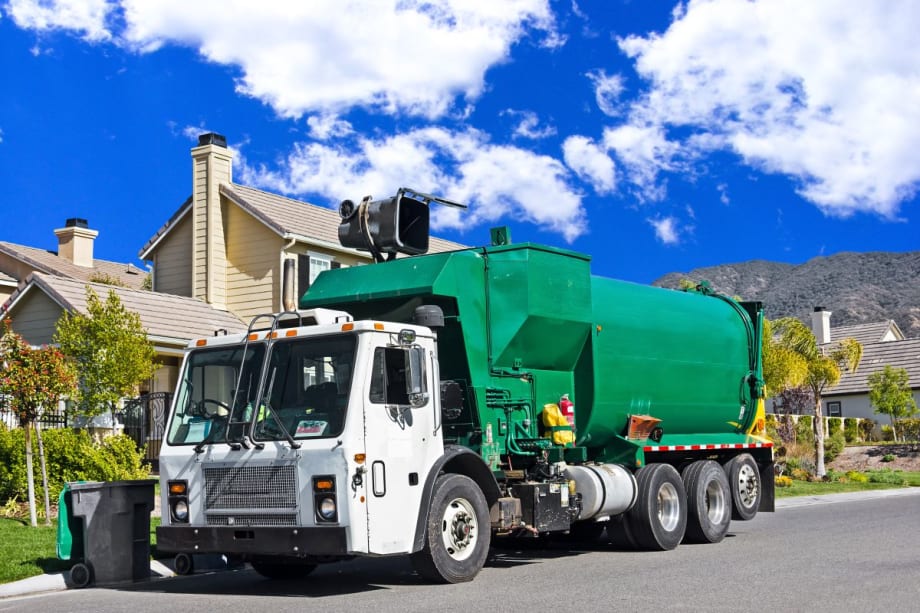
Although the shortage could initially have the greatest impact on the long-haul segment, short-haul municipal and independent fleets will not be immune.
Photo: Magellan GPS
4 min to read
The times are a changing.
Baby Boomer truck drivers are retiring in droves, with up to 25% of today’s drivers cashing in their routes over the next five years. The average age of a trucker is 49 years and more than half of the truck industry workforce is over the age of 45. Worse still, the American Trucking Associations (ATA) predicts a truck driver shortage could reach as high as 175,000 by the year 2024.
According to Bob Costello, chief economist for the ATA, it’s not just the lack of drivers, it’s also a “lack of qualified” drivers, which makes a bad situation much worse.
Although the shortage could initially have the greatest impact on the long-haul segment, short-haul municipal and independent fleets will not be immune.
To retain current drivers and attract new ones, long-haul carriers may be forced to increase pay and offer better benefits. And if they do, short-haul fleets could find themselves competing for the same shrinking pool of drivers but at a pay scale disadvantage.
So, where is the next generation of truck drivers?
Make Way for Millennials
Millennials, the generation born between 1981 and 1996, now make up the largest demographic in the U.S. labor force, according to Pew Research. By 2020, it’s estimated that 86 million millennials will be in the workplace, representing 40% of the total number of workers; by 2025, millennials could make up roughly 75% of workers in the U.S.
In an industry facing a shortage of workers, it is mission critical that you attract and recruit the best available talent. And that means recruiting millennials. But before you cast your line out there, it helps to understand what might lure a typical millennial to your business.
Several studies have reached the same general conclusions about hiring millennials. Chief among their job expectation is the opportunity to work from anywhere, even if only part-time.
Working remotely is a good fit for businesses where employees do heads-down work over a computer.
That’s not how a fleet business operates, as we know. Your employees won’t be able to drive a snow plow from the comfort of their own living room. Your drivers physically have to be on the road—in all kinds of weather, at any hour.
Attracting Millennials
Granted, millennials won’t be able to work from home or devise their own schedule. But they could consider working as a fleet truck driver for at least two compelling reasons.
First, millennials prefer to work for a purpose-filled company, one that gives back to the community and makes a difference. Whether you’re in the waste management removal or snow and ice removal end of the industry, you are delivering a useful public service. Your efforts save time, money and lives.
Second, millennials prefer to put their knowledge of and comfort with technology to good use. This is, after all, the “Connected” generation, a group of children that came of age with Wi-Fi, the Internet, GPS, laptops, and smartphones. According to Gallup, 91% of millennials own a smartphone, and 71% of millennials rely on the Internet as their main source for information.
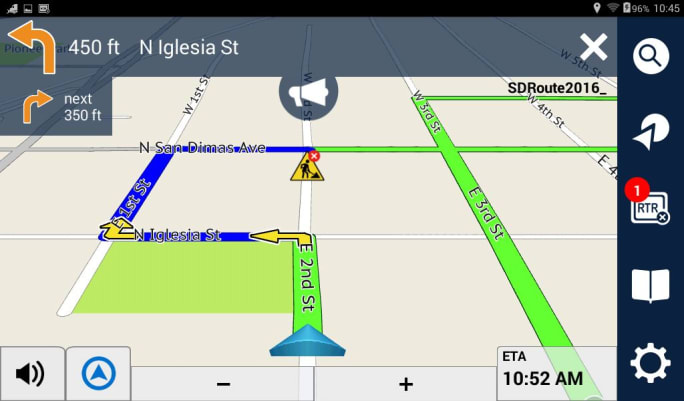
The next generation of drivers expects to be digitally connected to streets and routes. For them, using the latest technology is an assumption, not a gimmick.
Photo: Magellan GPS
Meet Your New Driver
Yesterday’s truck driver relied on old school tactics, from scraps of paper to paper maps to personal knowledge of streets and routes. The next generation of drivers expects to be digitally connected to streets and routes. For them, using the latest technology is an assumption, not a gimmick.
So, as an employer looking to attract the next generation of truck drivers, what can you do?
Make sure your business is technologically appropriate for the times. At a minimum, you’ll want to replace your paper maps with digitized routes.
Ensure your back office and drivers are connected in real-time through a backend portal (for the manager) and a dashboard mounted GPS-device (for the driver).
Use software that visually represents turn-by-turn directions, clearly identifies unexpected street obstacles and road hazards, as well as best detours, and enables OTA communication.
Use technology to ensure greater safety for your drivers and faster training.
All of these digital connections, of course, should be backed up with a powerful GPS capability that works even in urban canyons. Millennials want to be connected at all times.
My point is, expectations are changing. Digital is not just in, it’s deeply embedded. If you want to attract younger drivers and set up your company or organization for the “long-haul,” make sure you empower your drivers and dispatchers with a proven route planning, management, execution and service verification solution.
This is not your father’s fleet industry.
About the Author: Ted Lee is the Head of Business Development and Innovation for Magellan GPS, a provider of innovative GPS navigation devices since 1986, offering products in multiple categories including auto, RV, outdoor, mobile, fleet, and auto OEM. He can be reached at tlee@magellangps.com.
Topics:GPS Fleet TrackingMillennialsFleet ManagementMagellanTruck DriversDriver ShortageGlobal Fleet
Originally posted on Work Truck Online
Subscribe to Our Newsletter
More Global Fleet
GeoFencing Adds to Your Truck Security Arsenal
Geofencing is a familiar fleet tool today, but its early adoption marked a major shift in vehicle tracking, route monitoring, and the debate over employee privacy.
Read More →
Holman Takes Full Ownership of ARIZA in Mexico
Holman is bringing its Mexican fleet management operation fully under its own brand after more than 30 years as a joint venture. The change gives multinational fleet customers a single Holman operation across the U.S., Canada, and Mexico.
Read More →
5 Tire Maintenance Tips to Help Prevent Work Truck Downtime
Regular tire checks can do more than extend tread life. These five maintenance practices can help work truck fleets catch problems early, reduce costs, and prevent downtime.
Read More →

Proven Ways to Reduce Work Truck Downtime
The age-old problem of downtime will always be a reality, but with new strategies at hand, fleets have more ways to keep trucks on the road longer.
Read More →


Cameras, Safety and Insurance: From Reactive Claims to Real-Time Prevention (Part 2 of 2)
Part Two: Commercial auto remains one of the most challenging and costly lines of coverage for fleet operators and insurers alike. Continue learning more about how to effectively address these issues from Onur Aksan, Enterprise Business Development Executive, Geotab
Read More →
Cameras, Safety and Insurance: From Reactive Claims to Real-time Prevention
Commercial auto remains one of the most challenging and costly lines of coverage for fleet operators and insurers alike. Learn more about how to effectively address these issues from Onur Aksan, Enterprise Business Development Executive, Geotab.
Read More →
Fleet Costs Are Rising: Here’s How Leaders Are Responding
Fleet leaders are under pressure to reduce costs, adapt to economic uncertainty, and make smarter decisions. See how peers across North America are responding with real data, proven strategies, and forward-looking insights. Download the 2026 Market Pulse Report to benchmark your strategy and uncover where you can gain an edge.
Read More →
Enterprise Fleet Management Surpasses 900,000 Vehicles in U.S. & Canada
Enterprise Mobility connects with mobility solutions around the globe
Read More →