




Applying Commercial Fleet Best Practices to Two-Wheeled Mobility
Owning and running a successful auto parts delivery business for nine years, Jeb Lopez knows logistics. He’s now bringing his commercial fleet experience to Usain Bolt’s scooter startup — and reinventing the rules for managing last-mile mobility fleets.

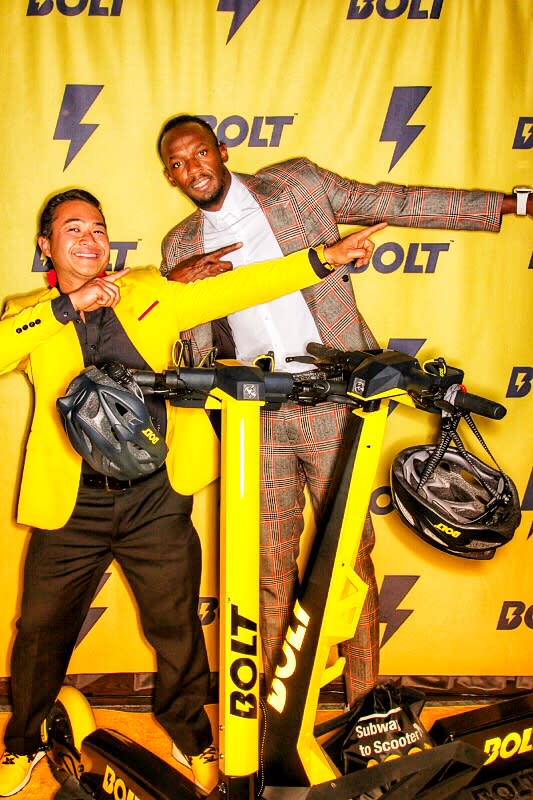
Jeb Lopez (left), owner and founder of an auto parts delivery service, was tapped to bring his fleet management expertise to Bolt Mobility’s e-scooter service, fronted and funded by track star Usain Bolt.
[EMPTY CREDIT]
Jeb Lopez had enough on his hands already: his auto parts delivery service serving the D.C. metro area, Wheelz Up, had grown since its inception in 2010 to over 200 cargo vans. In the process, Lopez learned the intricacies of logistics, dispatching, and project management, as well as driver hiring, training, and managing best practices.
Investors took notice: Would he bring his expertise from the world of four wheels to two?
Bolt Mobility, an electronic scooter startup fronted and funded by “the fastest man in the world,” Usain Bolt, needed a way to take share from the major players within the exploding arena of e-scooters. One way to beat them was with more efficient fleet management.
As a result, Lopez started Boltz Up in November to manage the Bolt Mobility e-scooter fleet. “We learned so many things in the last nine years with Wheelz Up, we just transferred the knowledge over to scooters,” he says.
Scooters need to be deployed, charged, serviced, and “rebalanced” — taken from trip endpoints and brought back into areas of high demand. Prevailing wisdom held that independent contractors, paid per pickup, were the most efficient and cost-effective method to get scooters where they needed to go. Lopez discovered this isn’t necessarily the case.
“We managed to fix the issues with 1099 contractors,” Lopez says. “We brought those jobs in house.”
The problem with independent contractors, Lopez says, is that they must be motivated by the per-unit pay, which doesn’t always result in efficient rebalancing. “They work when it’s convenient for them,” he says.
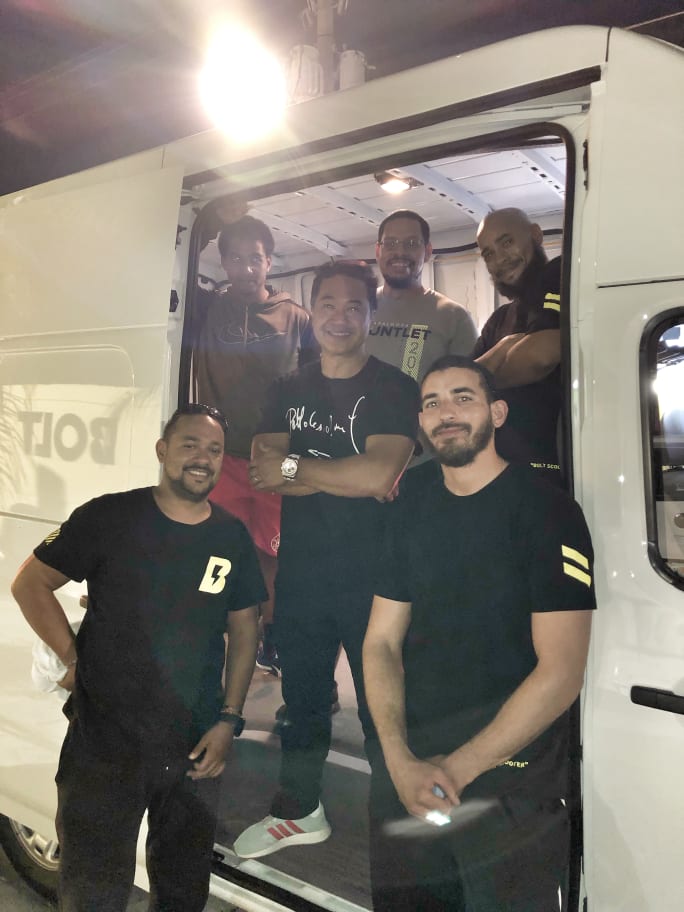
On-the-clock employees, however, can rebalance scooters more quickly. Boltz Up drivers (called Boosters) use company-owned vans that can carry 50 to 60 scooters, as opposed to a contractor’s small pickup that can fit 20 or a sedan that can fit even less.
Lopez is also concerned with the legalities surrounding classification of independent contractors — with employees he won’t face any thorny issues down the road.
“We did it so well that other scooter companies started following suit and hiring W-2s,” he says, though he adds that his contract with Bolt prevents him from working with competitors.
Exploiting Advantages
Lopez still owns and manages Wheelz Up. Though the companies are kept distinct, he has transferred many learnings to the new company.
Lopez brought the Nissan NV cargo van, owned outright and used exclusively in Wheelz Up, into his new fleet. Bolt’s competitors will rent vans during peak demand, but waste time having to pick up and return them to the rental agency.
[EMPTY CREDIT]
The new Boltz Up vans are also installed with the same telematics system. Lopez can track his drivers and route his vans more efficiently through telematics, a technological tool that’s harder to implement in a non-company-owned fleet. “And we have the data (from telematics) now,” he says. “You can’t do that with a 1099.”
Wheelz Up operates only in metro D.C., yet Bolt Mobility’s growing footprint — the scooter service is now available in 12 U.S. and international cities, with a target of 70 in the next two years — has taken Lopez into new fleet challenges.
The Nissan NV vans run 24 hours and accumulate mileage quickly as they service some 200 to 1,000 scooters in a city. Within two months the vans need oil changes and tire rotations.
For Wheelz Up, operating exclusively in metro D.C., Lopez maintains a warehouse with in-house mechanics to service the vans. For Boltz Up, he must rely on third-party shops or franchised Nissan dealers.
There are even greater challenges in managing a dispersed 24-hour scooter fleet that serves consumers. “You're in cities where there's a love-hate relationship with those scooters,” he says. “Some people hate them. they burn them, they steal them, they hack them.”
As Bolt Mobility grows, Lopez is confident he can take his fleet management expertise — Fleet Management as a Service — into those new markets.
“From what we've learned through Wheelz Up, we were able to take that sense of urgency and the speed to implement into (the new company),” he says. “Once we get the permit (in a new city), we’re able to launch almost immediately.”
More Fleet Forward
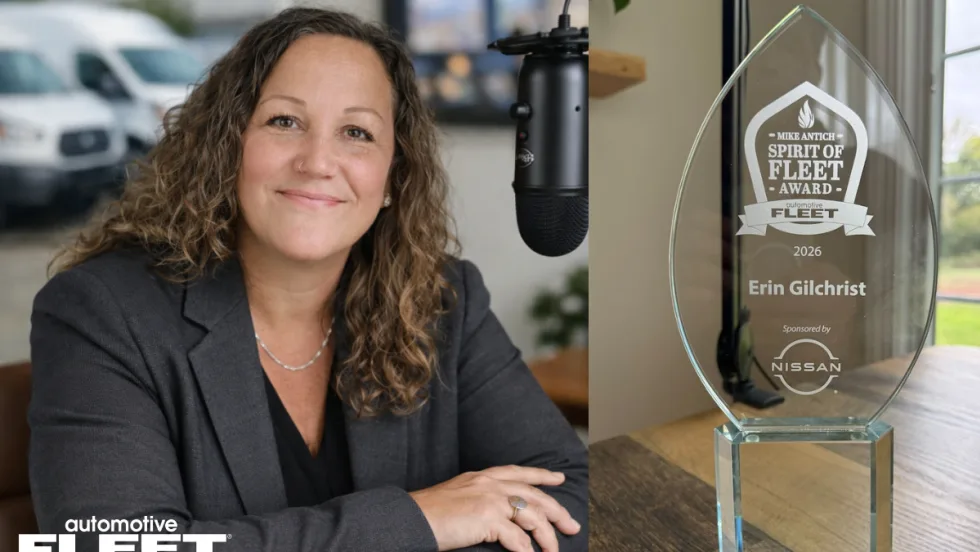
Erin Gilchrist Receives Mike Antich Spirit of Fleet Award
Last week at AFLA in Vegas, Erin Gilchrist received the inaugural, brand-new Spirit of Fleet Award.
Read More →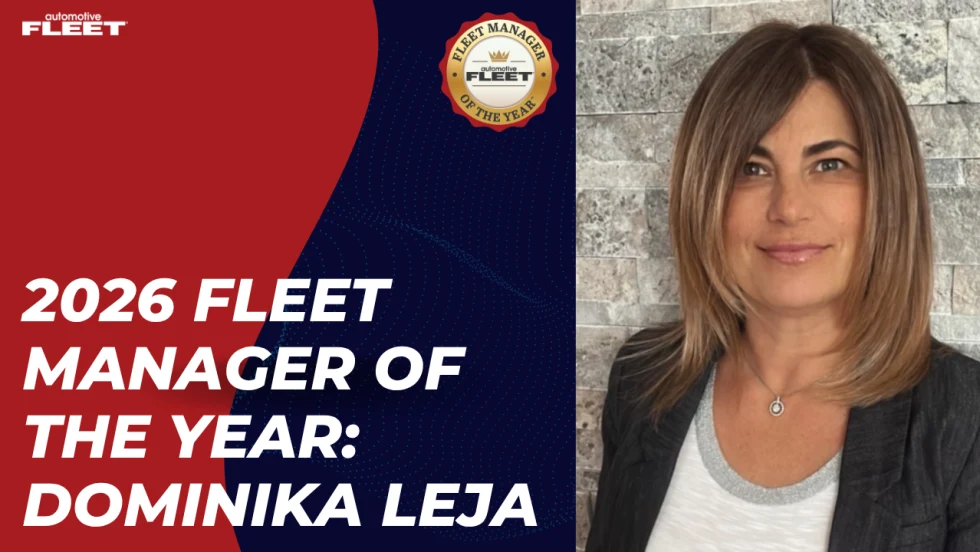
Dominika Leja Named the 2026 Fleet Manager of the Year
The AstraZeneca associate director of fleet was recognized for her leadership in fleet electrification, cost savings, and operational transformation.
Read More →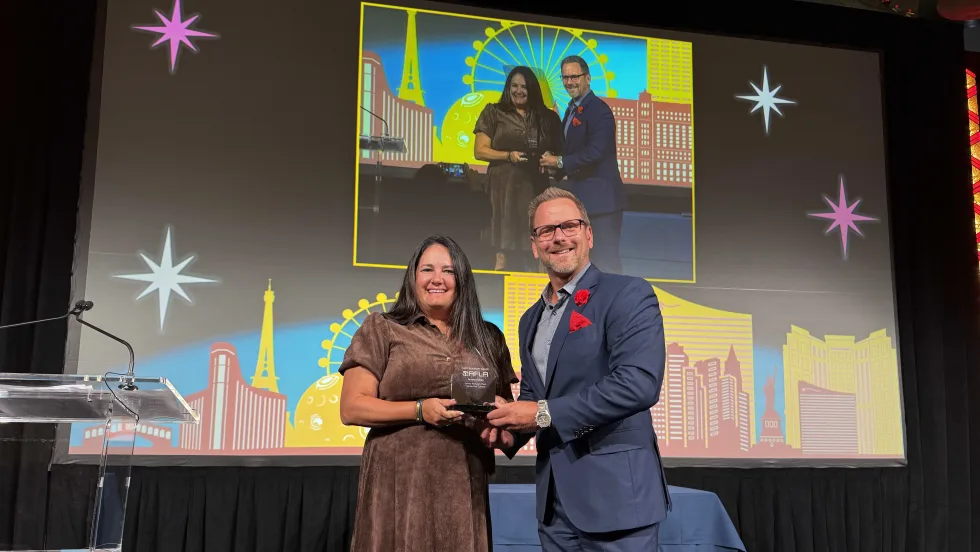
Jamie McKay Named the 2026 Fleet Visionary Award Winner
The Aptive Pest Control fleet manager was recognized for her approach to operations, data, lifecycle management, and driver needs.
Read More →
Fleet Forward Conference Introduces One-Day Passes for 2026
New one-day registration gives fleet professionals the flexibility to attend Tuesday, Wednesday, or Thursday, with passes available for $199 through Sept. 18.
Read More →
Vibe Coding: When Fleet Managers Become Software Builders
Five fleet professionals — none with programming skills — discuss how they’re using AI to build fleet solutions in-house and in a fraction of the time.
Read More →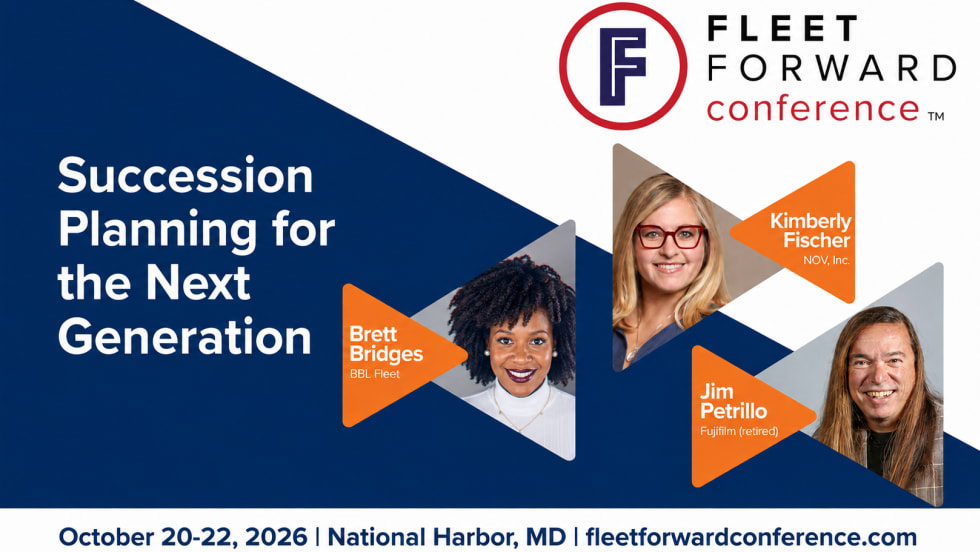
Fleet Forward Conference Tackles Fleet Industry’s Growing Leadership Gap
This session will examine succession planning, knowledge transfer, and the skills the next generation of fleet leaders will need as veteran professionals leave the industry.
Read More →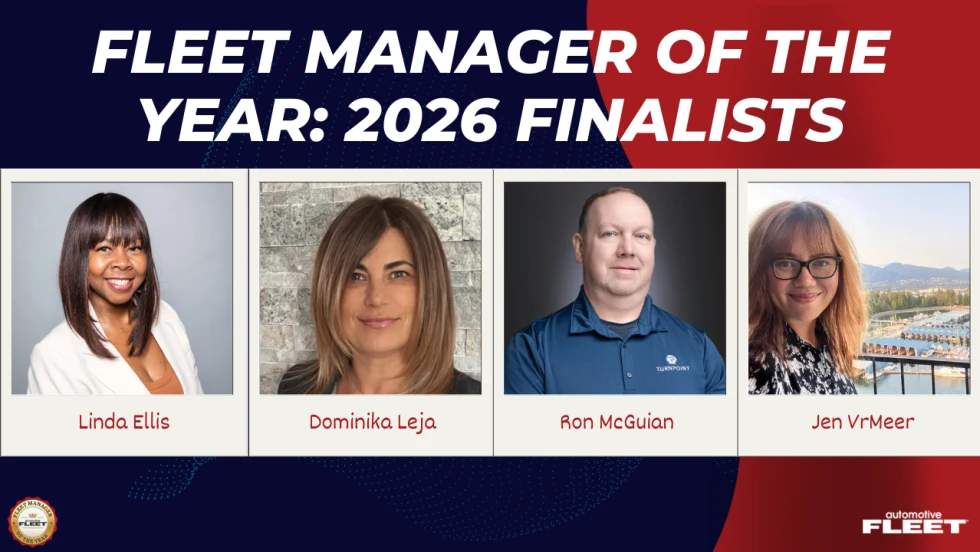
2026 Fleet Manager of the Year Finalists Announced
Who are the 2026 Fleet Manager of the Year finalists?
Read More →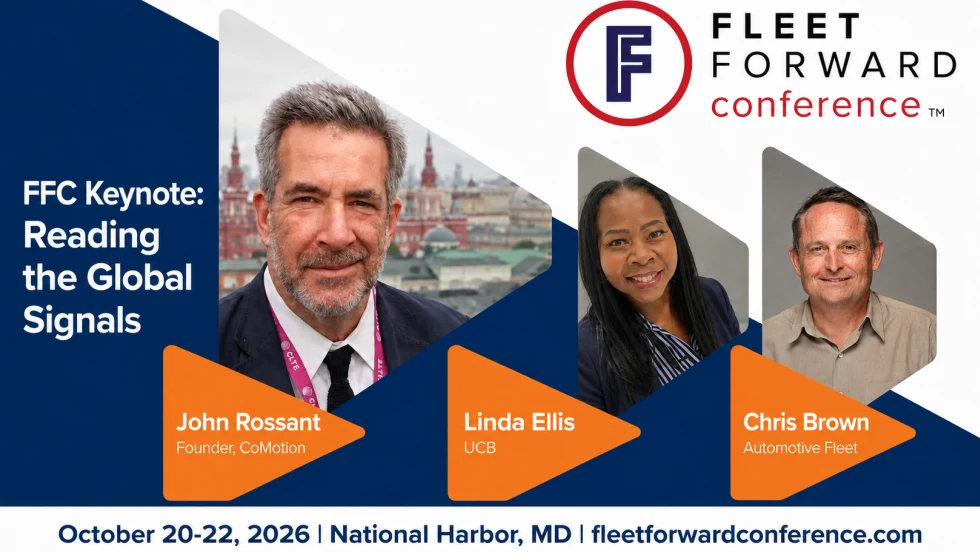
John Rossant to Deliver Opening Keynote at 2026 Fleet Forward Conference
The CoMotion founder will draw on developments across Europe, China, the Middle East, and other international markets to identify trends that could influence how U.S. fleets plan for the coming decade.
Read More →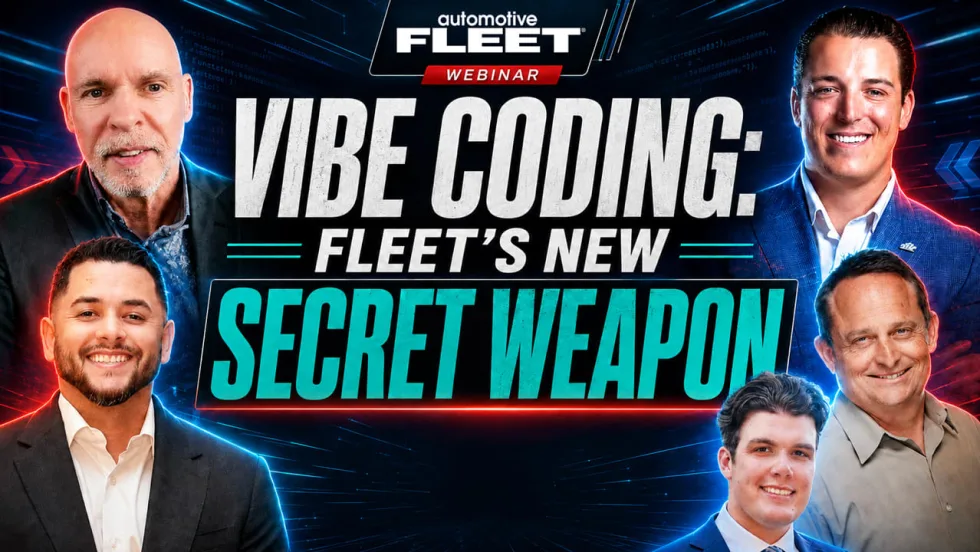
How to Build Custom Fleet Tools With AI and Vibe Coding [Webinar]
A new Automotive Fleet webinar explores how fleet managers are using AI and vibe coding to automate routine work and create simple operational tools without traditional programming skills.
Read More →