




8 Steps for a Successful Fleet Tracking Rollout
As telematics usage becomes the norm for the majority of fleets, there are steps companies should take to successfully integrate the technology without missteps, employee pushback, or loss of service.
Photo courtesy of iStockPhoto.com.
Photo courtesy of iStockPhoto.com.
As telematics usage becomes the norm for the majority of fleets, there are certain steps companies should take in order to successfully integrate the technology without any missteps, employee pushback, or loss of service. The following steps will help make your transition as smooth as possible
1. Plan Accordingly
Investing in a telematics system can be expensive and does need some time investment in first learning the system and in implementation. Define your goals, set expectations, and research how the software will help you. Don’t invest until you plan out a time and financial budget to make it happen.
2. Know What Kind of Information You Want to Track
Telematics can provide virtually endless data, which can be a drawback if you don’t know what information you want. It’s important to know your goals, whether it’s fuel savings or safety, so you don’t purchase a telematics system giving you reports you won’t use.
3. Research Third-Party Vendors
Compare systems. Check out which program matches your company’s needs and is the most cost-effective for your budget. Trying to rework your fleet to fit the telematics system you purchased is much harder than finding a system that most closely fits your needs.
4. Educate Your Team
Educating and training employees will help garner support and prevent potential issues. A top-down training method, beginning with your management, is a surefire way to ensure employee confidence.
5. Test Your System
Pilot testing your system is a great way to make sure both that it’s working within your fleet and that your employees are learning how to properly use the software. Before you rollout completely, do a pilot test to make sure everything runs smoothly.
6. Employee Buy-In
Often, employees can feel uneasy about telematics, when in actuality the systems are designed to help them and to make the roads safer by making them more diligent drivers. Basic education and approaching this culture change with transparency will result in more buy-in.
7. Strategic Location Rollout
If your company is in several locations, consider implementing the telematics technology location-by-location rather than having one or two vehicles at each facility. That way, you’ll have every vehicle in the vicinity properly equipped and you’ll be able to gauge your data against those locations without the system.
8. Look for Ways to Improve
Once your rollout is complete, don’t get complacent. Be on the lookout for ways to make your system and your practices better and continue to take advantage of all the features, one piece at a time. Encouraging staff feedback is a good option as well.
More Telematics
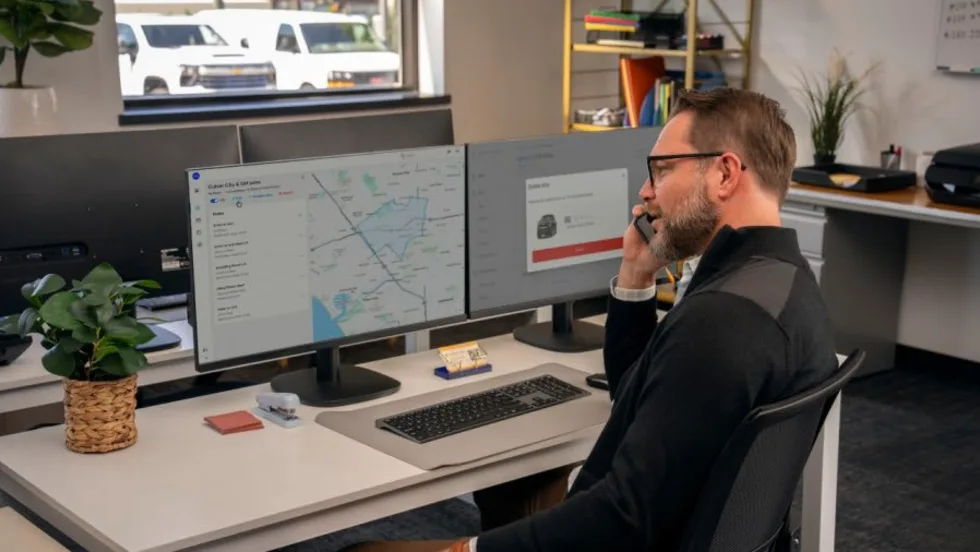
GM Launches OnStar Fleet Intelligence Platform With AI Assistant
The new platform brings vehicle data, order tracking, connected services and fleet analytics into one system, with an AI assistant that can answer fleet questions using natural-language prompts.
Read More →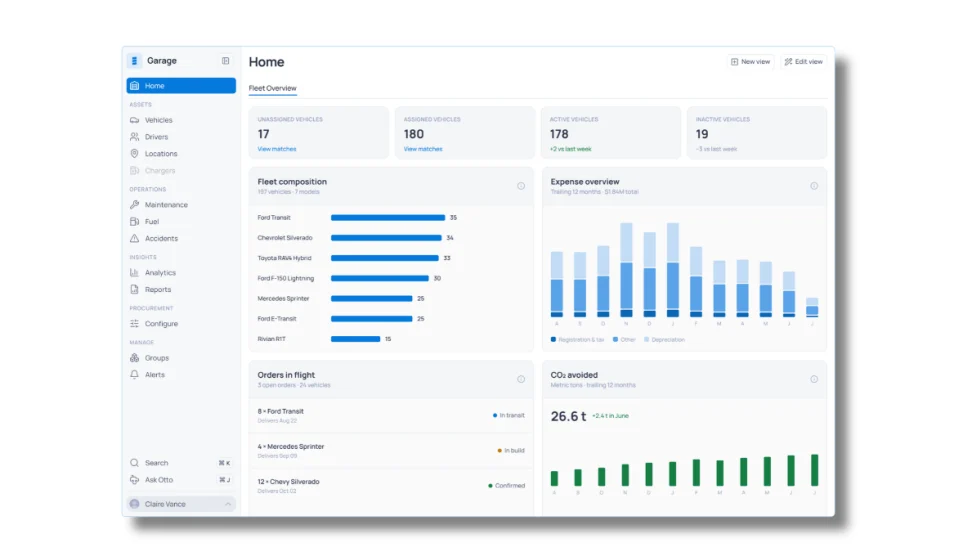
Inspiration Fleet Introduces Garage 2.0 Fleet Intelligence Platform
Fleet managers increasingly have access to data from vehicles, telematics, fuel, charging, and other systems, but those sources don't always communicate with one another. Inspiration Fleet's Garage 2.0 platform brings that information together while letting fleets keep working with different technology and service providers.
Read More →
Inside Inspiration Fleet’s New Platform for Connecting Fleet Data
Inspiration Fleet CTO Chris Getner explains how the new Garage 2.0 platform is designed to connect disparate fleet data and what that could mean for fleet managers in practice.
Read More →
Fleet Manager’s Ultimate Playbook: Navigating the New Standard in OEM Connectivity
Rising operating costs, driver safety concerns, and unplanned downtime are putting unprecedented pressure on modern fleets. Discover how fleet managers use embedded OEM connectivity and real-time vehicle data to cut TCO, prevent downtime, and protect drivers without aftermarket telematics hardware.
Read More →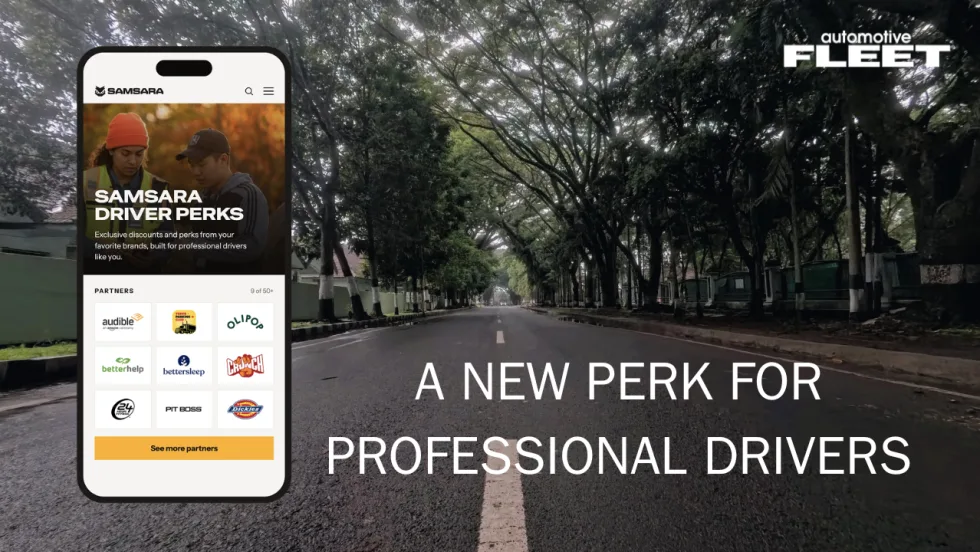
Samsara Driver Perks Adds New Benefit for Corporate Fleet Drivers
The rewards program gives eligible professional drivers access to discounts from more than 50 brands while giving fleets another way to support recruitment, retention, and the driver experience.
Read More →
Inside the Church of Jesus Christ of Latter-day Saints’ Two-Track Telematics Strategy
With 20,000 vehicles and two fundamentally different driver populations, the Church faced a fleet management problem that a single telematics program couldn't solve. How it responded offers a replicable framework for any fleet where one size doesn't fit every driver.
Read More →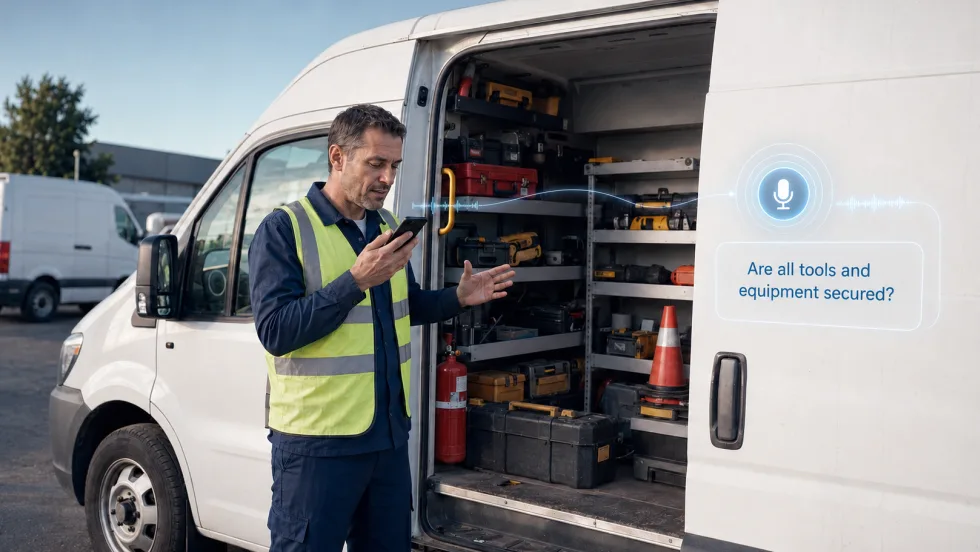
How Conversational AI Can Make Fleet Tasks Easier for Drivers
While most generative AI tools help fleet managers interpret data at their desks, Connex2X is applying voice interaction to tasks behind the wheel.
Read More →
Why Fleets Are Creating Dedicated Fleet Analyst Positions
Are fleet analyst positions the new norm? Listen here to find out.
Read More →
Teletrac Navman Begins Next Chapter as Standalone Private Company
What's new with Teletrac Navman and its new owner?
Read More →
Why Fleets Are Creating Dedicated Fleet Analyst Positions
Telematics, AI, EVs, and connected technologies are generating more fleet data than traditional teams can effectively manage. Reed Jackson explains why dedicated fleet analytics roles are emerging to turn that information into better operational decisions.
Read More →