




2017 Fleet Management Trends: Safety Tech
Commercial fleets seeking to reduce distracted driving and the associated risks are requesting more semi-autonomous features with leased vehicles such as forward braking, as well as other safety aides such as backup cameras, Bluetooth, and adaptive headlights.

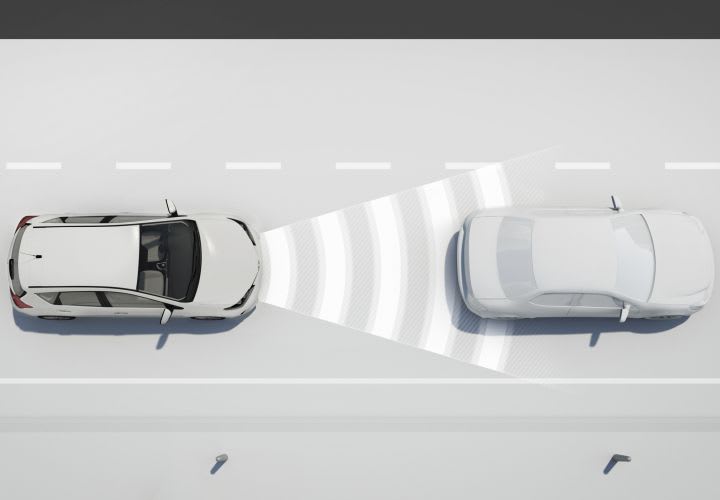
Photo of dynamic radar cruise control courtesy of Toyota.
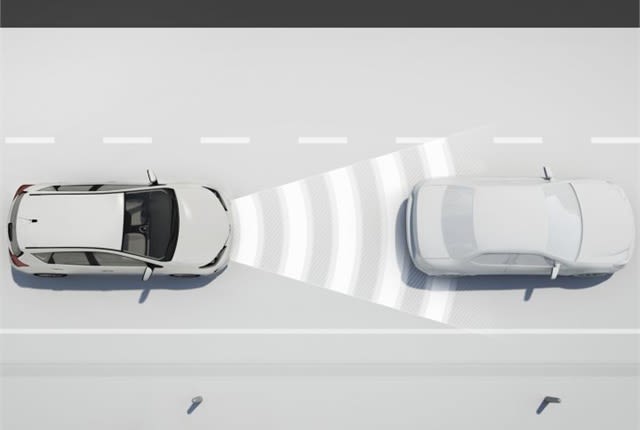
Photo of dynamic radar cruise control courtesy of Toyota.
Commercial fleets seeking to reduce distracted driving and the associated risks are requesting more semi-autonomous features with leased vehicles such as frontal braking, as well as other safety aides such as backup cameras, Bluetooth, and adaptive headlights, according to fleet management company experts.

Kandrysawtz
"The distracted driving epidemic has forced fleets to pay greater attention to the safety features included in the cars they offer," said Beth Kandrysawtz, CEO of Motorlease Corp. "More and more of our clients have become intrigued by features such as automatic braking and blind spot information systems. As these features eventually become standard equipment, look for innovations such as car-to-car communication to lead the next wave of available safety options."
In recent model years, automakers have begun offering some of these safety technologies on lower trim grades so commercial fleets can continue purchasing base model vehicles. All 2018 model year vehicles most have a backup camera under regulations finalized by the U.S. Department of Transportation in March of 2014.

Frank
"Active frontal crash avoidance systems and adaptive headlights are showing some of the best results in reducing accidents and are becoming more common," said Dan Frank, president of Wheels, Inc. "And rearview backup cameras are becoming standard. Manufacturers are doing a better job offering safety packages for fleet that do not require expensive model upgrades."
Safety technologies expected to gain greater popularity among fleets in 2017 include Bluetooth, lane keep assist, electronic stability control, adaptive cruise control, adaptive headlights, collision warning, park assist, back-up camera, reverse sensing system and telematics devices, said Cindy Gomez, Donlen's vice president of vehicle acquisition services.

Gomez
"The majority of these options are not standard equipment and require our customers to upgrade to a higher trim or forces a customer to select a package that has non-related safety items included in them," said Gomez. "Since safety has become such a high priority for fleets, I see manufacturers beginning to standardize more of these options."
In 2017, fleets will install telematics for reasons that go beyond driver productivity, said Tom Coffey, vice president of sales and marketing for Merchants Fleet Management.

Coffey
"Back-up cameras will become nearly universally standard along with Bluetooth and some form of telematics for safety reasons even more so than tracking driver efficiency," Coffey said.
Bluetooth has become more prevalent in recent years, and helps fleets reduce crash risk without breaking the bank.

Donahue
"The top safety option that we see being added throughout our fleet profile is Bluetooth," said Mark Donahue, manager of fleet analytics and corporate communications with Emkay. "This is a relatively inexpensive option that greatly reduces distracted driving, helping to reduce accident related expenditures."

Bensel
Fleets working with Element Fleet Management have expressed a desire to use hardware or software that block the use of cellphones and other mobile devices while the vehicle is in motion, said Eliot Bensel, vice president of technical sales and advisory services for risk, safety and accident management.
"We are hearing that controlling cell phone use — whether using software installed by the OEM or external hardware — is also a high priority," said Bensel. "Until these features are readily available and practical to install and use, the needs will remain for the foreseeable future."
More Safety

Fleet Manager’s Ultimate Playbook: Navigating the New Standard in OEM Connectivity
Rising operating costs, driver safety concerns, and unplanned downtime are putting unprecedented pressure on modern fleets. Discover how fleet managers use embedded OEM connectivity and real-time vehicle data to cut TCO, prevent downtime, and protect drivers without aftermarket telematics hardware.
Read More →
From Driver Well-Being to EV Charging | AF News Recap
Mental health belongs in the fleet safety conversation. This week, we’re looking at five ways fleets can support employee well-being before a crisis, plus Holman’s expansion in Mexico, new one-day Fleet Forward passes, and why EV charging demand is outpacing infrastructure growth.
Read More →
Nexar-Nauto Merger Aims to Give Fleets Better Safety Intelligence Through Larger Driving Dataset
Stefan Heck tells Automotive Fleet that combining more than 10 billion miles of driving history with Nexar's AI models will give fleets deeper insights into driver risk and roadway conditions than either company could provide independently.
Read More →
Don't Wait for a Crisis: 5 Ways to Build Mental Health Into Your Fleet Safety Program
For Suicide Prevention Month, fleet and safety leaders have an opportunity to put mental health where it belongs: at the center of workplace safety.
Read More →
How Camera Data Can Strengthen a Fleet’s Insurance Renewal
Insights from a commercial insurance carrier and a broker show how fleets can turn video telematic data, driver coaching, and improved claims results into a stronger case at insurance renewal.
Read More →
The Safest Fleets Aren’t the Ones with the Most Technology
You’ve made the telematics investment. Here’s how to capture the other half of its value and build the safest fleet on the road.
Read More →
Hidden in Plain Sight: Fleet Compliance Risks
Fleet compliance isn't just about having policies — it's about consistently enforcing them. This practical guide reveals six hidden compliance risks common in public sector and shared fleet operations and outlines proven strategies to improve visibility, accountability, and audit readiness
Read More →
NETS Sets 2026 Fleet Safety Benchmark Conference for Indianapolis
The Sept. 15–17 program will feature fleet benchmarking data, case studies, emerging technologies, and implementation strategies while running alongside the NSC Safety Congress & Expo.
Read More →
Off-the-Job Crashes Account for 43% of Employers’ $61.7 Billion Crash Burden
NETS quantifies costs dispersed across fleet, risk, HR, and other departments while providing new per-crash benchmarks for employers.
Read More →
Ram Recalls More Than 1.27 Million 1500 Pickups for Seat Belt Anchor Issue
The recall affects certain 2019-2026 Ram 1500 pickups that may have improperly attached second-row seat belt buckle anchors.
Read More →