




1994 Chrysler New Yorker & LHS Merge Performance with Luxury
Following the successful launch of its LH models, Chrysler looks for a repeat performance as the all-new New Yorker and LHS become available to dealers in April. Both 1994-models use a cab-forward design.
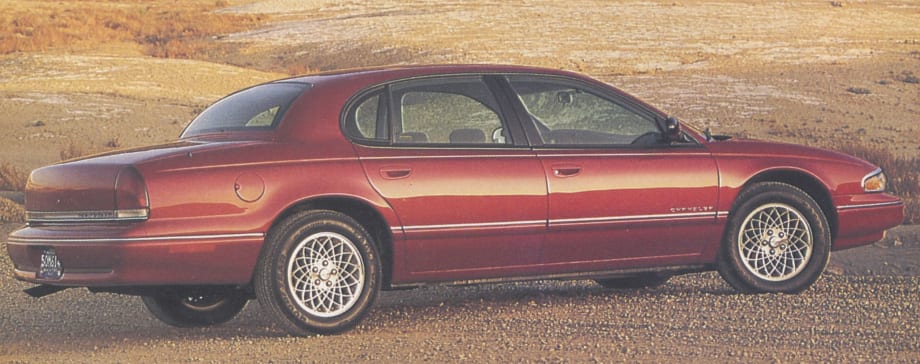
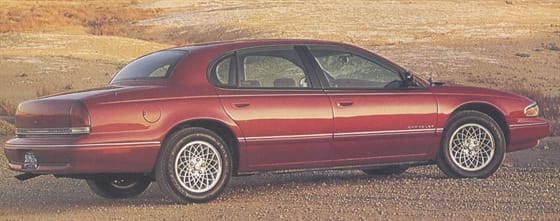
Production for the all-new full-size 1994-model Chrysler New Yorker and Chrysler LHS sedans begins in February 1993 at Chrysler's Bramalea, Ontario assembly plant one month after their debut at the North American International Auto Show in Detroit.
Both the New Yorker and LHS feature Chrysler's innovative cab-forward architecture that expands the amount of usable passenger space. The vehicles are 207-inches long overall, and are built on a 113-inch wheelbase.
The six-passenger New Yorker is equipped with many standard features including passenger-and driver-side airbags, power foldaway heated mirrors, four-wheel disc brakes with ABS, air conditioning with rear seat heater and air conditioning outlets, power windows and door locks, 15-inch wheels, and luggage compartment cargo net.
A 3.5L 24-valve V-6 engine with a four-speed electronically-controlled automatic transmission is also standard.
In addition to all the standard features of the New Yorker, the five-passenger Chrysler LHS has a moonroof, power driver and passenger seats, floorshift and full floor console with cup holders, 16-inch wheels, computerized traction control to enhance acceleration and handling on slippery or uneven surfaces, air conditioning with automatic temperature control, touring suspension, premium leather front bucket seats, and contoured rear seat with arm rest.
One year ago, Chrysler's LHS luxury sedan made its first public appearance during the 1992 North American International Auto Show as a concept vehicle. The response was so positive, Chrysler decided to offer a nearly identical production version called the LHS. It's targeted directly at import buyers. "With the launch of New Yorker and LHS, we have a unique opportunity to reach two distinct segments of the full-size sedan market," says Steve Torok, Chrysler-Plymouth general manager. "With our bi-modal strategy, we think we have a great opportunity to reach traditional large car prospects, as well as import intenders who may have never visited a Chrysler dealership before."
More Operations
A buyer's guide to fleet management software in 2027
Buying fleet management software in 2027 means looking beyond features and price. As fleet operations, technology and expectations evolve, this guide explores what today’s fleet professionals should consider when choosing a system that can deliver value now and adapt to what comes next.
Read More →
What Will Shape the Next Era of Fleet Management?
EVs, AI, and autonomous vehicles are reshaping fleet management. Discover what’s ahead—and how fleet leaders can prepare for the next era.
Read More →
How Fleets Can Recruit and Train Veterans for Technician Roles
Here's how the technician shortage has affected uptime for fleets, and what to do about it.
Read More →

Avis Budget Group Deploys Neology Toll Management Technology Across Major Brands
Neology’s neoFleet platform will manage toll transactions and toll-authority operations for vehicles across Avis, Budget, Payless, Budget Truck and Zipcar.
Read More →
Fleet Personal-Use Charges Edge Higher in 2026
Nearly eight in 10 surveyed fleets allow personal use of company vehicles, while just over half of respondents report charging employees for the privilege.
Read More →
The Future of Fleet + What’s Changing Right Now | AF News Recap
Could developments overseas offer a preview of what’s coming for U.S. fleets? This week, we’re looking at the future of AI, autonomy, and electrification, plus Ford Pro’s new certified pre-owned program, smarter vehicle offboarding, and a new way for fleets to manage toll expenses.
Read More →
How to Handle Vehicle Offboarding
What do fleet managers need to do when a driver leaves?
Read More →
Fleet Manager’s Ultimate Playbook: Navigating the New Standard in OEM Connectivity
Rising operating costs, driver safety concerns, and unplanned downtime are putting unprecedented pressure on modern fleets. Discover how fleet managers use embedded OEM connectivity and real-time vehicle data to cut TCO, prevent downtime, and protect drivers without aftermarket telematics hardware.
Read More →
U.S. Bank Adds Verra Mobility Toll Management to Voyager Fleet Platform
The integration allows U.S. Bank Voyager fleet customers to manage toll payments and violations alongside fuel, EV charging and maintenance expenses.
Read More →
ADAS Prevents Crashes. But Repairs Cost More | AF News Recap
ADAS-equipped vehicles may crash less often, but they can cost more when they do. This week, we’re breaking down what that tradeoff means for fleets, plus Subaru’s first Forester Wilderness Hybrid, Nissan’s new e-POWER Rogue, and why Calstart has become Catalyst Mobility.
Read More →