




15 Ways to Increase Your Fleet’s Fuel Economy
Although gas prices have hit a record high, you can take actions to maximize the fuel efficiency of your fleet. Here are 15 suggestions for drivers to follow to maximize fuel economy, most of which won’t cost you a cent.

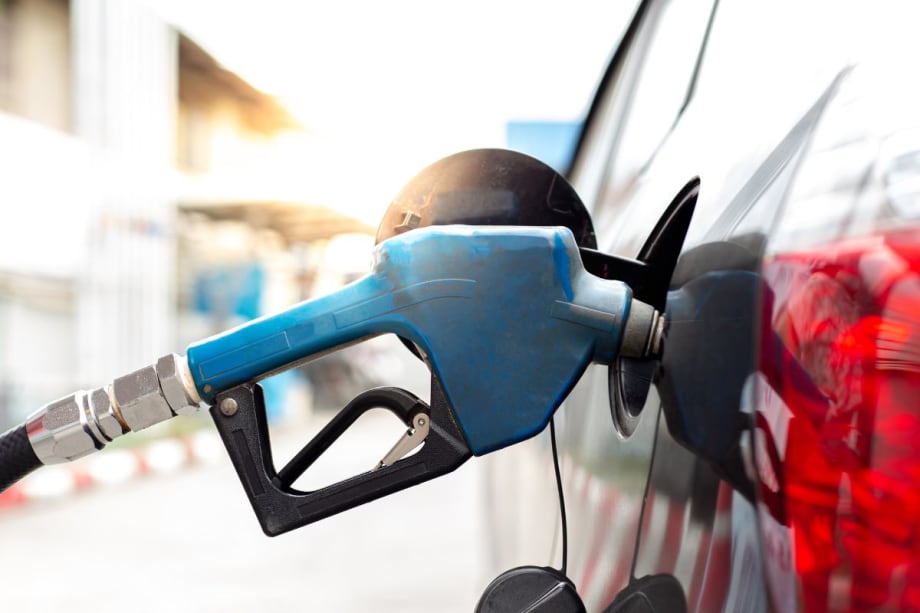
Photo: Canva
Fuel represents the largest operating expense for all fleets, and that expense is increasing. By mid-March of this year gasoline prices had climbed to an average nationwide record high of $1.77 a gallon, a 20% increase since January. For the past several years, fuel prices have spiked in the spring and summer, playing havoc for fleets that that did not budget for this increased expenditure. Here are 15 actions your drivers can take to minimize fuel expenditures.
1. Have Drivers Ensure Tires are Inflated to the Correct Pressure
This is the cheapest and easiest way to control fuel expenses and the one most often overlooked. If your drivers don’t have a tire gauge, it is worth the expense to buy them one so they can ensure that tires are inflated to the manufacturer’s recommended level.
One under-inflated tire can cut fuel economy by 2% per pound of pressure below the proper inflation level. One out of four drivers, on average, drive vehicles with one or more under-inflated tires. In a survey of 250 vehicles randomly selected in a parking lot study, Goodyear found that 28 percent had one or more under-inflated tires.
When a tire is under-inflated, let’s say by 4 to 5 psi below the manufacturer’s recommended tire pressure, vehicle fuel consumption increases by 10% and, over the long haul, will cause a 15% reduction in tire tread life.
Additionally, if a company employee drives on under-inflated tires, the likelihood of getting a flat tire dramatically increases. Running on soft tires generate extra heat, which can cause premature failure. Incorrect tire inflation is the primary cause of premature tire wear. Over time, an under-inflated tire will develop abnormal wear patterns, in which the outer edges will wear faster than the middle treads of the tire, shortening a tire’s life by thousands of miles.
2. Get a Fleet Fuel Card
A fuel management program helps avoid unauthorized purchases by allowing you to control exactly what drivers purchase. Limiting the type of fuel purchased is an easy way to control costs.
A fuel card can restrict driver purchases to only regular unleaded gasoline, not more expensive premium and super unleaded grades of gasoline. Today’s engines run well on 87-octane gas. Don’t buy just name-brand gasoline or premium, higher-octane gasoline.
Unless the owner’s manual of your vehicle specifically requires it, don’t use premium fuel. Most of today’s fleet vehicles are designed to run on unleaded regular and filling up with premium only increases cost, not performance. Your fuel cost could go down as much as 10 cents per gallon if you use regular fuel instead of premium.
3. Clean Out the Trunk and Eliminate Unnecessary Weight
Cars, like cargo trucks, get much better mileage when they’re not loaded with unnecessary additional weight. According to AutoZone, every 200 lbs. of unnecessary weight trims one mile off fuel efficiency. Most drivers accumulate a lot of material in their trunks, much of it unnecessary. The less weight a vehicle carries, the less fuel it will consume. Instruct drivers to remove all unnecessary items from the trunk, such as unneeded tools or materials.
4. Avoid Long Idling
The worst mileage a car can get is 0 miles per gallon, which occurs when it idles. Idling for long periods of time, whether at a rail road crossing or pulling off the road to make a cell phone call, consumes gas that could be saved by simply turning off the engine. Restarting an engine uses about the same amount of gas as idling for 30 seconds. When idling for longer periods of time, shut off the engine.
5. Buy Gasoline in the Morning
To maximize fuel economy, the editors of Kelley Blue Book suggest buying gasoline when the temperature is cold and gasoline is at its densest. Consumers are charged based on volume, not density. Buy gasoline during the coolest time of the day or first thing in the morning. Conversely, heat causes fuel to expand and overflow. Don’t completely fill the gas tank in hot weather.
6. Monitor Preventive Maintenance Schedules
Proper maintenance will increase a vehicle’s fuel economy. Keep the air filter clean. A dirty filter clogs an engine’s air supply, causing a higher fuel-to-air ratio and thereby increasing gasoline consumption.
7. Make Drivers Energy Conscious
Similar to turning off the lights in unoccupied rooms at home, your drivers should practice energy conservation habits in their vehicles as well. For example, use the air conditioner only when needed. Don’t use it as a fan to simply circulate air. An air conditioner is one of the biggest drains on engine power and fuel economy. It can reduce gas consumption by 5 to 20 percent, depending on the type of vehicle and the way it is driven.
8. Encourage Carpooling When Appropriate
Encourage drivers to car pool when they know that they will be in the office all day, such as for meetings or catching up with paperwork.
9. Drive at Moderate Speeds
Wind drag is a key source of reduced fuel mileage, causing an engine to work harder, thereby reducing fuel economy. The faster you push a vehicle, the more air it must push out of the way. Even with all the talk about the aerodynamics of today’s vehicles, some trucks, vans, and SUVs have the aerodynamics of a brick. Another suggestion to minimize wind drag is to keep the vehicle’s windows rolled up. This allows air to flow over the body, rather than drawing it inside the cabin and slowing down the vehicle.
10. Use Cruise Control During Highway Driving
Unnecessary changes in speed are wasteful, and the use of cruise control helps improve fuel economy.
11. Develop a More Efficient Routing Plan
If you are running a delivery fleet or have vehicles that follow a set daily pattern, efficient routing offers an effective way for fleets to manage fuel expenses. Not only does a routing plan make trips more fuel-efficient, but it also increases time efficiency as well.
12. When Feasible, Have Two Employees Per Vehicle
If you have several employees going to the same work location or job site, have them take one vehicle instead of driving separately.
13. Monitor Fuel Economy While Driving
If a vehicle has a trip computer, encourage drivers to use the "instant fuel economy" display to refine driving habits.
14. Avoid Jackrabbit Starts
A car consumes extra fuel when accelerating. To maximize fuel economy, drivers need to examine their driving habits. Simply limiting acceleration and fast braking can increase fuel economy.
When accelerating, pretend you have a fresh egg underneath your right foot. A light, steady pressure helps to minimize the amount of fuel consumed and maintain a more moderate and steady speed.
15. Stick to the Speed Limit and Anticipate Traffic Flow
Driving fast wastes gas. Traveling at 65 miles per hour uses 15% more fuel than driving at 55 mph. By adhering to speed limits, a driver will conserve fuel.
In commuter traffic, which usually involves stop-and-go movement, look two or more vehicles ahead rather than watching the driver in front of you. This enables you to accelerate and decelerate more gradually.
By anticipating a traffic light change, an upcoming stop sign, or the need to slow down for a curve, you can avoid or reduce brake use and save gasoline in the process. Like the "jackrabbit start," the "jackrabbit stop" is a major contributor to inefficient driving.
When you come upon a "merge ahead" sign, automatically check your speed, traffic spacing, and length of the acceleration lane so that you can merge smoothly without interrupting momentum any more than necessary.
By not driving aggressively, drivers can save up to 20 percent in fuel economy, advises the EPA. Driving smoothly and anticipating stops to avoid sudden braking maximize fuel economy.
Pay Attention to the Details
Some of these suggestions may slight in the big picture of fleet operation expenses, but paying attention to details will add up to large savings during the course of a year. According to industry expert, if a single driver rigorously adhered to these suggestions, the fuel economy of a vehicle could increased by approximately 10%.
More Operations

Moventum Fleet Management Names Mark Iorillo Head of Sales
Iorillo brings nearly 20 years of fleet management and sales experience to the role, including previous positions at Element Fleet Management, CEI, Donlen and Ryder.
Read More →
Fleet Has a Talent Pipeline Problem. What Comes Next? | AF News Recap
Where will fleet’s next generation of leaders come from? This week, we’re looking at the industry’s talent pipeline, what certification can add to a fleet career, how to build an award-worthy track record, and the return of Automotive Fleet’s Personal Use Survey.
Read More →
Smith System Launches Driver Risk Management Program
Fleets have more driver data than ever, but identifying risky behavior doesn't necessarily correct it. Smith System's new Driver Risk Management program combines monitoring, training, and follow-up coaching to help fleets connect risk signals with driver intervention.
Read More →
Automotive Fleet Opens 2026 Personal Use Survey for Commercial Fleet Managers
Less than two weeks left! Commercial and corporate fleet managers are invited to share how their organizations handle company vehicle personal-use policies, charges, and driver eligibility.
Read More →
From AI Prompts to AI-Generated Safety Songs | AF News Recap
Can better prompts make AI more useful for fleet managers? This week, we’re breaking down smarter fleet analysis, an AI-assisted experiment that turned safety training into music, and what happened to fuel prices in August.
Read More →
How to Write Better AI Prompts for Fleet Analysis
Include these six elements in your fleet prompts to generate more relevant analysis and accurate answers.
Read More →
Fleet Meets: Eric Kilgore
This edition of the Fleet Meets series features one of the industry's best leaders driving multi-market and national operations.
Read More →
Why Reactive Fleet Management Is Becoming Too Expensive to Sustain
Research highlights a growing need for proactive management strategies to address rising costs in fleet operations effectively.
Read More →
What Your Fleet KPIs Aren’t Telling You
Tracking fleet metrics is only useful when the data leads to better decisions. This guide helps fleet leaders assess cost, utilization, and downtime more accurately, identify performance gaps, and prioritize the actions that can improve operational results.
Read More →
Hidden in Plain Sight: Fleet Compliance Risks
Fleet compliance isn't just about having policies — it's about consistently enforcing them. This practical guide reveals six hidden compliance risks common in public sector and shared fleet operations and outlines proven strategies to improve visibility, accountability, and audit readiness
Read More →