





Related: Average Fleet Order-to-Delivery Times Worsen in 2019
Chassis Shortages and Installation Backlogs Slow Upfitter Order-to-Delivery
Strong demand for light- and medium-duty trucks in the 2019 model-year resulting in widespread backlogs at upfitters delaying some ship-thru units, impacting order-to-delivery times for both light- and medium-duty trucks.
October 9, 2019
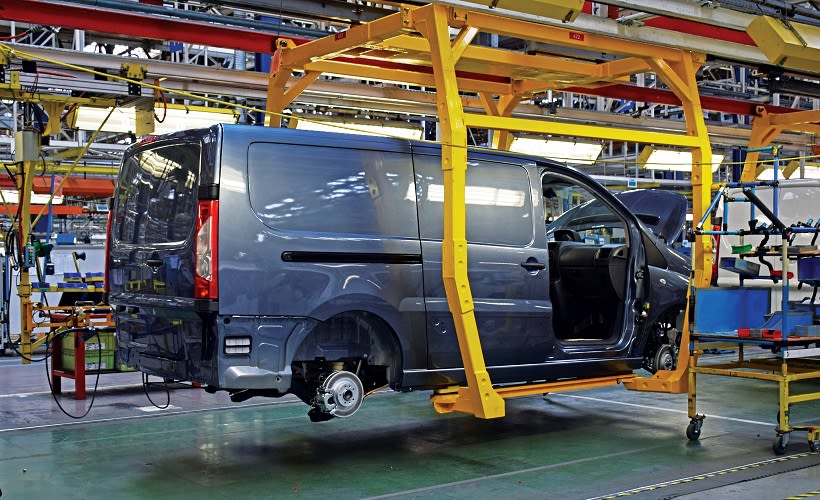
Due to capacity issues at the upfitter plants, it impacted the timing of putting vehicles back into shipping, contributing to backups and delays in railcar traffic.
photo: ©istockphoto.com/Tramino
6 min to read
Strong truck demand from fleet buyers created widespread backlogs as most upfitters were operating at capacity during the 2019 model-year. The increased upfit volume delayed some ship-thru units, impacting the overall order-to-delivery (OTD) timeframe for both light-duty and medium-duty trucks.
“Most suppliers are working at or beyond their normal production capacity. Due to labor constraints, many upfitters are unable to add production capacity as fast as they would like to,” said Jessica Krams, manager, vehicle order management for Wheels Inc.
This observation was also made by Matt Miller, vehicle status specialist for Donlen. “Upfitters still seem to have issues with finding and retaining qualified employees to help alleviate the backlog of their outstanding project workloads,” said Miller.
Even non-complex upfitting along with standard service bodies have higher lead times. As order volume has increased specifically for truck and cargo vans so, too, has upfit demand.
“We saw that the high volume of orders and a taxed transportation system caused longer than normal dwell times for units to enter and exit the ship-thru process,” said Mary Jo Welch, assistant vice president of new vehicle acquisition for Enterprise Fleet Management. “We also saw an increase in the number of units missing ship-thru due to the congested ramps and taxed shipping channels.”
This issue was also cited by Eric Miller, CAFM, director of ordering fulfillment for Element Fleet Management. “Large number of issues with missed ship-thrus meant vehicles were delivered to incorrect supplier, missed upfitting entirely and required back-haul.”
Although upfitters sought to hire additional employees to meet the increased work demand, many of them found it difficult to find qualified candidates to fill these additional positions. Also, as upfitters open new plant locations, the quality and consistency in the upfit has declined, resulting in a halt in production to correct these issues.
Upfit supply and demand issues was a major concern in MY-2018, as many upfitters were unable to keep up with increased volume. In addition to delays caused by high order volumes, there were seasonal and fleet-specific surge volumes, which exasperated the backlog in production.
Railroads are the primary long-distance transporter of cars and trucks using specially designed, fully enclosed railcars that have either two or three levels within them. For the past 20 years, there has been a nationwide shortage of these autorack railcars that has not kept pace with auto industry growth, which has been a key factor behind fleet delivery delays.
The industry-wide railcar shortage had a much greater impact in 2019 and 2018 than it had in the prior two years. Demand for trucks, SUVs, and vans increased and these larger vehicles often require a bi-level railcar, which means fewer vehicles can be moved at one time. Particularly hard hit were the truck and van assembly plants and ramps. The plants were so backlogged with vehicles that car haulers were unable to bring vehicles to upfitters and could not bring upfitted vehicles back to the plant because they were out of space.
Due to capacity issues at the upfitter plants, it impacted the timing of putting vehicles back into shipping, contributing to backups and delays in railcar traffic.
“In addition, there were delays in completed units re-entering the supply chain and creating a backlog for several upfitters, which also led to storage space constraints, further disrupting production schedules,” said Ted Davis, vice president, North American Supply Chain for ARI. “Additionally, highly specialized units with complex upfitting had higher than normal OTD times. But overall, most upfitters did a tremendous job navigating the challenges across the industry to keep lead times at a manageable level.”
Railway backlog is particularly impacting ship-thru units requiring upfitted equipment. Bodies are ordered, but the chassis are delayed, which creates a domino effect where upfitters don’t produce additional bodies until the chassis arrive. These delays shift one fleet’s production into another fleet’s reserved schedule. Now, body production is out of sync with chassis delivery, which means fleets have a depreciating chassis sitting at an upfitter, which is unusable.
In addition to the constraints already discussed, there were a variety of other factors that impacted OTD times for upfitted units.
Fluctuating Commodity Prices: “Rapidly fluctuating commodity prices led to potentially longer delays for upfitting. With the potential for steel and aluminum prices varying so much month to month, some upfitters would not honor any upfit quotes for over 30 days from the initial quote date,” said Miller of Donlen. “That being said if there were any production or transport delays, units had to be re-quoted and reconfirmed by end-clients, thus adding to material procurement timeframes and actual upfit equipment production delays.”
Uncertainty Caused by Tariff Threats: “Many companies ordered vehicles early because of the threat of possible tariffs, which dramatically increased lead times for many popular AME vendors,” said Welch of Enterprise Fleet Management.
Equipment Recalls and Constraints: “The most pertinent OTD issues for upfit stemmed from a build of demand from OEMs and a resulting chassis shortage. This influx of volume also created railcar shortages and delays getting vehicles delivered via transportation. This is especially problematic for upfitters because they plan on equipment arrival based upon the chassis ETA. It’s like a domino effect; when one piece falls, the schedule gets impacted causing delays,” said Wayne Reynolds, manager, upfit design and consultation for LeasePlan USA. Equipment constraints was another factor in delaying upfitter shipments. was. “GM’s tonneau cover recall did have impact on OTD. Merchants notified our clients that were impacted by delays and offered aftermarket solutions,” said Charles Mathew, fleet operations manager for Merchants Fleet. This was seconded by Miller of Element Fleet Management. “Lead times on certain upfit components (i.e., toppers/tonneau covers, safety equipment, etc.) lengthening total vehicle acquisition cycle times,” said Miller of Element Fleet Management.
Early Buildout Dates: Many times, manufacturers will move build-out dates forward, catching many fleets off-guard. This results in the inability to place needed orders and will lead to delays in searching for stock units, which will come with an increased cost and not an exact chassis spec to conform to the developed upfit.
Increased Installation Times: “Installation times increased due to heavy order volume and, in some cases, installation times doubled. Also, many upfitter parts suppliers increased lead times without advanced warning. Particularly hard hit were body manufacturers producing aluminum service bodies where lead times for just the bodies were in excess of 26 weeks,” said Krams of Wheels.
Production Errors: “Increased instances of units that had incorrectly assigned final destinations from the factory and / or units missing an upfitter completely and in turn shipping to their final destinations with no fabrication being completed,” said Miller of Donlen.
Ramp Congestion: The delays in rail pickup of finished vehicles resulted in a growing inventory of unshipped vehicles clogging rail ramps. “Ramp embargos were another factor that influenced OTD performance. There was a large backlog of finished vehicle shipments that sat at ramps and yards, causing logistic systems to limit what vehicles were allowed to enter,” said Welch of Enterprise Fleet Management.
Advance Planning is Critical
It is in situations like today that makes advance planning crucial. The best strategy to improve OTD for the vehicles requiring upfitting is to place orders as early as possible. This will help avoid potential risks of delayed production due to high demand of certain popular models, quality holds, and uncontrollable transportation interruptions caused by a railcar shortage. By placing orders earlier, it allows more time to ensure the product can be scheduled, built, shipped, upfitted, and delivered in the timeline required.
Subscribe to Our Newsletter
More Upfitting
A Behind-the-Scenes Tour of a Fleet Upfit Facility
Get a behind-the-scenes look at how Driverge takes fleet vehicles from pilot builds to production and shipping.
Read More →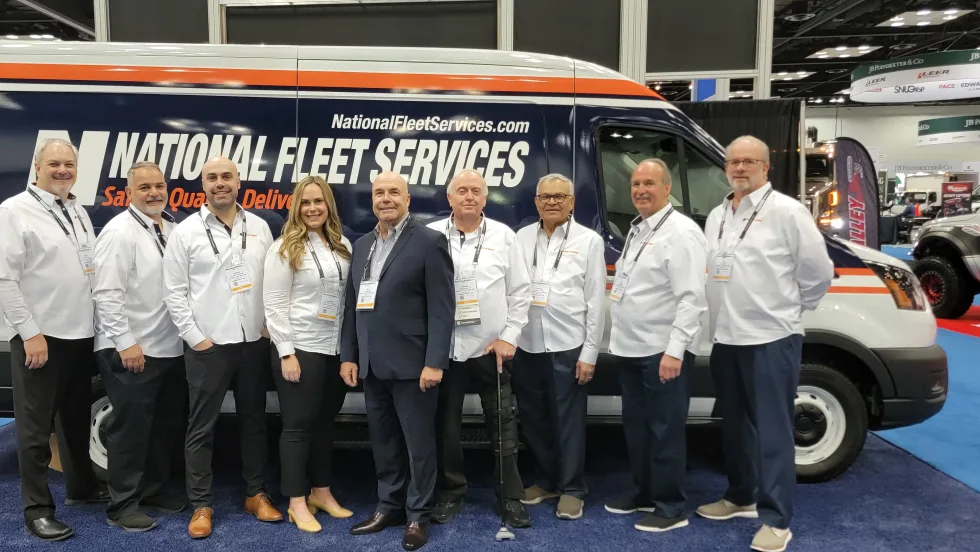
National Fleet Services Marks 30 Years of Fleet Upfitting Operations
Thirty years after its founding, National Fleet Services says its fleet assessments continue to uncover opportunities for more efficient, durable, and cost-effective vehicle upfits.
Read More →
Sponsored•July 2, 2026
How to Upfit, Equip, and Accessorize EVs for Work
From payload constraints and range tradeoffs to safety considerations and rising upfront costs, this conversation breaks down the realities of upfitting electric work trucks and vans.
Read More →
Driving Performance Across Trade Fleets: Upfit Standardization Strategies & Best Practices
Check out the best upfitting strategies and practices for trade fleets.
Read More →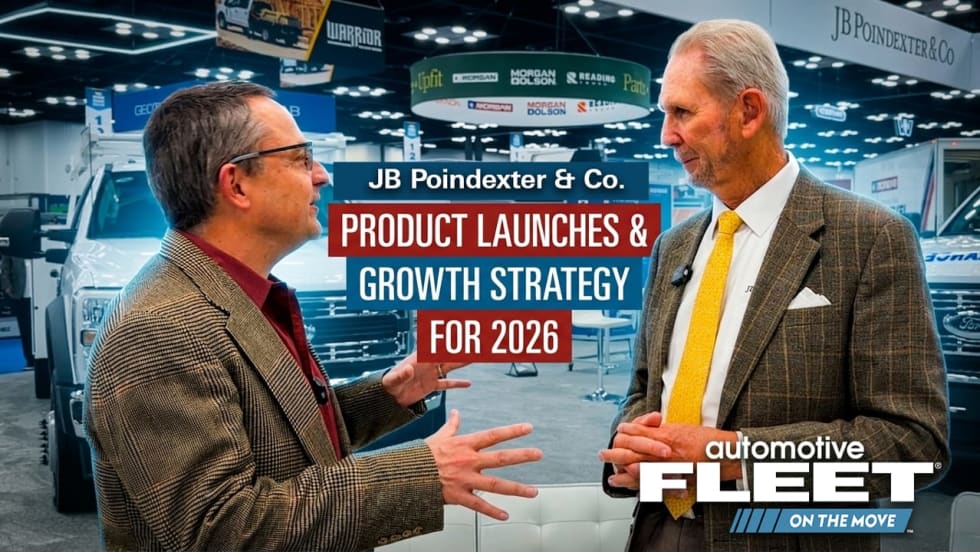
John Poindexter Shares Product Launches, Growth Strategy for 2026
After a major acquisition, JB Poindexter’s CEO outlines what’s next, from smarter camera systems to early AI integration, and whether more deals are on the horizon.
Read More →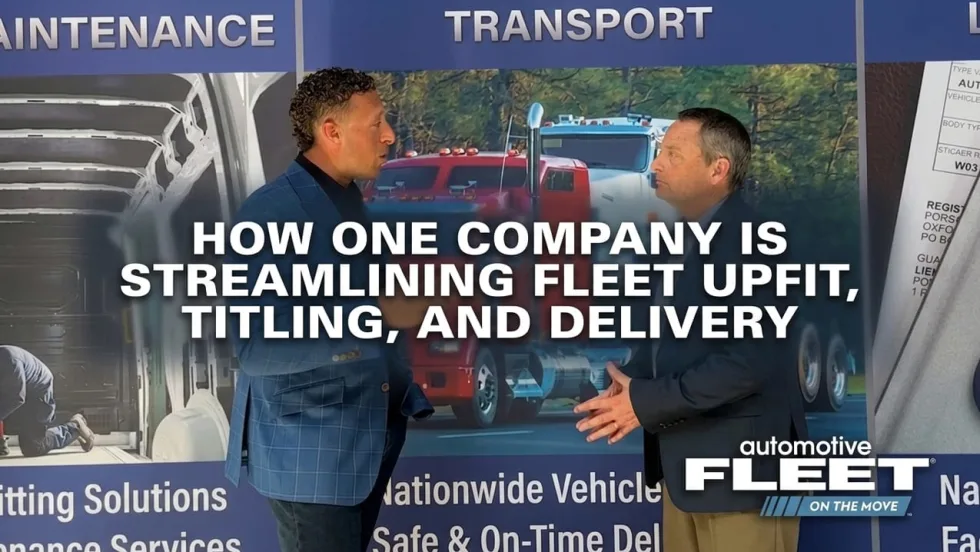
How One Company is Streamlining Fleet Upfit, Titling, & Delivery
Anew Solutions CEO Austin Schutte joins AF on the Move to discuss fleet upfitting, delivery logistics, and the importance of speed to completion in today’s fleet operations.
Read More →
Sortimo Presents New Upfitting Products
Sortimo detailed new racking systems, new floors, and more at Work Truck Week 2026.
Read More →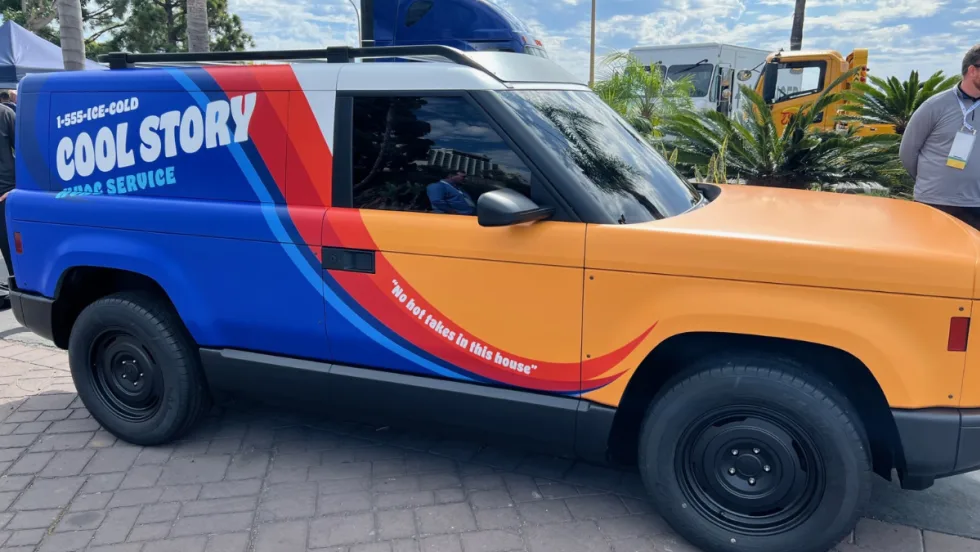
How To Upfit Electric Work Trucks and Vans
The biggest challenge lies in balancing additional equipment and accessories with EV battery capacity and range.
Read More →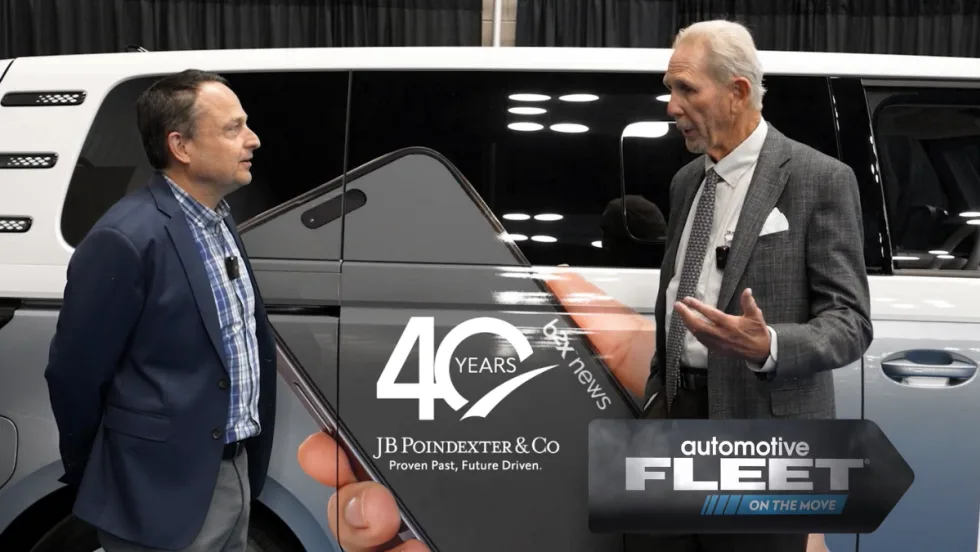
JB Poindexter’s CEO Talks Growth, Industry Disruption & What’s Next
John Poindexter, CEO of JB Poindexter & Co., discusses how his $2.5B enterprise is navigating technology transformation, acquisitions, and a fast-evolving commercial vehicle market.
Read More →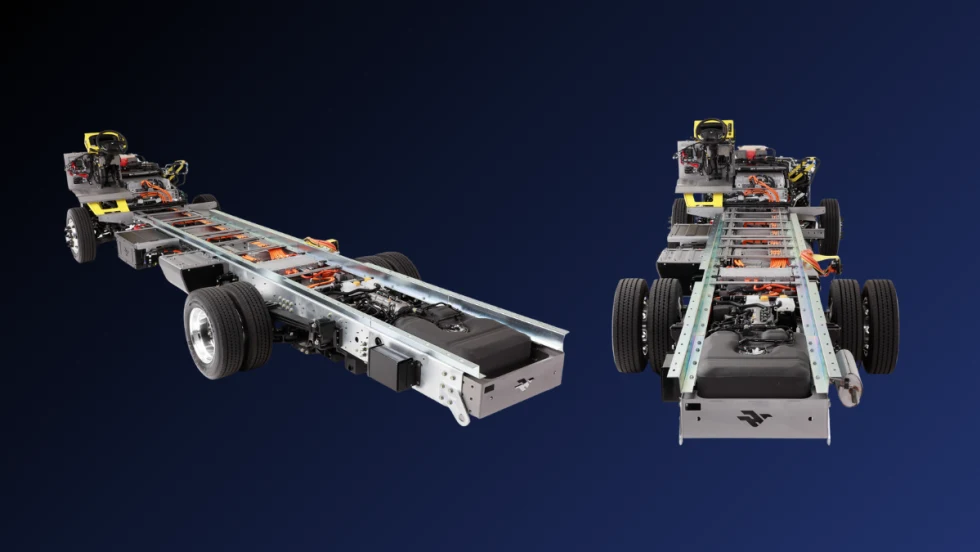
Harbinger Unveils Plug-In Hybrid Vehicle for Medium-Duty Fleets
The medium-duty truck company is expanding its American-made electric vehicle lineup to include a series hybrid model, offering up to 500 miles range.
Read More →