




What the Fed's Flat Interest Rates Will Mean for Used Cars
The Federal Reserve has voted unanimously that it would not hike interest rates any further for the remainder of 2019.

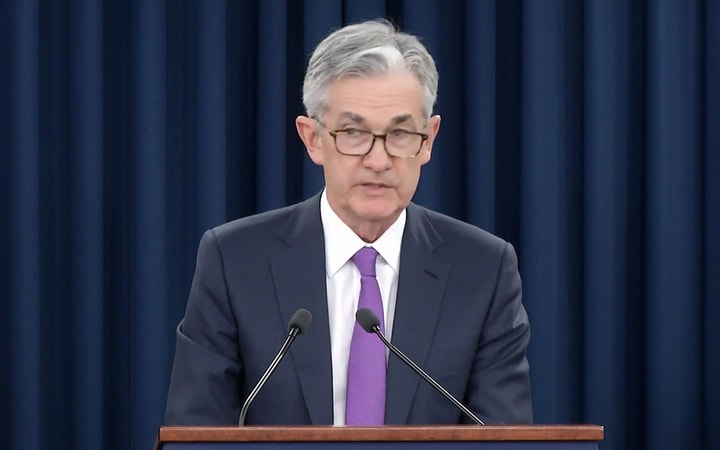
The decision to hold interest levels at their current levels, the range of 2.25% and 2.5%, for another year is good news to both the new and used car segment, according to subject matter experts from KAR Auction Services, Cox Automotive, and Black Book.
Screenshot via Federal Reserve Youtube.
The Federal Reserve voted unanimously on March 20 that it would not hike interest rates any further for the remainder of 2019.
The decision to hold interest levels at their current levels, the range of 2.25% and 2.5%, for another year is good news to both the new and used car segment, according to subject matter experts from KAR Auction Services, Cox Automotive, and Black Book.
“Higher rates were already causing affordability issues for monthly payments on vehicle sales, especially for new vehicles, and this announcement should help stabilize that dynamic to a degree,” said Kontos. “However, the availability and affordability of good quality, late-model used cars and the increasing cost of new vehicles should help support used vehicle retail sales and wholesale values.”
The Effect Interest Rates Have on Used Sales
The used-vehicle market tends to grow and strengthen when interest rates move higher, noted Jonathan Smoke, chief economist for Cox Automotive.
The reason for this is due to the pool of potential new-vehicle buyers shrinking as the higher monthly payments that come as of a result of higher interest rates become too expensive for them to pay.
At the current federal interest rate, consumers were already moving away from the new-vehicle side due to average transaction prices for new vehicles reaching record highs since the Fed began raising interest rates in 2017 after a nearly 10-year hiatus.
Since interest rates will remain at their current level, the used market should continue to enjoy healthy sales that have come as a result of the new-vehicle market becoming as expensive as it has.
However, it also means that new-vehicle prices should begin to stabilize. So, while prices for new vehicles aren’t expected to get cheaper, they shouldn’t get more expensive and push more buyers to the used market.
One additional thing that Smoke wanted to note was that there does come a point when high interest rates stop benefiting the used market. There is a point when interest rates get so high that it starts to limit all sales, even used.
Smoke said that with the Fed’s decision to hold off on raising interest rates the industry is not in any immediate danger of getting to that point. But, the industry was on the path toward that possibility six months ago, when the Fed proposed multiple hikes for 2019, he added.
The Effect Interest Rates Have on Residual Values
Residual values should also be positively affected by a year of stable interest rates.
Now that manufacturers know that interest rates will not rise for the remainder of the year they can practice a more disciplined approach with their incentive spend, noted Anil Goyal, executive vice president of operations for Black Book.
One method that manufacturers use to keep monthly payments low, and move metal on the new-vehicle front when interest rates are hiked is to offer bigger incentives that essentially cancel out the effects a higher interest rate would have on a vehicle’s monthly payment. But,while this may help move the metal on the new side, it’s a double edged sword that ends up hurting the vehicle’s value when it comes back to the used market.
Had the Fed announced that interest rates would continue to rise this year, manufacturers might have chosen to raise incentive spend as well, hurting residuals as a result. But, with the fear of rising interest rates gone, incentives this year should also remain flat, which will help residuals.
Originally posted on Vehicle Remarketing
More Remarketing
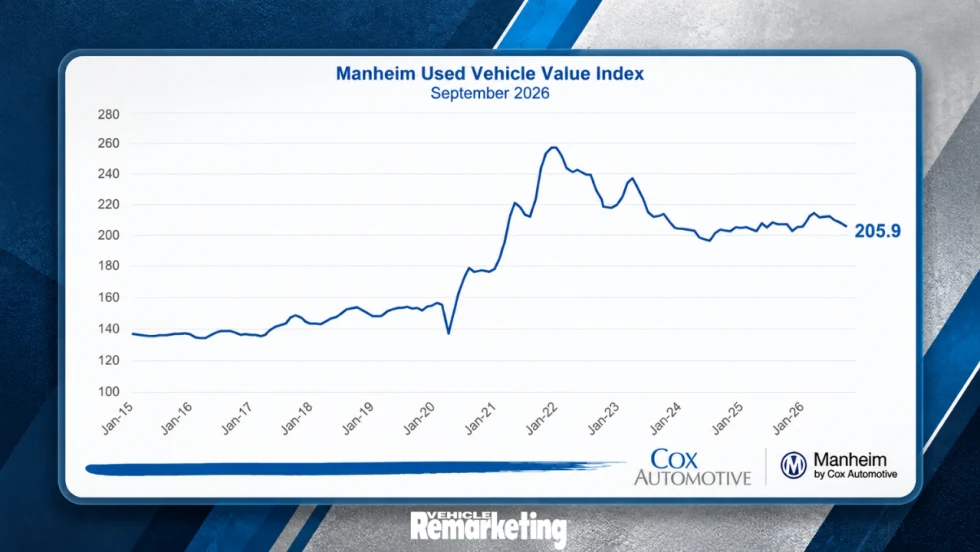
Wholesale Used-Vehicle Values Fall as Cox Automotive Cuts 2026 Forecast
Wholesale used-vehicle prices declined in September as depreciation accelerated, prompting Cox Automotive to lower its year-end forecast.
Read More →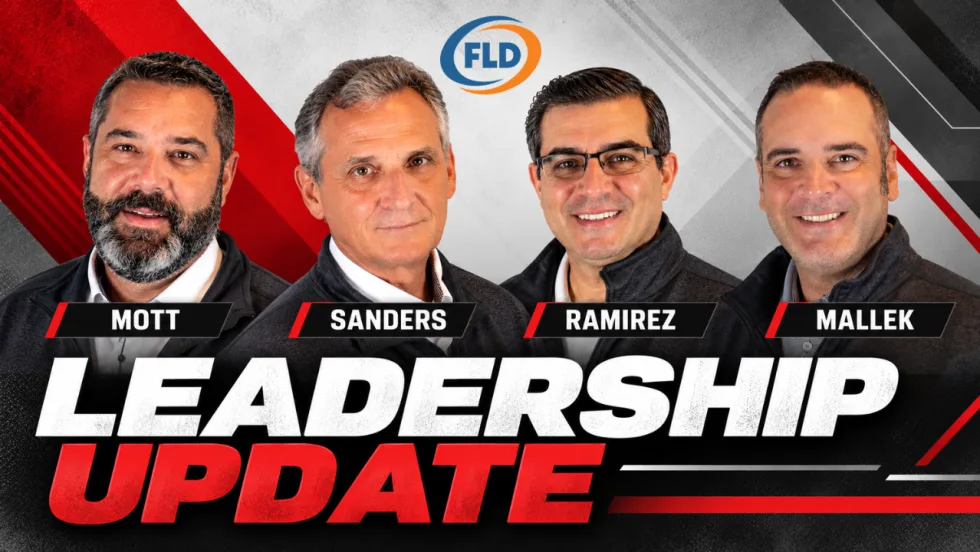
FLD Promotes Three Executives in Leadership Changes
FLD has promoted three longtime executives, naming Gary Mott CEO, Richard Mallek president, and Ron Sanders managing partner.
Read More →
Ford Pro Launches Certified Pre-Owned Program for Commercial Vehicles
Ford Pro Advantage will offer certified pre-owned Class 1-7 commercial vehicles through more than 700 Ford Pro Commercial Vehicle Centers.
Read More →
Copart to Acquire ACV in $1.9 Billion Deal
The acquisition would expand Copart beyond its traditional salvage business into dealer-to-dealer wholesale remarketing while adding ACV’s vehicle data, inspection, and valuation technology.
Read More →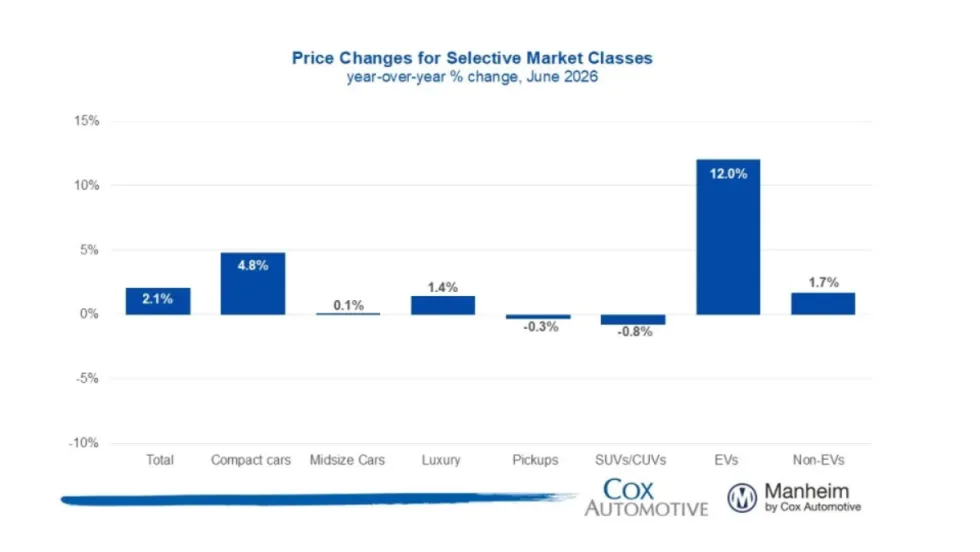
Manheim Index Shows Used-Vehicle Wholesale Prices Up 2.1% in June
The market is seeing stronger appreciation in older used vehicles this year, and the most affordable segments have been among the year’s best performers.
Read More →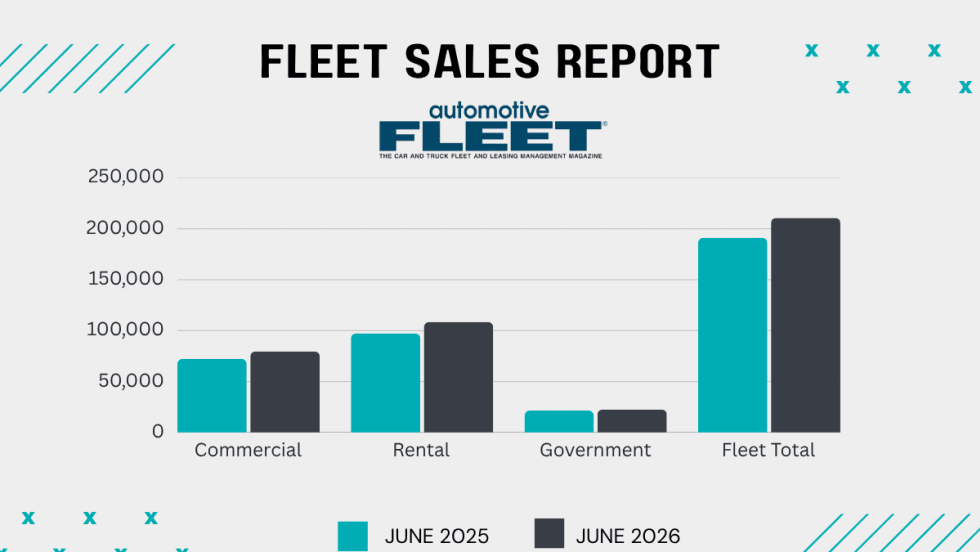
Commercial Fleet Sales Contribute To June, YTD Gains
The fleet sector has boosted its vehicle purchases at a reliable pace in the first half of this year compared with 1H 2025.
Read More →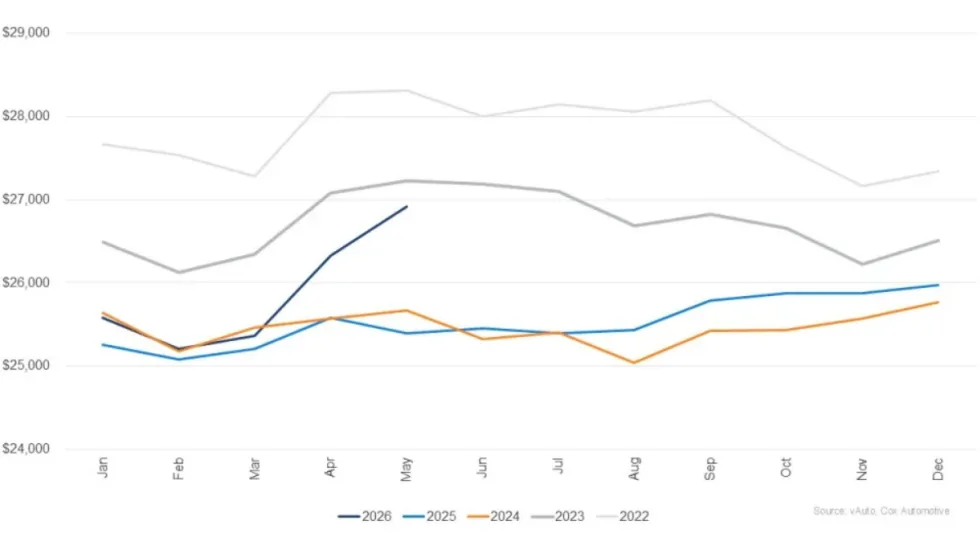
Used Vehicle Prices Climb Higher As Sales Pace Slows
The higher prices at used retail reflect strong wholesale values earlier in the spring, particularly for older, more affordable vehicles.
Read More →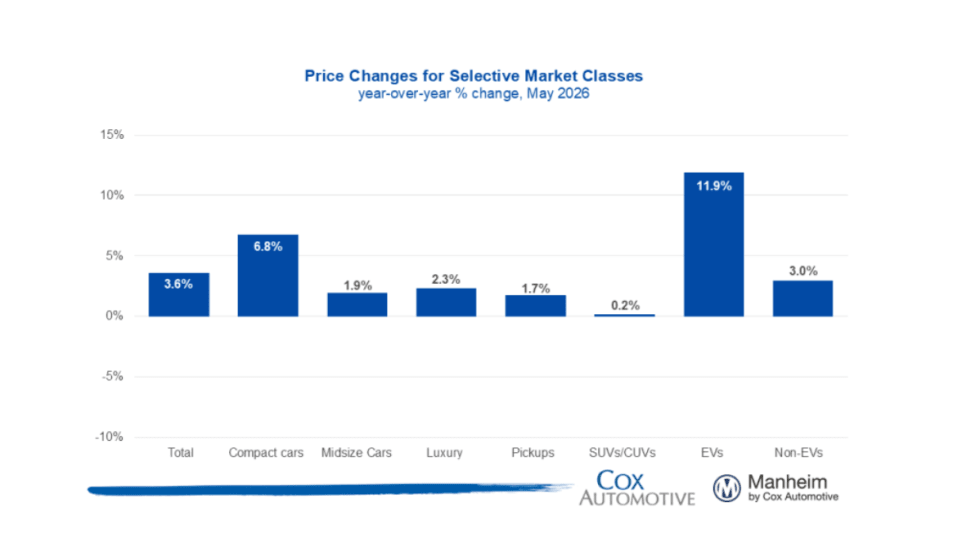
Wholesale Used Vehicle Market Sustains Moderate Rise In Values, Prices
Trends continue to normalize after a strong start to the year, as consumers contend with higher gas prices in the coming summer months.
Read More →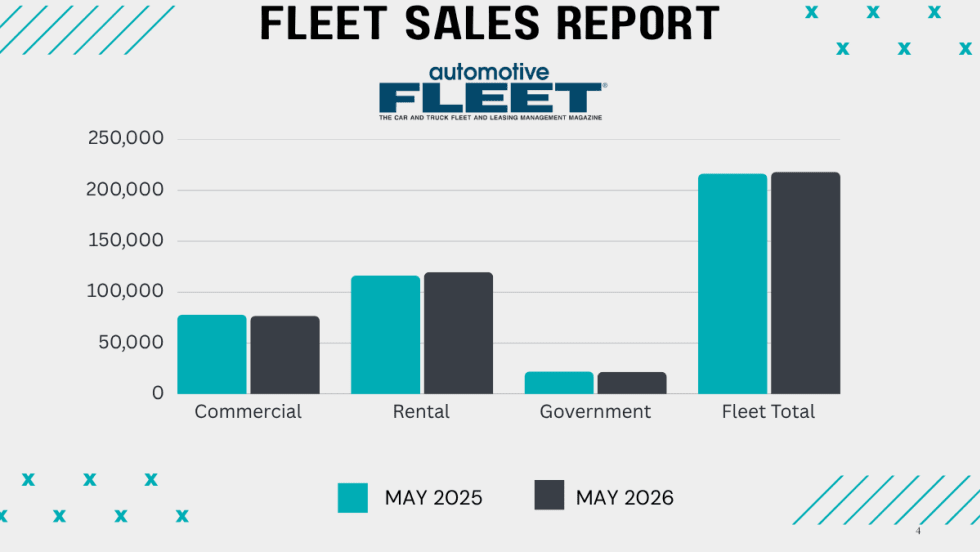
Commercial Fleet Sales Still Lead Sectors Despite May Mini Dip
The U.S. economy's continued growth and positive business investment are creating a favorable environment for fleet vehicle demand.
Read More →
How Connected Vehicle Data Is Lifting Fleet Resale Values
A vehicle health score could improve the value of fleet vehicles at remarketing. The path to a universal standard is forming, and fleets that understand the process early will be better positioned when it arrives.
Read More →