




NAFA CAFM Holders Earn 27% More
Fleet management professionals who have completed NAFA's Certified Automotive Fleet Manager (CAFM) program typically earn about a 27% higher salary than those who didn't attain the certification, according to a Monster.com survey.

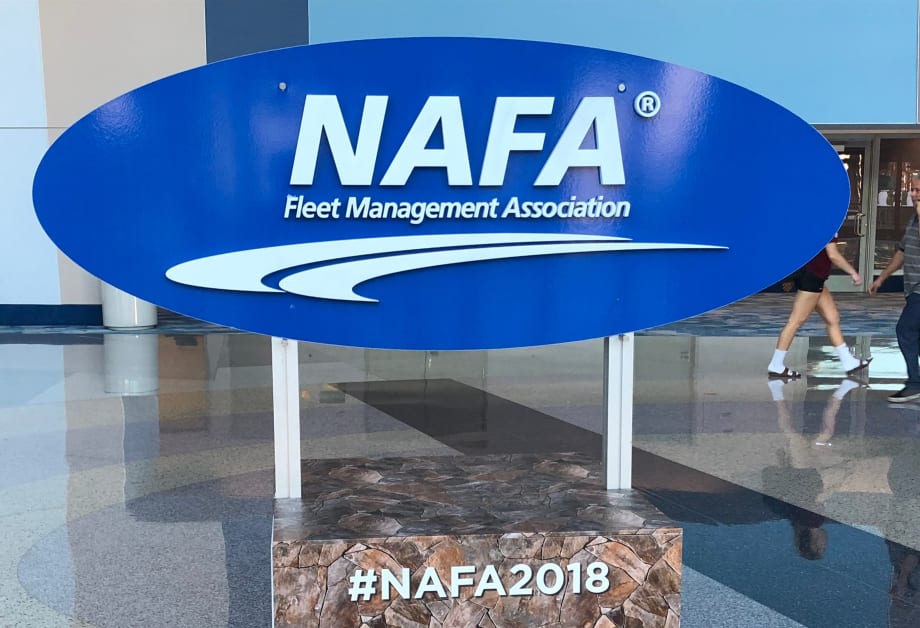
NAFA offers three certification programs based on the job requirements of fleet professionals.
Photo by Mike Antich.
Fleet management professionals who have completed NAFA's Certified Automotive Fleet Manager (CAFM) program typically earn about a 27% higher salary than those who didn't attain the certification, according to a Monster.com survey. The certification was named among the 10 best certifications to boost salaries.
To compile the rankings, online salary database PayScale.com provided Monster.com with the best certifications and the difference in annual pay between the certification haves and have-nots.
NAFA offers three certification programs based on the job requirements of fleet professionals. Fleet staff seeking to develop expertise in targeted areas, or begin the certification process, can pursue Fleet Discipline certificates for one or two aspects of fleet. The Certified Automotive Fleet Specialist (CAFS) designation is for those who are interested in four fleet disciplines. The CAFM program covers eight fleet disciplines.
More Operations
A buyer's guide to fleet management software in 2027
Buying fleet management software in 2027 means looking beyond features and price. As fleet operations, technology and expectations evolve, this guide explores what today’s fleet professionals should consider when choosing a system that can deliver value now and adapt to what comes next.
Read More →
What Will Shape the Next Era of Fleet Management?
EVs, AI, and autonomous vehicles are reshaping fleet management. Discover what’s ahead—and how fleet leaders can prepare for the next era.
Read More →
How Fleets Can Recruit and Train Veterans for Technician Roles
Here's how the technician shortage has affected uptime for fleets, and what to do about it.
Read More →

Avis Budget Group Deploys Neology Toll Management Technology Across Major Brands
Neology’s neoFleet platform will manage toll transactions and toll-authority operations for vehicles across Avis, Budget, Payless, Budget Truck and Zipcar.
Read More →
Fleet Personal-Use Charges Edge Higher in 2026
Nearly eight in 10 surveyed fleets allow personal use of company vehicles, while just over half of respondents report charging employees for the privilege.
Read More →
The Future of Fleet + What’s Changing Right Now | AF News Recap
Could developments overseas offer a preview of what’s coming for U.S. fleets? This week, we’re looking at the future of AI, autonomy, and electrification, plus Ford Pro’s new certified pre-owned program, smarter vehicle offboarding, and a new way for fleets to manage toll expenses.
Read More →
How to Handle Vehicle Offboarding
What do fleet managers need to do when a driver leaves?
Read More →
Fleet Manager’s Ultimate Playbook: Navigating the New Standard in OEM Connectivity
Rising operating costs, driver safety concerns, and unplanned downtime are putting unprecedented pressure on modern fleets. Discover how fleet managers use embedded OEM connectivity and real-time vehicle data to cut TCO, prevent downtime, and protect drivers without aftermarket telematics hardware.
Read More →
U.S. Bank Adds Verra Mobility Toll Management to Voyager Fleet Platform
The integration allows U.S. Bank Voyager fleet customers to manage toll payments and violations alongside fuel, EV charging and maintenance expenses.
Read More →
ADAS Prevents Crashes. But Repairs Cost More | AF News Recap
ADAS-equipped vehicles may crash less often, but they can cost more when they do. This week, we’re breaking down what that tradeoff means for fleets, plus Subaru’s first Forester Wilderness Hybrid, Nissan’s new e-POWER Rogue, and why Calstart has become Catalyst Mobility.
Read More →