




Related Photos: Audi's 2016 A3 Sportback e-tron
2016 Audi A3 Sportback e-tron
Audi entered the plug-in hybrid market with its 2016 A3 Sportback e-tron, a Euro-styled, roomy hatchback the automaker has been selling in the U.S. since late 2015.

Paul Clinton・Former Senior Web Editor
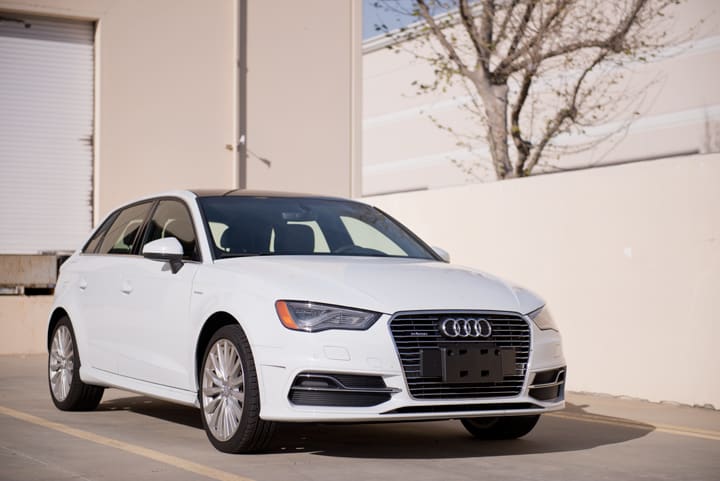
Photo by Vince Taroc.
3 min to read
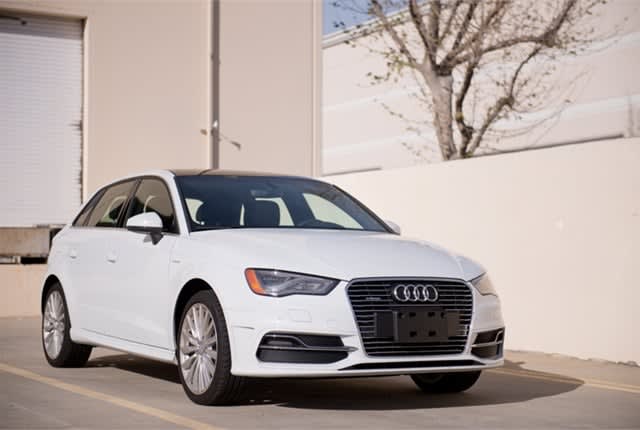
Photo by Vince Taroc.
Audi entered the plug-in hybrid market with its 2016 A3 Sportback e-tron, a Euro-styled, roomy hatchback the automaker has been selling in the U.S. since late 2015.
The vehicle's niche in the fleet world is still open for discussion, but it could see use by environmentally conscious technology companies in northern California, larger corporations seeking a "green" branded passenger car to send their sustainability message, or perhaps multinational firms based in Europe.
The A3 Sportback e-tron appeals to our greener nature with its four driving modes that allow the operator to set whether it functions in pure EV mode, hybrid mode to use the battery charge, "hold battery" mode to sustain the charge, or "charge battery" mode to increase the charge level.
These modes offer a level of interactivity not found in most hybrids, and allow the driver to customize the driving experience based on the trip. For city driving and short trips, the EV mode keeps the car at maximum efficiency, while for higher highway speeds, the charge battery mode restores precious charge. I used the hold battery mode for mid-range drives (of at least 40 miles) where I wasn't sure if I had a charging point.
The A3 e-tron also offers a Sport mode, which you can access by shifting to S via the MMI Interface. This mode will use all available power, and drain your charge quickly.
The vehicle is powered with a 1.4L TFSI engine that makes 150 hp and a 102-hp electric motor. A lithium-ion battery pack mounted under the rear seat provides 8.8 kilowatts per hour of energy storage. A 6-speed dual-clutch transmission directs power to the front wheels.
The A3 e-tron should provide about 16 electric miles with a total range of 380 miles, according to the EPA. I tested the EV range one way on a 23-mile commute, and I was down to one red bar on the charge indicator.
When you've spent the battery charge, find a 120-volt or 240-volt charger and head to the front of the vehicle. Twist a small dial, and the four-rings logo pops out and retracts to reveal a rubberized plug cover and several indicator lights. Plug in the charger here. A full Level I charge takes about eight hours, while a 240-volt Level II charge takes about 2 hours, 15 minutes.
The A3 e-tron provides plenty of comfort, and should be considered a top offering when compared to other hybrids and EVs that focus more on the technology that the creature comfort features. The A3 e-tron cabin feels roomy, even for a taller person. The buckets seats remain comfortable as the miles pile up. Cup holders are snug if perhaps a bit too far forward, and an adjustable arm rest provides support when needed.
The rear cargo area's 13.6 cubic-feet of storage fits more than you'd expect and should accommodate the needs of fleets with moderate hauling needs for sales collateral or other materials.
Subscribe to Our Newsletter
More Blog Posts
Why Should Fleets Choose the 2026 Mercedes-Benz GLC 300 SUV?
The GLC 300 offers corporate fleets attainable luxury, comfort, and practicality that transitions seamlessly to family duty.
Read More →
Fleet Review: Volvo EX90 & the Software-Defined Vehicle
Volvo’s new three-row electric SUV is designed for the corporate (and family) class.
Read More →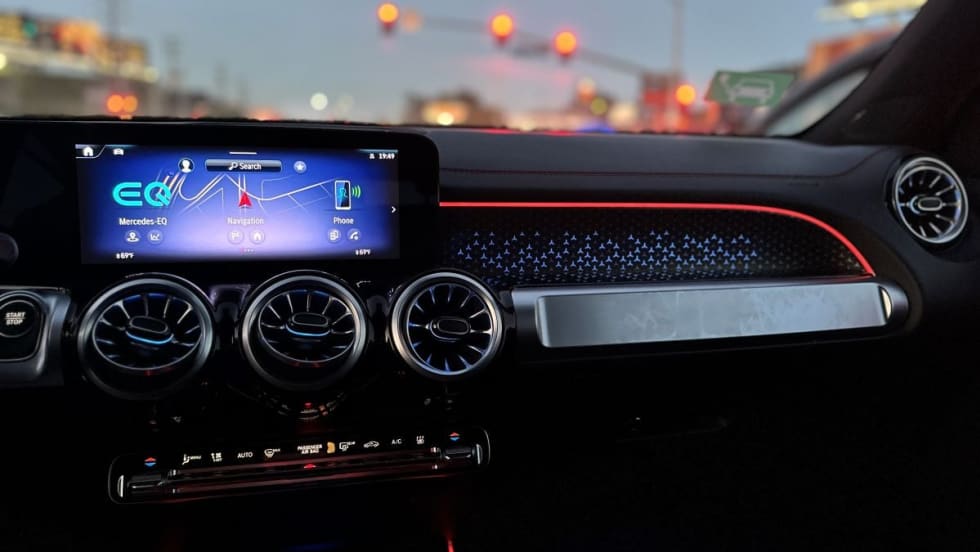
Fleet Review: Mercedes-Benz EQB 250+
With a reasonable entry point and the refinement of a Mercedes, The EQB 250+ defines “practical luxury” for fleets.
Read More →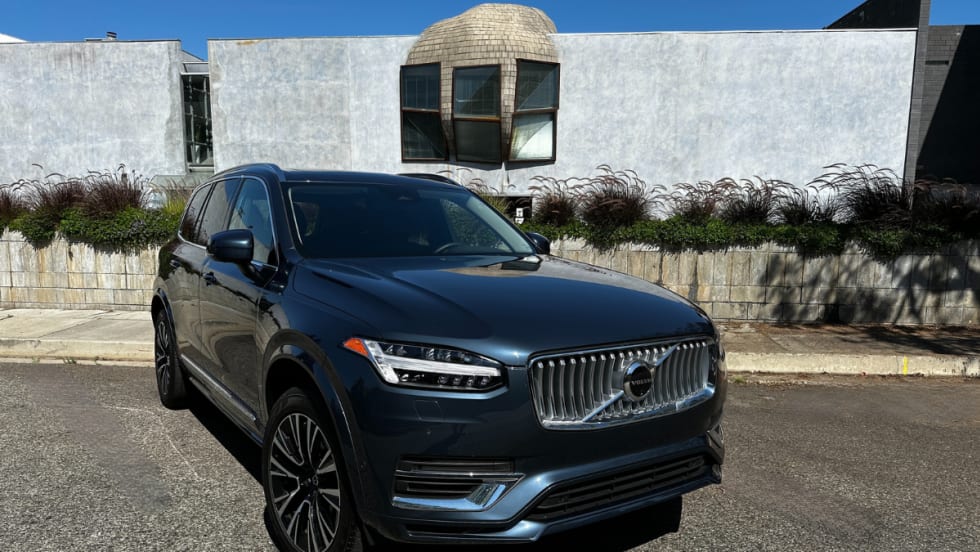
Fleet Review: Volvo XC60 & XC90 PHEVs
Volvo’s XC60 and XC90 plug-in hybrid models are stylish, safe, sustainable — and surprisingly fast.
Read More →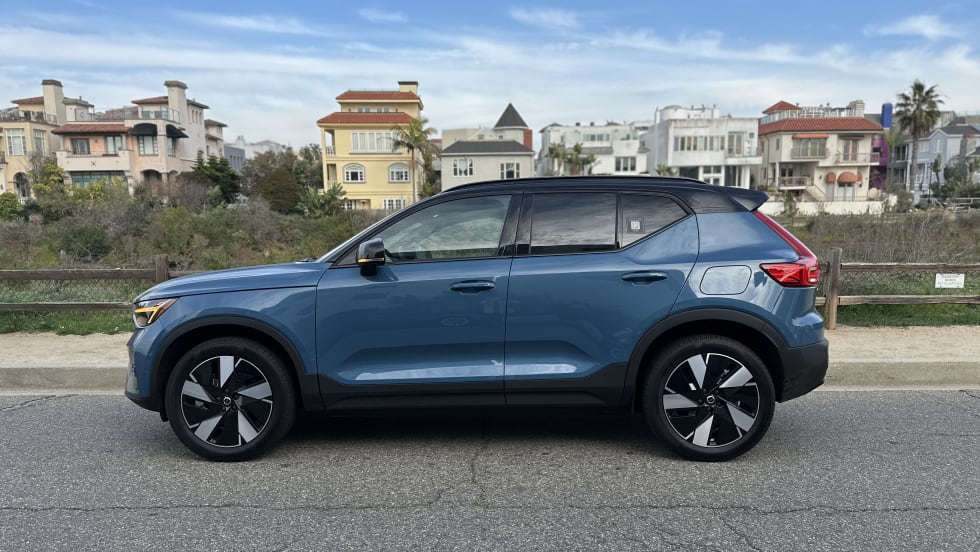
Fleet Review: Volvo XC40 Recharge
The Volvo XC40 Recharge offers fleets the familiar premium Volvo experience, electrified.
Read More →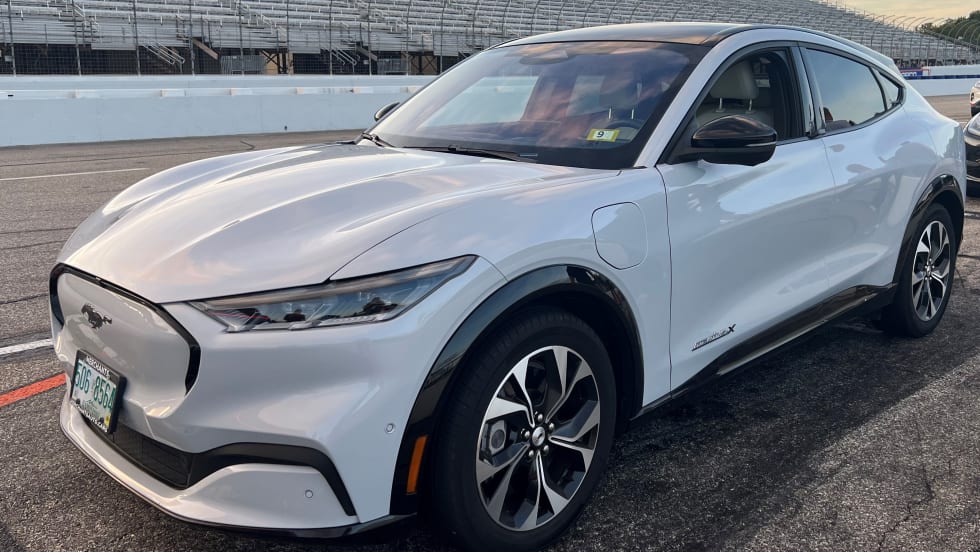
The 2023 Ford Mustang Mach-E Offers a Smooth Ride for New EV Drivers
A look at the bells and whistles on the car, plus how it drives, from the perspective of someone who’s never driven an EV.
Read More →
The 2022 Bolt EUV Lowers TCO While Meeting Sustainability Goals
The 2022 Bolt EUV expands Chevrolet’s EV lineup as a utility-type vehicle with a range of 250 miles on a full charge. It will be sold alongside the 2022 Bolt EV model. The Bolt EUV is approximately six inches longer than the Bolt EV.
Read More →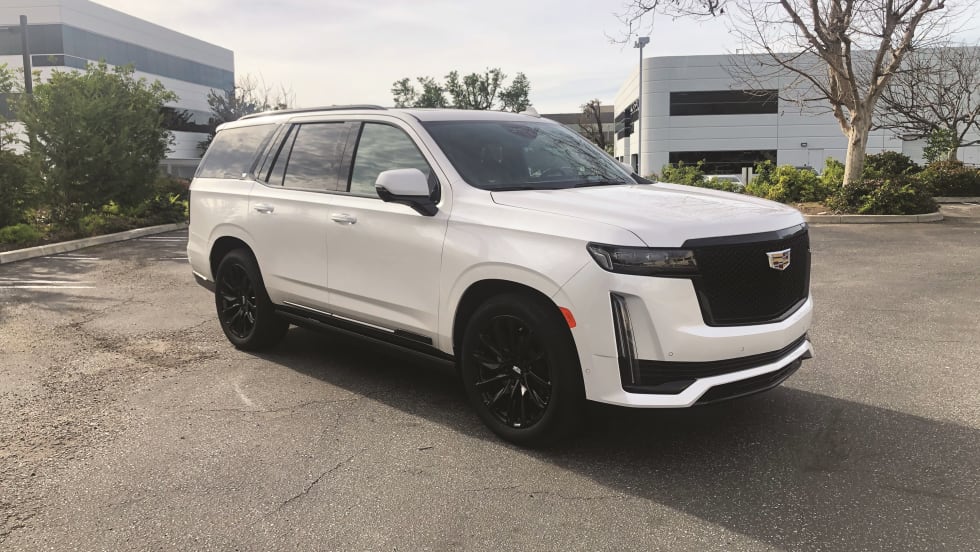
2021 Cadillac Escalade is C-Suite Material
The 2021 Cadillac Escalade 4WD Sport Platinum is the most expensive model sold by General Motors. But its brand cachet makes it the ideal pinnacle fleet vehicle to help retain high-value senior execs with a high-value luxury SUV.
Read More →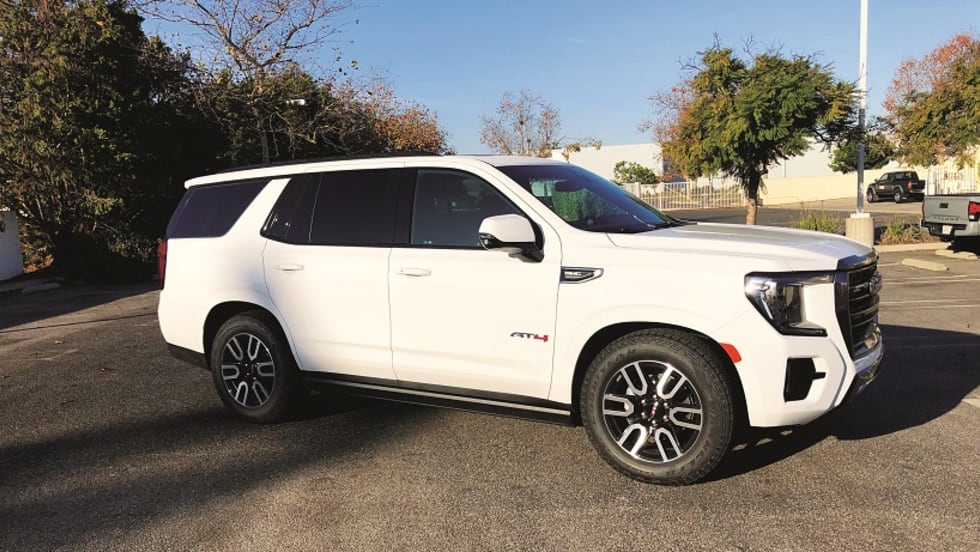
2021 GMC Yukon AT4 Excels as an Off-Road Crew Vehicle
Powered by a 5.3L V-8, generating 355 horsepower and 383 lb.-ft. of torque, the engine is paired to a10-speed automatic transmission. It is ideal for off-road work applications and can transport an eight-person work crew with tools and equipment.
Read More →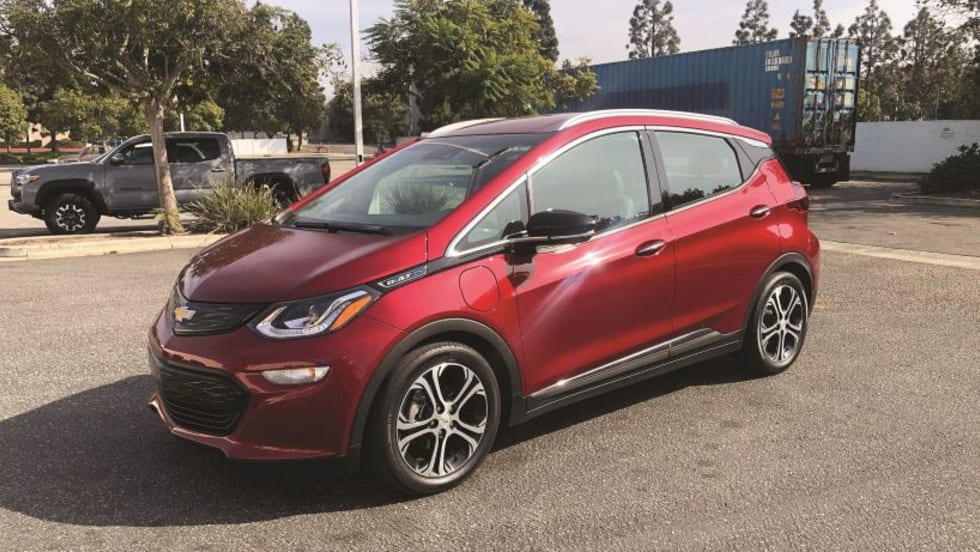
2020 Chevrolet Bolt EV Offers a Cure to Range Anxiety
The 2020 model-year Bolt EV increases its driving range on a full charge to an EPA-estimated 259 miles, which is up by 21 miles over the previous model. In addition, there is an impressive array of driver-assistance technologies.
Read More →