




2017 Fleet Management Trends: Automotive Industry
The coming year in the automotive industry will bring more connected fleet vehicles, increased use of alternative fuels, ride sharing as a cost-reduction strategy and more semi-autonomous features in new vehicles, according to fleet management company experts.

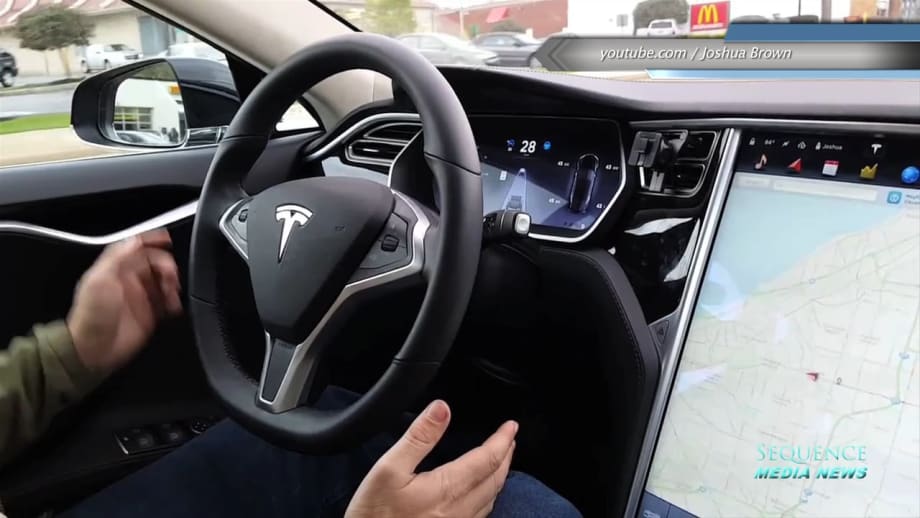
Photo of Tesla's Autopilot mode via Joshua Brown/YouTube.
Photo of Tesla's Autopilot mode via Joshua Brown/YouTube.
The coming year in the automotive industry will bring more connected fleet vehicles, increased use of alternative fuels, ride sharing as a cost-reduction strategy and more semi-autonomous features in new vehicles, according to fleet management company experts.
More connected vehicles will advance safety by reducing risky driver behaviors through the use of telematics and other vehicle-intelligent technologies, and by providing better data around vehicle utilization and diagnostics, said Zingha Lucien, manager of strategic consulting with Element Fleet Management.

Lucien
Vehicle connectivity will continue to have an impact on traditional fleet methodology for managing vehicles, said John Wuich, vice president of strategic consulting services with Donlen.
"Telematics and on-board connectivity, for example, have opened the door towards predictive driver and vehicle analytics," Wuich said. "Predictive analytics will advance strategies aimed at improving safety and compliance, reducing downtime and driving down spend."
And despite low fuel prices that aren't expected to significantly increase in 2017, Lucien expects greater investment in alternative fuels, mostly electrified and natural gas vehicles.

Wuich
"The infrastructure is improving, while the vehicle cost is decreasing/will decrease, thereby removing some of the barriers to employing such vehicles," Lucien said.
Ride sharing should play a greater role in fleet management as a way to minimize fleet costs.

Kandrysawtz
"This has pushed many companies to revisit driver eligibility," Lucien said. "What we would expect to see is an increase in pool vehicles for service fleets and drivers in urban locations. So rather than a 1-to-1 driver-to-vehicle ratio, we will see an increase in 1-to-many vehicle driver relationships."
And new vehicles will increasingly offer expanded semi-autonomous features as automakers advance toward autonomous driving after 2020, said Beth Kandrysawtz, CEO of Motorlease Corp.
"Features such as park assist and auto-pilot mode have allowed us to become more familar and comfortable with our vehicles acting on our behalf," Kandrysawtz said. "Moving toward 2020, we expect to see additional technology focused on security and keeping the information being gathered by autonomous driving and vehicles secure."
More Operations
A buyer's guide to fleet management software in 2027
Buying fleet management software in 2027 means looking beyond features and price. As fleet operations, technology and expectations evolve, this guide explores what today’s fleet professionals should consider when choosing a system that can deliver value now and adapt to what comes next.
Read More →
What Will Shape the Next Era of Fleet Management?
EVs, AI, and autonomous vehicles are reshaping fleet management. Discover what’s ahead—and how fleet leaders can prepare for the next era.
Read More →
How Fleets Can Recruit and Train Veterans for Technician Roles
Here's how the technician shortage has affected uptime for fleets, and what to do about it.
Read More →

Avis Budget Group Deploys Neology Toll Management Technology Across Major Brands
Neology’s neoFleet platform will manage toll transactions and toll-authority operations for vehicles across Avis, Budget, Payless, Budget Truck and Zipcar.
Read More →
Fleet Personal-Use Charges Edge Higher in 2026
Nearly eight in 10 surveyed fleets allow personal use of company vehicles, while just over half of respondents report charging employees for the privilege.
Read More →
The Future of Fleet + What’s Changing Right Now | AF News Recap
Could developments overseas offer a preview of what’s coming for U.S. fleets? This week, we’re looking at the future of AI, autonomy, and electrification, plus Ford Pro’s new certified pre-owned program, smarter vehicle offboarding, and a new way for fleets to manage toll expenses.
Read More →
How to Handle Vehicle Offboarding
What do fleet managers need to do when a driver leaves?
Read More →
Fleet Manager’s Ultimate Playbook: Navigating the New Standard in OEM Connectivity
Rising operating costs, driver safety concerns, and unplanned downtime are putting unprecedented pressure on modern fleets. Discover how fleet managers use embedded OEM connectivity and real-time vehicle data to cut TCO, prevent downtime, and protect drivers without aftermarket telematics hardware.
Read More →
U.S. Bank Adds Verra Mobility Toll Management to Voyager Fleet Platform
The integration allows U.S. Bank Voyager fleet customers to manage toll payments and violations alongside fuel, EV charging and maintenance expenses.
Read More →
ADAS Prevents Crashes. But Repairs Cost More | AF News Recap
ADAS-equipped vehicles may crash less often, but they can cost more when they do. This week, we’re breaking down what that tradeoff means for fleets, plus Subaru’s first Forester Wilderness Hybrid, Nissan’s new e-POWER Rogue, and why Calstart has become Catalyst Mobility.
Read More →