The recall affects 78 vehicles manufactured from April 7, 2014, to Aug. 3, 2015.
by Staff
March 8, 2016
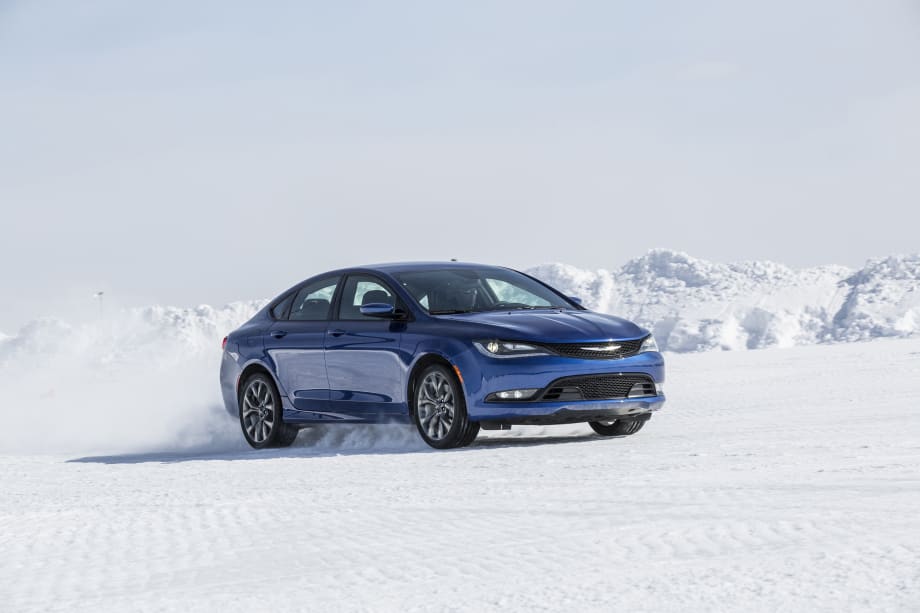
Photo of Chrysler 200 courtesy of FCA US.
1 min to read
Photo of Chrysler 200 courtesy of FCA US.
FCA US is recalling 78 2015 model-year Chrysler 200 vehicles so dealers can resolve a problem that might affect air bag deployment during a crash, according to the National Highway Traffic Safety Administration.
The sedans at issue were manufactured from April 7, 2014, to Aug. 3, 2015.
Ad Loading...
During service work, these vehicles may have had either the occupant classification module (OCM) or the seat cushion foam (SCF) of the front passenger seat replaced instead of both pieces together. They make up a complete calibrated set.
If the two pieces weren’t replaced together, the occupant detection and classification system may not be properly calibrated and the passenger air bag may deploy improperly in the event of a crash, NHTSA said.
Chrysler dealers will install a new OCM-SCF seat service kit, free of charge. Vehicle owners can reach Chrysler customer service at (800) 853-1403. Chrysler's number for this recall is S09.
Fleet drivers face constant visual, cognitive, and environmental interruptions the moment they hit the road. From roadside chaos to mental fatigue and digital overload, today’s biggest driving risks often come from outside the vehicle itself.
FLASH Weather AI has launched a first-of-its-kind hail prediction model capable of forecasting hail size and arrival time at 1-kilometer resolution up to 55 minutes ahead, giving fleets and insurers critical time to prepare for severe storms.
As litigation risk rises, vehicles are increasingly targeted. This Coca-Cola bottler shares how it’s reducing exposure through driver training, technology, and a proactive risk management approach.
From identity management to third-party certifications, the right technology partner should make security easier to manage. Here are the three building blocks that fleet managers need to stay in control as connected systems scale.
Distracted driving remains one of the most persistent risks in fleet operations. New approaches focus on removing mobile device use entirely while adding real-time safety support.
As distraction risks evolve, fleets are turning to smarter, more connected technologies to better understand what’s happening behind the wheel. Part 2 explores how these tools are helping identify risky behaviors and improve visibility across operations.
Distracted driving is often measured by what we can see—phones in hand, eyes off the road. But what about the distractions we can’t? A recent incident raises a bigger question about awareness, attention, and why subtle risks so often go unnoticed.