NHTSA proposes changes aimed at protecting occupants of smaller cars, and the public has until mid-February to offer feedback.
by Staff
January 4, 2016
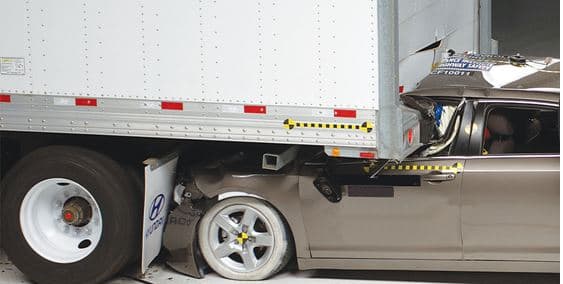
NHTSA is proposing tighter regulations aimed at preventing underride crashes. Photo courtesy of NHTSA.
2 min to read
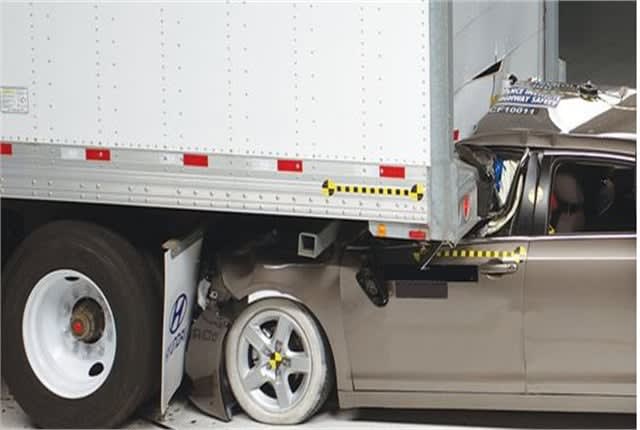
NHTSA is proposing tighter regulations aimed at preventing underride crashes. Photo courtesy of NHTSA.
The public has until Feb. 16 to submit feedback about proposed federal safety standard changes aimed at providing better underride protection for light vehicles when they rear-end big rigs.
The National Highway Traffic Safety Administration in December proposed to adopt new requirements like those in effect in Canada. Rear impact guards would need to provide enough strength and energy absorption to protect occupants of compact and subcompact passenger cars crashing into the rear of trailer and semi-trailer trucks at 35 mph.
Ad Loading...
Earlier in 2015, NHTSA proposed a separate rule change on rear underride crash protection and visibility conspicuity of single-unit trucks.
NHTSA has estimated that many new trailers sold in the U.S. are already in compliance with the more stringent requirements now under consideration. Most trailers and semitrailers are currently required to have bars, known as rear-impact guards, hanging down from the back of the trailer to prevent underride.
“NHTSA estimates, on average, that the annual incremental material and fuel cost would be $13 million to ensure that all applicable future trailers and semitrailers in the U.S. fleet will be built to the more rigorous standards,” the agency said.
In general, rear underride crashes occur when the front end of a car strikes the rear of a tractor-trailer or semitrailer truck and slides under it. In severe underride crashes, passenger compartment intrusion can result in severe injuries and even fatalities. A rear-impact guard prevents such intrusion when it engages the smaller striking vehicle and stops it from sliding too far under the truck’s bed and chassis.
To learn more about the proposed changes or to leave a comment, click here.
Fleet drivers face constant visual, cognitive, and environmental interruptions the moment they hit the road. From roadside chaos to mental fatigue and digital overload, today’s biggest driving risks often come from outside the vehicle itself.
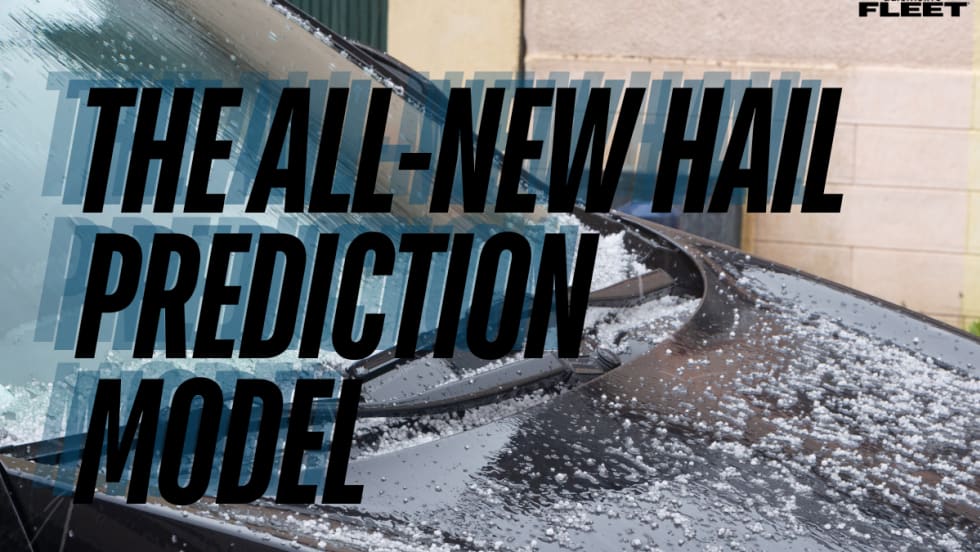
FLASH Weather AI has launched a first-of-its-kind hail prediction model capable of forecasting hail size and arrival time at 1-kilometer resolution up to 55 minutes ahead, giving fleets and insurers critical time to prepare for severe storms.
As litigation risk rises, vehicles are increasingly targeted. This Coca-Cola bottler shares how it’s reducing exposure through driver training, technology, and a proactive risk management approach.
From identity management to third-party certifications, the right technology partner should make security easier to manage. Here are the three building blocks that fleet managers need to stay in control as connected systems scale.
Distracted driving remains one of the most persistent risks in fleet operations. New approaches focus on removing mobile device use entirely while adding real-time safety support.
As distraction risks evolve, fleets are turning to smarter, more connected technologies to better understand what’s happening behind the wheel. Part 2 explores how these tools are helping identify risky behaviors and improve visibility across operations.
Distracted driving is often measured by what we can see—phones in hand, eyes off the road. But what about the distractions we can’t? A recent incident raises a bigger question about awareness, attention, and why subtle risks so often go unnoticed.