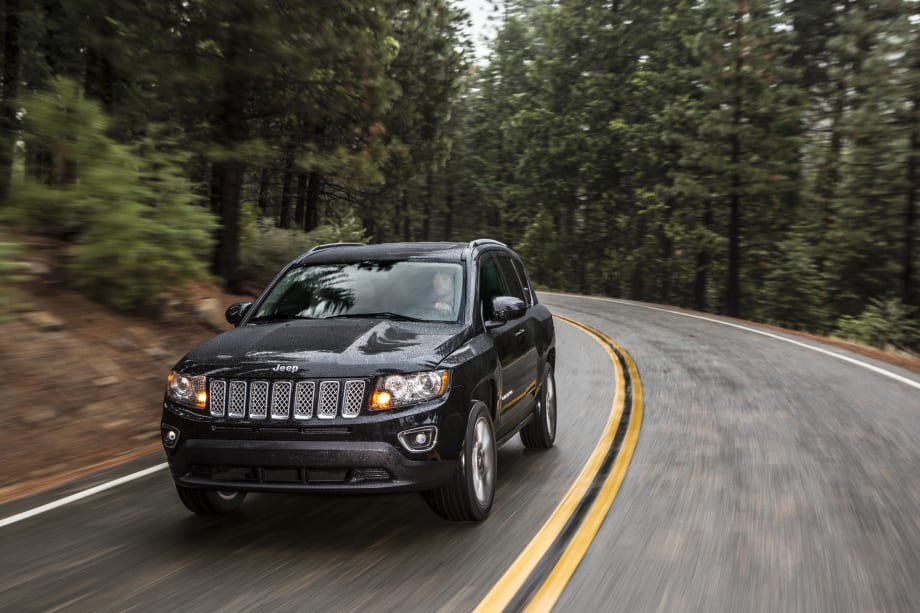
The recall covers more than 60,000 2015 model-year Jeep Compass and Patriot SUVs in the U.S.
by Staff
December 28, 2015
Photo of Jeep Compass courtesy of FCA US.
1 min to read
Photo of Jeep Compass courtesy of FCA US.
FCA US is recalling an estimated 60,107 2015 model-year Jeep Compass and Patriot SUVs in the U.S. so dealers can address a potential fire hazard arising from an out-of-position clamp.
In these vehicles, a clamp that secures a low-pressure return hose might be out of position, the automaker said in a released statement. This condition could permit loss of power steering fluid. Such fluid leaking onto a hot surface presents a potential fire hazard.
Ad Loading...
Dealers will fix the problem by making an inspection and, if needed, repositioning the clamp.
FCA (Fiat Chrysler Automobiles) US noted that it isn’t aware of any injuries or accidents linked to the problem.
“If the condition occurs, steering is not lost,” FCA US explained. “However, greater physical effort may be required to steer the vehicle. Customers who experience this and/or observe evidence of a fluid leak are urged to contact their dealers.”
Though reported incidents of such fluid leaks predominantly involve vehicles with very low mileage, FCA US is urging all notified vehicle owners to heed the instructions on the recall notice.
In addition to the vehicles in the U.S., the recall also covers 5,755 SUVs in Canada, 3,351 in Mexico, and 23,995 outside the NAFTA region.
Ad Loading...
The FCA US customer information center can be reached at (800) 853-1403.
Fleet drivers face constant visual, cognitive, and environmental interruptions the moment they hit the road. From roadside chaos to mental fatigue and digital overload, today’s biggest driving risks often come from outside the vehicle itself.
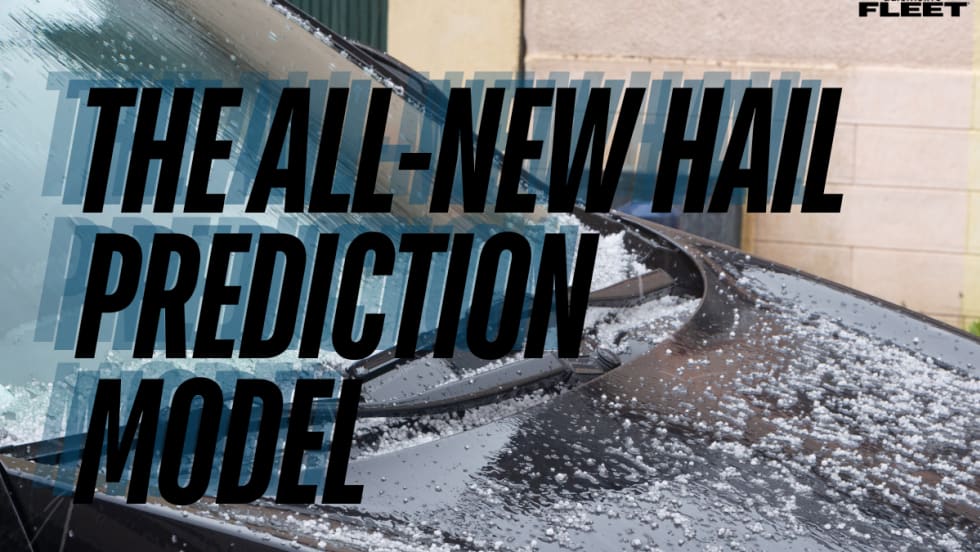
FLASH Weather AI has launched a first-of-its-kind hail prediction model capable of forecasting hail size and arrival time at 1-kilometer resolution up to 55 minutes ahead, giving fleets and insurers critical time to prepare for severe storms.
As litigation risk rises, vehicles are increasingly targeted. This Coca-Cola bottler shares how it’s reducing exposure through driver training, technology, and a proactive risk management approach.
From identity management to third-party certifications, the right technology partner should make security easier to manage. Here are the three building blocks that fleet managers need to stay in control as connected systems scale.
Distracted driving remains one of the most persistent risks in fleet operations. New approaches focus on removing mobile device use entirely while adding real-time safety support.
As distraction risks evolve, fleets are turning to smarter, more connected technologies to better understand what’s happening behind the wheel. Part 2 explores how these tools are helping identify risky behaviors and improve visibility across operations.
Distracted driving is often measured by what we can see—phones in hand, eyes off the road. But what about the distractions we can’t? A recent incident raises a bigger question about awareness, attention, and why subtle risks so often go unnoticed.