




Fleet Managers Making Safety Greater Focus
However, a new driver survey indicates the need for greater measures to combat such risks as distracted driving.

Distracted driving remains a challenge for fleet managers, despite an overall increase in driving safety training.

Distracted driving remains a challenge for fleet managers, despite an overall increase in driving safety training.
Though fleet safety is a growing priority in the corporate world, a recent survey found that 57 percent of company drivers in the U.S. still make phone calls while driving.
Meanwhile, the debate over driver use of mobile devices continues to intensify, with some fleet managers still weighing their options for a policy on distracted driving.
The driver survey, conducted by TNS for LeasePlan, questioned 3,377 company car drivers in 20 countries. LeasePlan is a leading fleet management and driver mobility company. TNS is a major marketing research provider.
Despite the persistent threat of distracted driving, the survey results underscore how companies are making driver training more accessible. Forty-five percent of American drivers said their employer regularly sends e-mails offering driving safety tips. Nearly a third (30 percent) of drivers questioned said they have the opportunity to attend courses and workshops – or take tests – on safe driving.
On a global scale, 29 percent of surveyed company drivers said their employer regularly provides safe driving information and tips.
“Influencing driver behavior is the next level of fleet optimization,” said Nathalie de Vries, senior consultant at LeasePlan. “We need to engage drivers to modify their behavior to meet various objectives in the area of safety, but also cost control and CO2 emissions.”
The company’s LeasePlan Monitor provides information about global mobility throughout LeasePlan’s network of companies in 32 countries. The goal is to make it easier for fleet decision makers to stay up to date on key developments and trends.
The LeasePlan Monitor shows North American companies take the lead in informing their lease drivers about safety: 73 percent of U.S. drivers surveyed said their employer informs them on this topic. In the U.S., only 16 percent of drivers said their company offers nothing on driver safety.
“At LeasePlan, safety is priority and a key initiative,” said Dan Shive, vice president of risk management for LeasePlan USA. “Finding the courage to stand up against driving dangers such as distracted driving is important. We try to give fleet managers the information and the tools to create a safe culture for their drivers.”
The survey also showed that compared to company drivers in other countries, American drivers demonstrate more caution when checking social media and sending messages.
Globally, governments and fleet managers are stepping up their efforts to inform drivers about the risks associated with using smartphones while driving, LeasePlan said.
LeasePlan USA has implemented a total cell phone ban policy for anyone who has a company vehicle or mobile device.
In addition, LeasePlan offers fleet managers help in promoting driver safety. LeasePlan can provide advice on implementing distracted driving policies to any interested company.
Survey participants were also queried on other topics related to safe driving. When questioned about what driver behaviors irritated them the most, American drivers expressed their displeasure with being cut off or tailgated. Less than 10 percent admitted that they have committed such driving gaffes themselves, while 80 percent said they have been on the receiving end. A total of 71 percent claimed that their driving style is the same regardless of whether they’re driving a lease vehicle or a personal vehicle.
The overall survey showed that fleet drivers in other countries share Americans’ disdain for tailgating. The survey results identified tailgating (24 percent) as the most annoying road behavior, followed by driving too slow (20 percent) and cutting off (17 percent).
But the ranking differed for each continent. Also, when questioned about the nationality of the worst drivers, nearly all drivers chose one other than their own.
More Safety
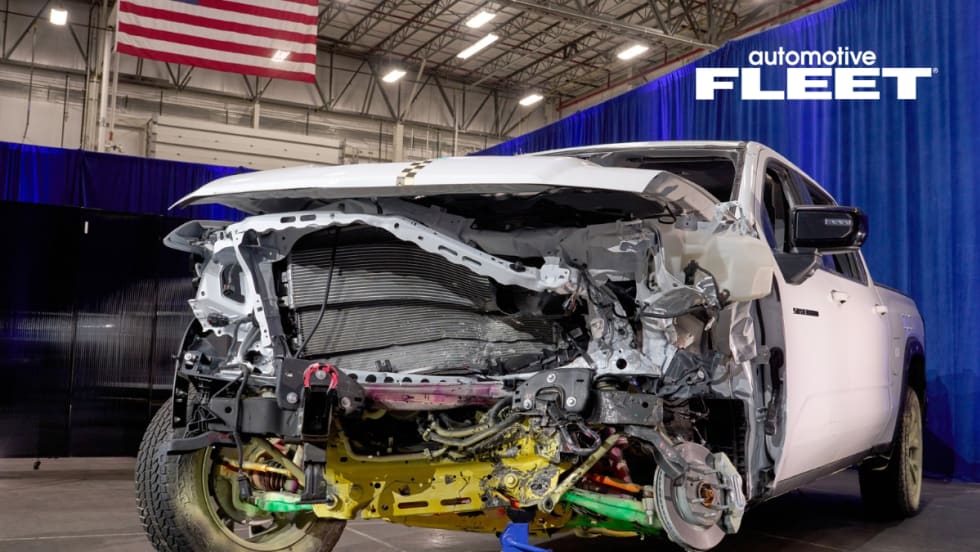
GM Conducts 92,000 Virtual Crash Tests for 2027 Chevrolet Silverado 1500
General Motors used computer simulations to evaluate crash scenarios, occupant protection and vehicle design variations before conducting physical crash tests.
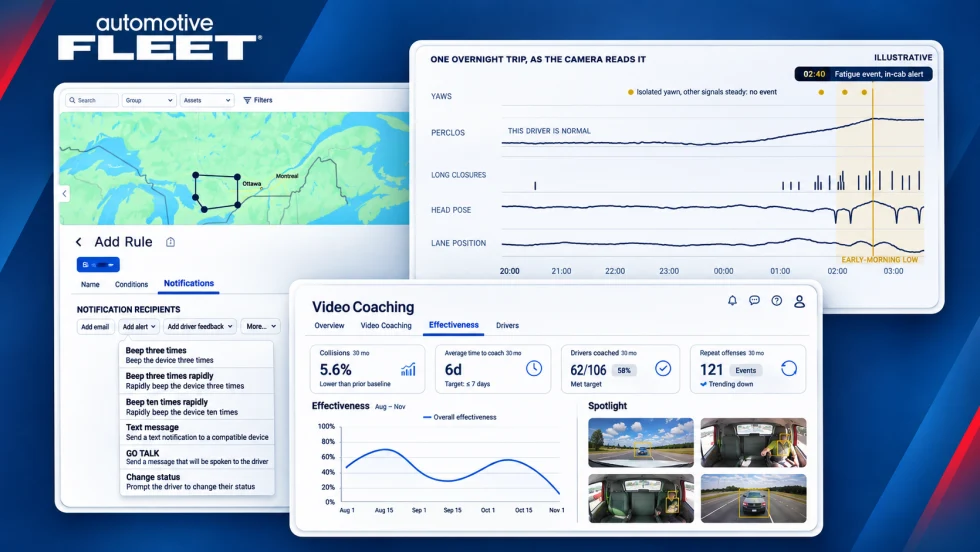
Geotab Adds AI-Powered Driver Coaching and Fatigue Detection Features
New capabilities include fatigue monitoring, two-way audio, coaching effectiveness analytics and location-based privacy controls for fleet safety management.
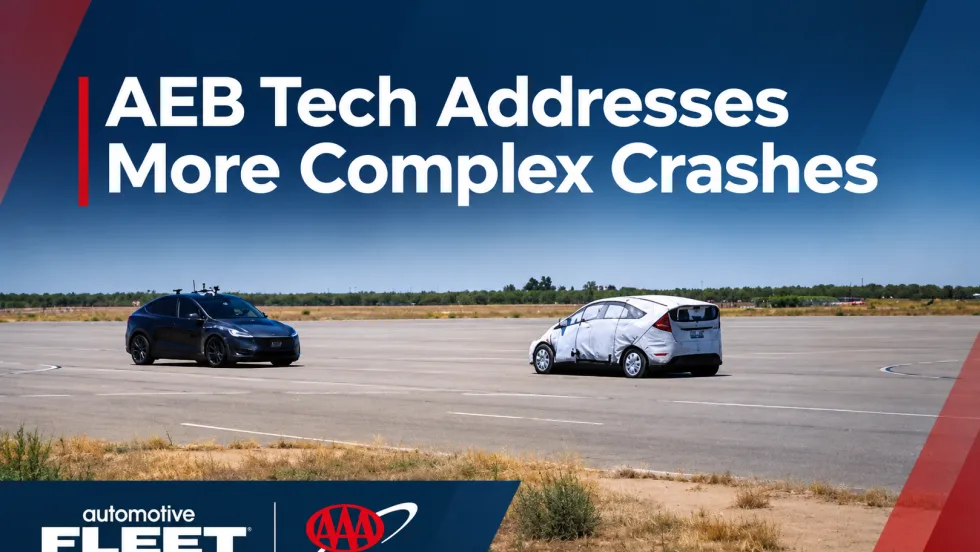
AAA Testing Finds Gaps in Intersection AEB Crash Prevention
Testing of four 2026 model-year vehicles found that automatic emergency braking prevented collisions in standardized intersection scenarios, but three vehicles failed to avoid crashes when another vehicle turned into their path.
Which Fleet Types Have the Highest Severe Speeding Rates?
New research from SambaSafety finds significant differences in speeding rates across fleet industries, even as nearly 90% of surveyed fleets report using telematics.
When a Cyberattack Hits Your Fleet: What Happens Next?
“You have two opportunities to test your plans: when you choose or when the threat actor chooses.” A cybersecurity expert reveals what fleet managers need to know before a cyberattack puts their operations at risk — and why the decisions made in the first moments can shape the entire recovery.
Tips for Driving Safely on Halloween Night
This video features a reminder from the Connecticut Department of Transportation (DOT) and the Connecticut Police Chiefs Association, urging drivers to prioritize safety this Halloween.
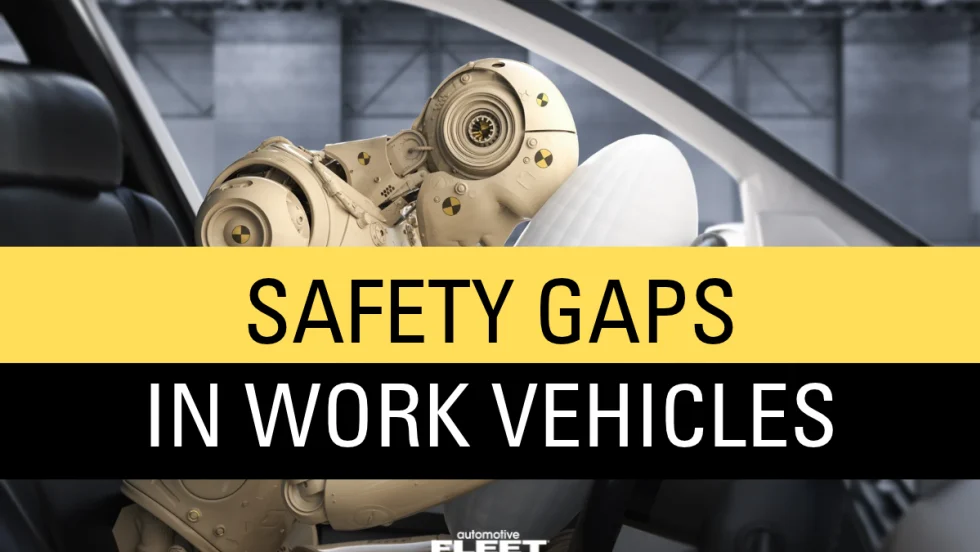
IIHS Crash Avoidance Tests Reveal Safety Gaps in Cargo Vans and Work Trucks
New IIHS crash avoidance ratings show uneven performance among cargo vans and heavy-duty pickups, with most struggling to avoid vehicle-to-vehicle collisions.
What’s Next for Fleet? Safety, AI & Industry Recognition | AF News Recap
Could your company's culture be encouraging distracted driving? This week, we're exploring how workplace expectations affect driver safety, what AI, EVs, and autonomous vehicles could mean for the future of fleet management, and how fleet professionals can strengthen their award nominations.

Does Your Fleet's Culture Encourage Distracted Driving?
What happens when the people responsible for enforcing safety rules are the ones setting the wrong example? The answer may reveal why some of the biggest risks to fleet drivers have little to do with what's written in the employee handbook.
Fleet Manager’s Ultimate Playbook: Navigating the New Standard in OEM Connectivity
Rising operating costs, driver safety concerns, and unplanned downtime are putting unprecedented pressure on modern fleets. Discover how fleet managers use embedded OEM connectivity and real-time vehicle data to cut TCO, prevent downtime, and protect drivers without aftermarket telematics hardware.