





Learn More: Use this tool to compare total cost of ownership for popular fleet models.
Fleet Costs Spike in First Quarter 2024
According to Vincentric, fleet costs per mile in all five vehicle categories accelerated higher in the first quarter of 2024 compared to the fourth quarter of 2023.
April 15, 2024
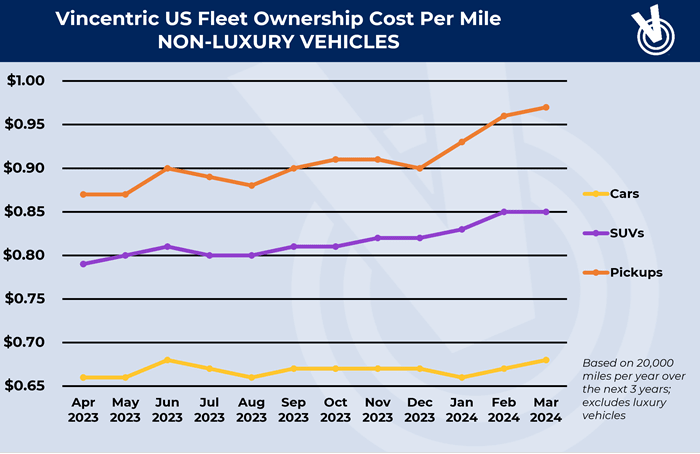
Ownership cost increases for the pickup category have outpaced cars and SUVs for the previous 12 months.
Chart: Vincentric
2 min to read
Welcome to the latest installment of Fleet Data Depot, which provides snapshots of information, trends, and analysis relevant to the fleet market.
The total cost of ownership experts at Vincentric deliver another quarterly update on per-mile ownership costs for fleets over the previous 12 months. These fleet cost-per-mile calculations are for the first quarter of 2024.
This analysis is based on vehicles driven 20,000 miles per year for three years. As usual, Vincentric calculates its standard eight cost elements: depreciation, financing, fees and taxes, fuel, insurance, maintenance, opportunity cost, and repairs.
Cost Per Mile Increases
The fleet costs per mile for all five vehicle categories increased substantially in the first quarter of 2024:
Luxury Car: increased by ~2.4%
Luxury SUVs: increased by ~6%
Passenger Cars: increased by ~1.5%
Pickups: increased by ~7.8%
SUVs: increased by ~3.7%
The first-quarter data is an acceleration of the price gains experienced in the fourth quarter of 2023 when prices increased in three of five categories. That fourth quarter reversed the third quarter trend, in which costs for most vehicle categories decreased slightly.
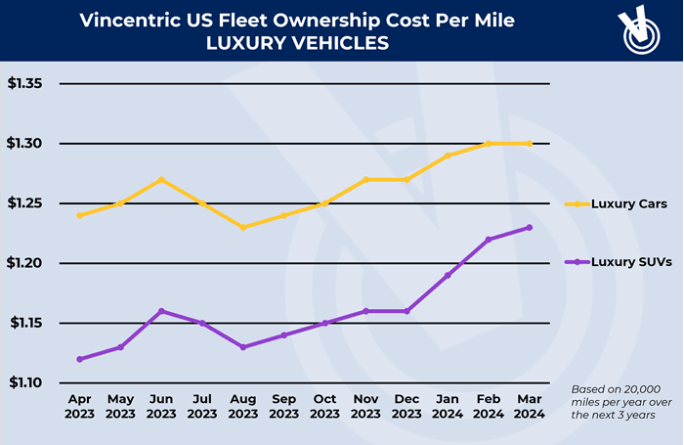
Ownership costs for luxury passenger cars and SUVs have been on an uneven yet steady rise over the past few quarters, with luxury SUVs seeing the most dramatic spike of any category. Depreciation is the biggest factor.
Chart: Vincentric
Depreciation Drives Increases
These increases in cost per mile were primarily caused by increases in depreciation costs, which ranged from 4% to 20%. This is primarily due to the high number of MY24 vehicles Vincentric received from its data provider since last quarter.
In January through March, Vincentric added about 400 new trims for the pickup category and 100 new trims for the luxury SUV category. This led to the luxury SUV and pickup categories having the biggest increases in depreciation costs, which contributed to their significant overall cost-per-mile increase.
Depreciation for the luxury SUV category increased 9.8% (from $0.51 per mile in January to $0.57 in April) and depreciation for the pickups category increased 20.9% (from $0.29 per mile in January to $0.35 in April).
More Remarketing
Wholesale Used-Vehicle Values Fall as Cox Automotive Cuts 2026 Forecast
Wholesale used-vehicle prices declined in September as depreciation accelerated, prompting Cox Automotive to lower its year-end forecast.
Read More →
FLD Promotes Three Executives in Leadership Changes
FLD has promoted three longtime executives, naming Gary Mott CEO, Richard Mallek president, and Ron Sanders managing partner.
Read More →
Ford Pro Launches Certified Pre-Owned Program for Commercial Vehicles
Ford Pro Advantage will offer certified pre-owned Class 1-7 commercial vehicles through more than 700 Ford Pro Commercial Vehicle Centers.
Read More →
Copart to Acquire ACV in $1.9 Billion Deal
The acquisition would expand Copart beyond its traditional salvage business into dealer-to-dealer wholesale remarketing while adding ACV’s vehicle data, inspection, and valuation technology.
Read More →
Manheim Index Shows Used-Vehicle Wholesale Prices Up 2.1% in June
The market is seeing stronger appreciation in older used vehicles this year, and the most affordable segments have been among the year’s best performers.
Read More →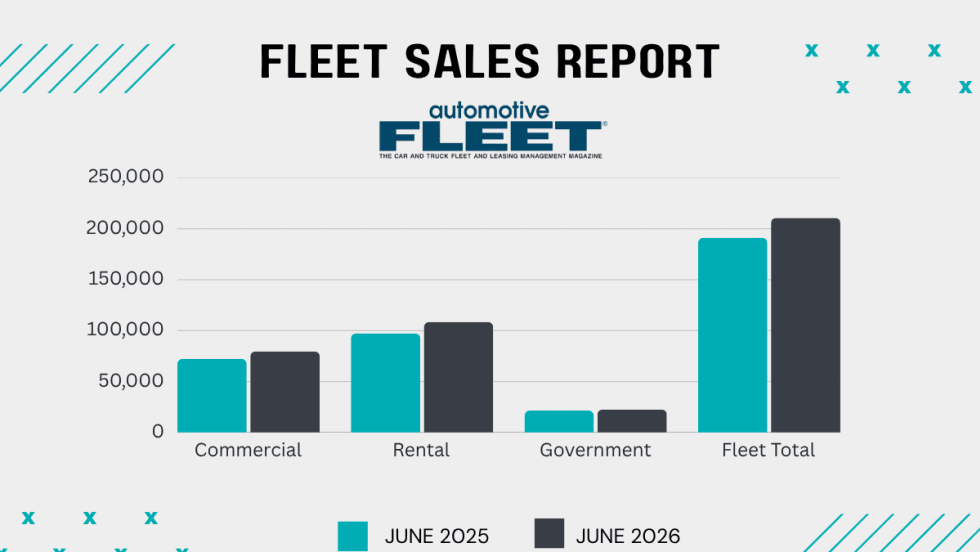
Commercial Fleet Sales Contribute To June, YTD Gains
The fleet sector has boosted its vehicle purchases at a reliable pace in the first half of this year compared with 1H 2025.
Read More →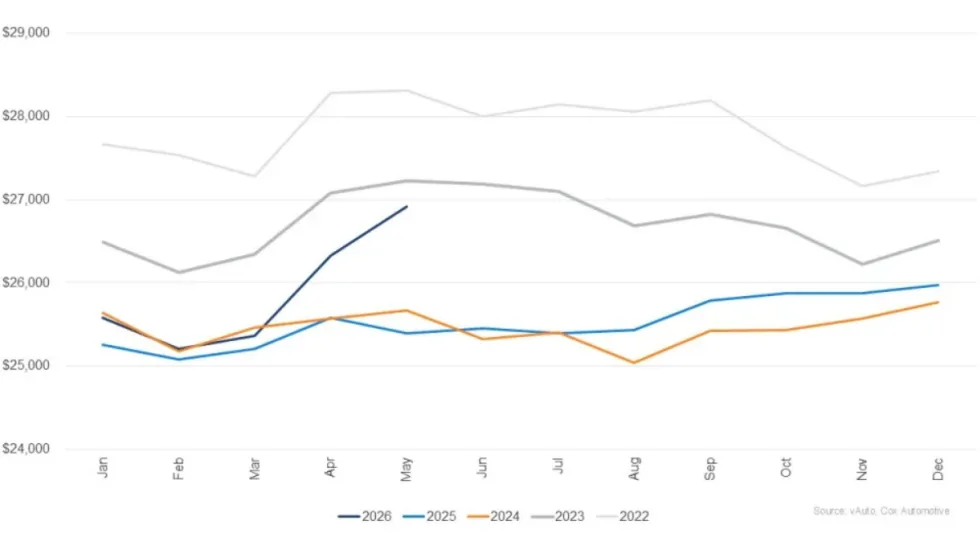
Used Vehicle Prices Climb Higher As Sales Pace Slows
The higher prices at used retail reflect strong wholesale values earlier in the spring, particularly for older, more affordable vehicles.
Read More →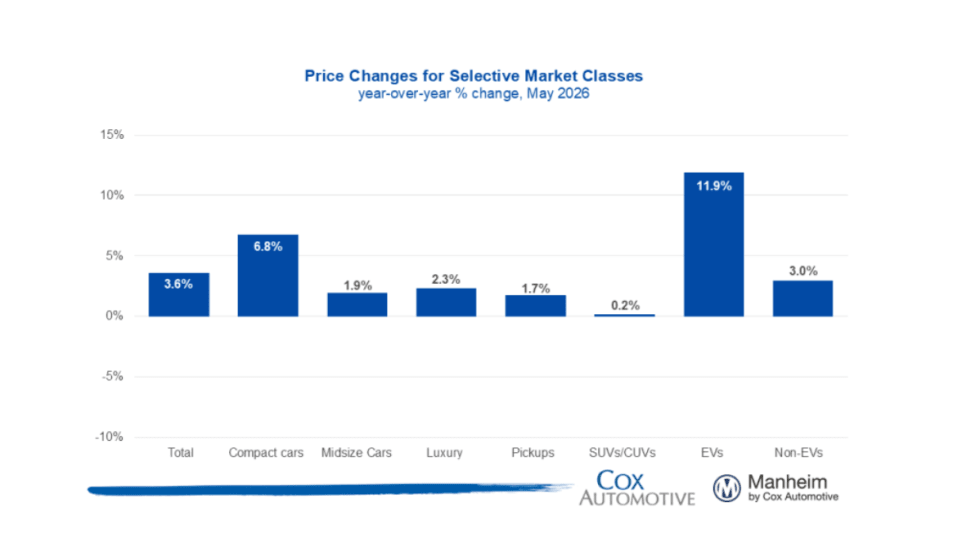
Wholesale Used Vehicle Market Sustains Moderate Rise In Values, Prices
Trends continue to normalize after a strong start to the year, as consumers contend with higher gas prices in the coming summer months.
Read More →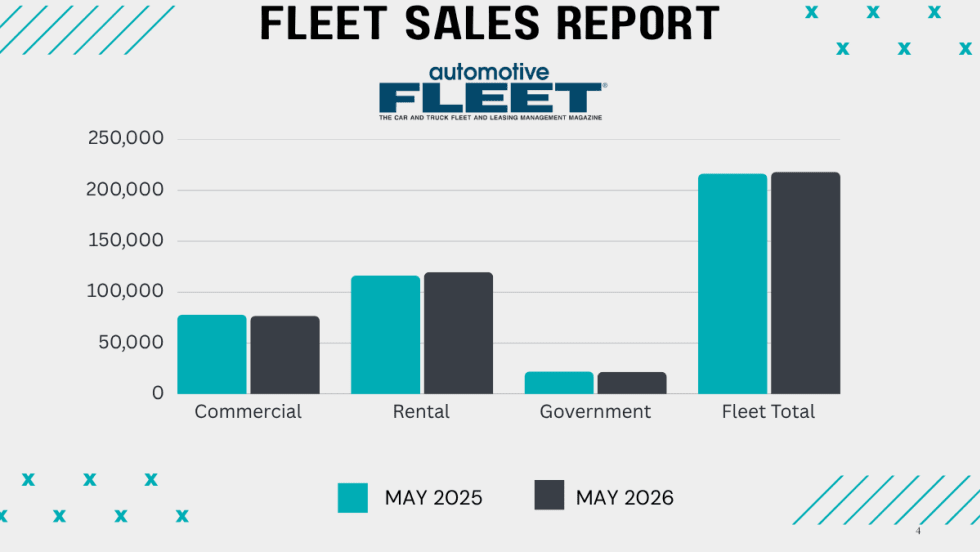
Commercial Fleet Sales Still Lead Sectors Despite May Mini Dip
The U.S. economy's continued growth and positive business investment are creating a favorable environment for fleet vehicle demand.
Read More →
How Connected Vehicle Data Is Lifting Fleet Resale Values
A vehicle health score could improve the value of fleet vehicles at remarketing. The path to a universal standard is forming, and fleets that understand the process early will be better positioned when it arrives.
Read More →