




What Is OCPP and Why Does it Matter to Fleets?
Fleet charging introduces new challenges for fleet managers. EV fleet operators may benefit from implementing Open Charge Point Protocol.
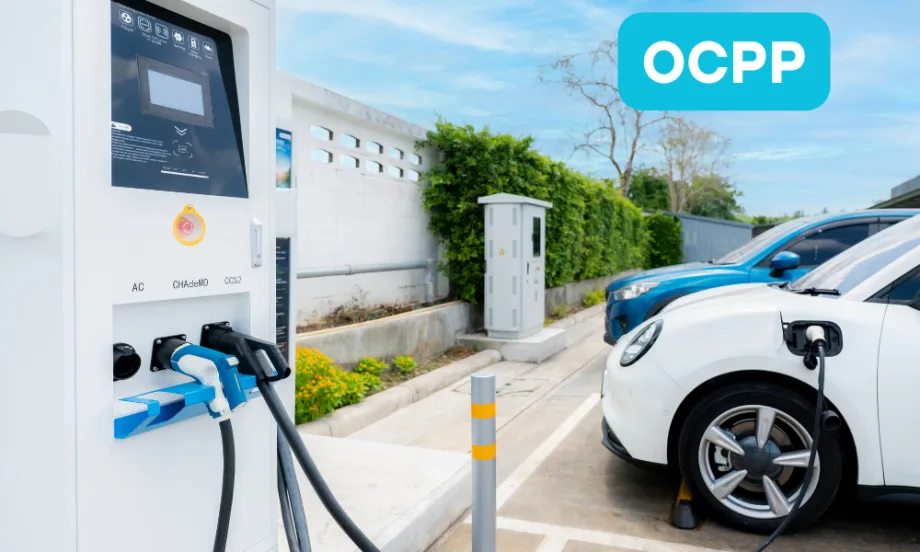
OCPP is a protocol that outlines the requirements for standardized EV charger management software.
Photo: FF
Peek your head into a gated parking lot in San Francisco or Phoenix, and you may see a fleet of Waymo’s electric Jaguar I-PACEs plugged in to charge.
While these cars are unique in their ability to autonomously drive back to their station when they’re running low on power, they represent a growing trend in the fleet industry: electrification.
The U.S. expects to have more than 4.2 million electric light commercial vehicles, trucks and buses on the roads by 2030, up from just 28 thousand in 2021, according to Statista.
Today, there are nearly that many electric vehicles (EVs), including passenger cars, in the country.
So, what can these cars reveal about the issues fleets might face as they transition from internal combustion engines to EVs? The biggest lesson learned is that charging is a major problem.
Charging and Fleet Electrification
EV chargers require charger management software that communicates between the hardware and the back end.
This communication is essential for fleets that may have hundreds or thousands of chargers spread across physical locations.
EV charger management software lets operators provision and remotely control charging equipment, manage energy consumption and throughput, and monitor charger equipment uptime, power levels and degradation.
Fleet charging introduces new challenges that passenger vehicles generally don’t experience. Most passenger vehicles are charged at the driver’s house or at a public charging station that has five or fewer chargers.
And if a consumer can’t charge immediately, it’s a hassle and headache. But fleets are charged simultaneously with hundreds or thousands of other cars.
This requires a greater amount of concentrated energy and intelligent load balancing to prevent charging issues. And sidelined EV fleet vehicles are more than a hassle — they hit the business’s top and bottom line.
Why OCPP Needs to be Part of a Fleet Electrification Strategy
The majority of charger management software is built to a standard called Open Charge Point Protocol (OCPP), created by the Open Charge Alliance (OCA).
Public chargers for passenger vehicles are largely built to OCPP 1.6 — an old version that left a lot of room for interpretation.
A big issue with OCPP 1.6 is that it doesn’t require real-time monitoring, which may be a reason that 20% of public chargers in major U.S. cities don’t work.
In 2019, OCA released OCPP 2.0.1, which includes upgrades to boost the reliability of chargers and increase interoperability, security and scalability.
Building to OCPP 2.0.1
OCPP is a protocol that outlines the requirements for standardized EV charger management software, but it’s up to users to implement it.
EV fleet operators have two options for implementation — they can work with a vendor to build a bespoke solution, or they can adopt open source software that’s OCPP 2.0.1 compliant.
Open source software is freely available for use and modification by the public. The concept has been widely adopted in the tech industry with famous projects like Linux, the operating system used by Facebook and YouTube.
Now, open source is gaining traction in critical infrastructure as utility companies rapidly embrace it for digital transformation and grid modernization.
And in the EV industry, Tesla, S44 and PIONIX have launched open source projects to make standardized charging more accessible across the industry.
For fleets, open source software provides many benefits, including:
Customization: Adopting OCPP 2.0.1-compliant software gives fleets a solid foundation that can be used on its own or built on top of to address unique requirements.
Cost optimization: Open source software is free for anyone to use. Even if fleet operators augment it, it reduces the initial cost of building from scratch.
Maintenance: Open source software is maintained and improved by the community. Contributions from multiple stakeholders ensure the software is regularly updated and capable of addressing varying use cases.
De-Risk Going Electric With Open Standards and Software
The United States has set a goal to meet net-zero emissions by 2050. A big part of that initiative is the electrification of vehicles, of which fleets make up a large percentage.
To date, charging has been a major barrier to entry, but open standards and open source software are helping improve charging infrastructure. For fleets, adopting OCPP 2.0.1-compliant software ensures that chargers will be reliable, scalable, and secure.
More Fleet Forward
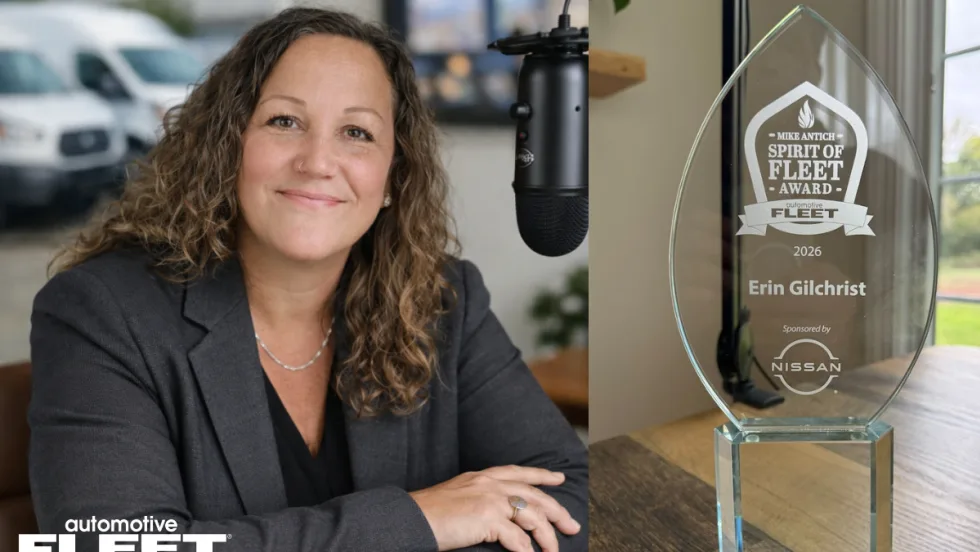
Erin Gilchrist Receives Mike Antich Spirit of Fleet Award
Last week at AFLA in Vegas, Erin Gilchrist received the inaugural, brand-new Spirit of Fleet Award.
Read More →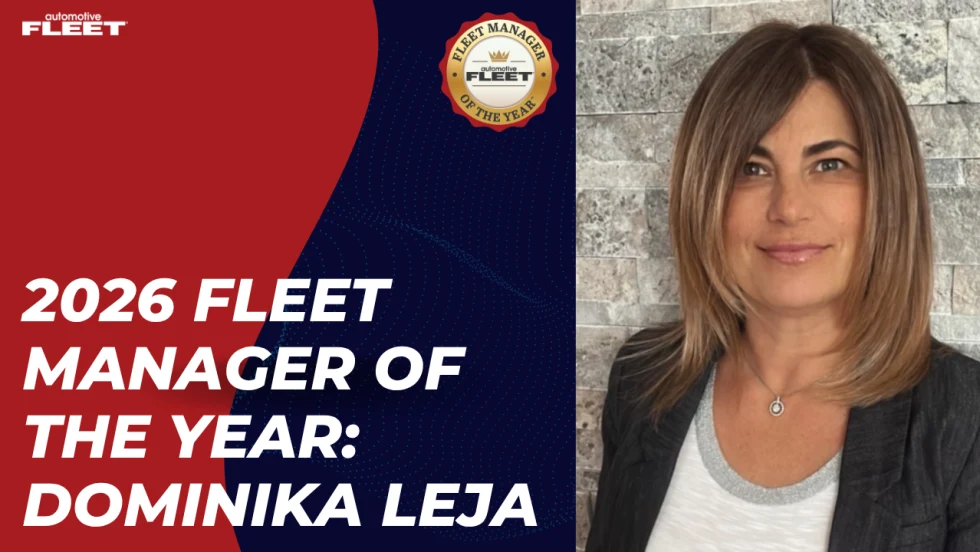
Dominika Leja Named the 2026 Fleet Manager of the Year
The AstraZeneca associate director of fleet was recognized for her leadership in fleet electrification, cost savings, and operational transformation.
Read More →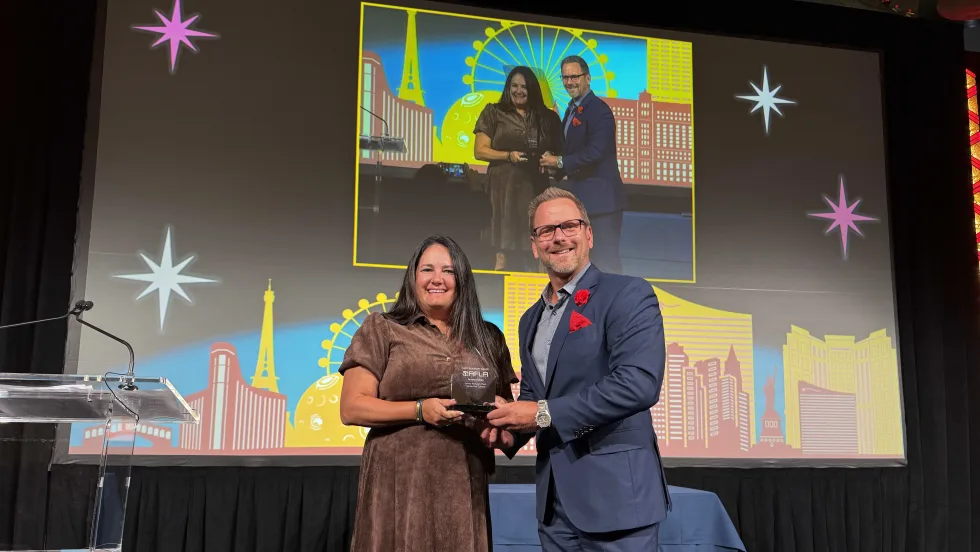
Jamie McKay Named the 2026 Fleet Visionary Award Winner
The Aptive Pest Control fleet manager was recognized for her approach to operations, data, lifecycle management, and driver needs.
Read More →
Fleet Forward Conference Introduces One-Day Passes for 2026
New one-day registration gives fleet professionals the flexibility to attend Tuesday, Wednesday, or Thursday, with passes available for $199 through Sept. 18.
Read More →
Vibe Coding: When Fleet Managers Become Software Builders
Five fleet professionals — none with programming skills — discuss how they’re using AI to build fleet solutions in-house and in a fraction of the time.
Read More →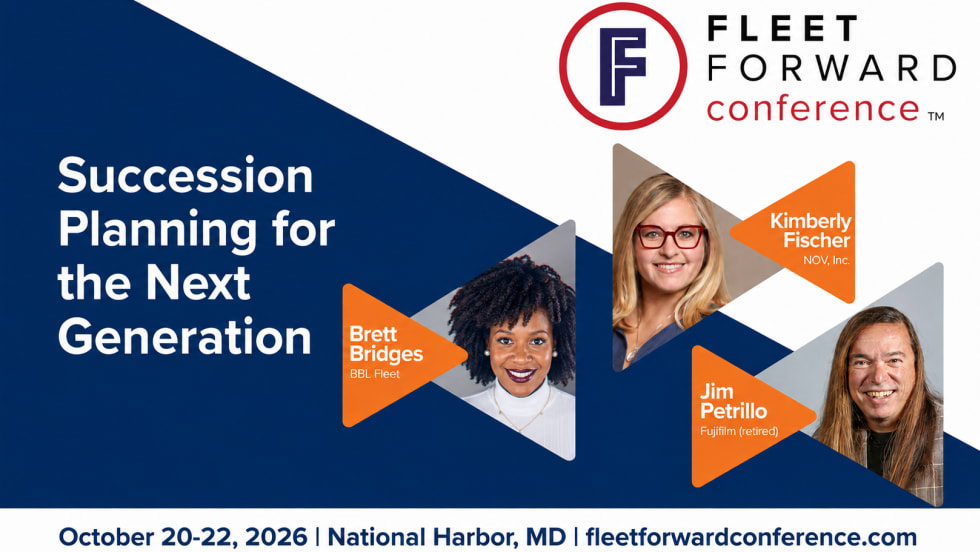
Fleet Forward Conference Tackles Fleet Industry’s Growing Leadership Gap
This session will examine succession planning, knowledge transfer, and the skills the next generation of fleet leaders will need as veteran professionals leave the industry.
Read More →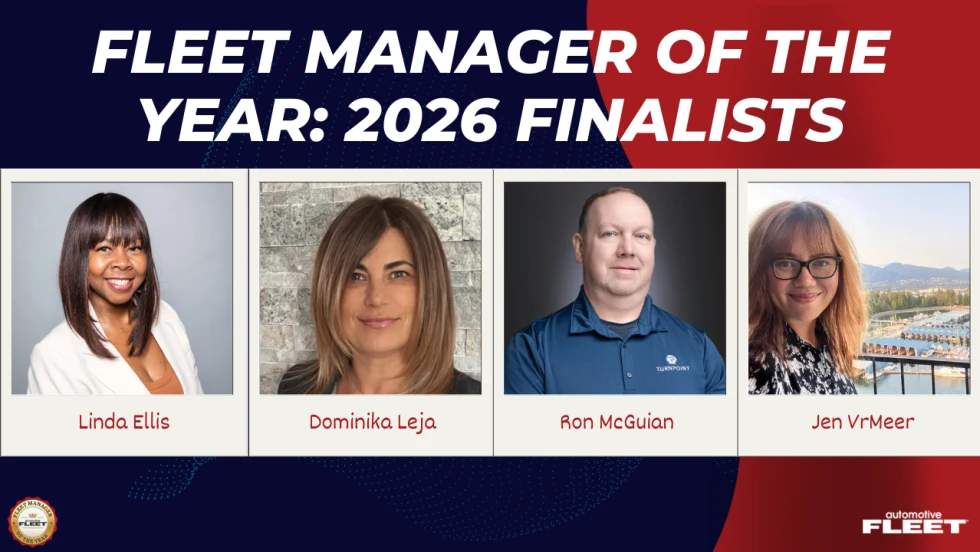
2026 Fleet Manager of the Year Finalists Announced
Who are the 2026 Fleet Manager of the Year finalists?
Read More →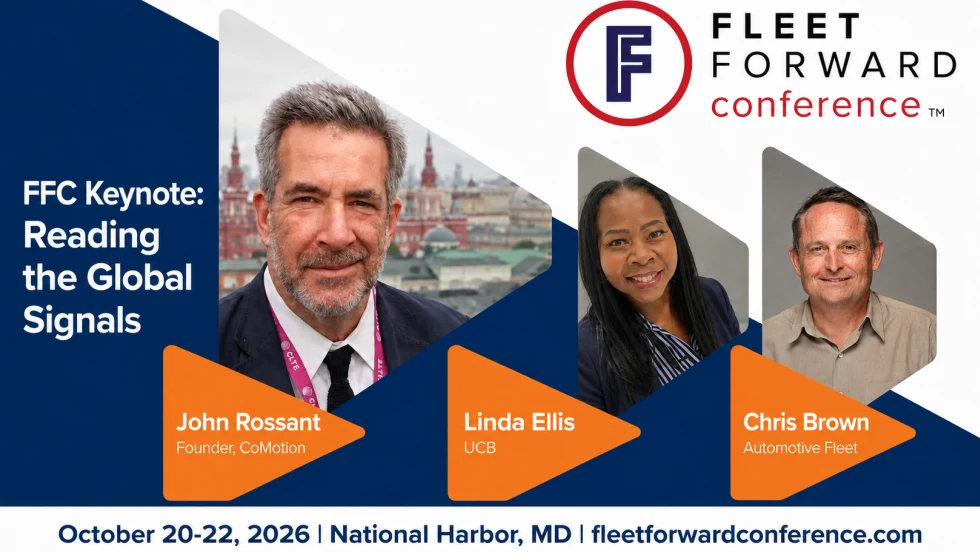
John Rossant to Deliver Opening Keynote at 2026 Fleet Forward Conference
The CoMotion founder will draw on developments across Europe, China, the Middle East, and other international markets to identify trends that could influence how U.S. fleets plan for the coming decade.
Read More →
How to Build Custom Fleet Tools With AI and Vibe Coding [Webinar]
A new Automotive Fleet webinar explores how fleet managers are using AI and vibe coding to automate routine work and create simple operational tools without traditional programming skills.
Read More →