





See Also: U.S. Ranks Third as Most Dangerous Country to Drive
Thanksgiving Most Hazardous Holiday for Driving
A new report from Zutobi explores the worst holidays for driving and reasons why Thanksgiving ranks as the most dangerous of all.
November 18, 2022
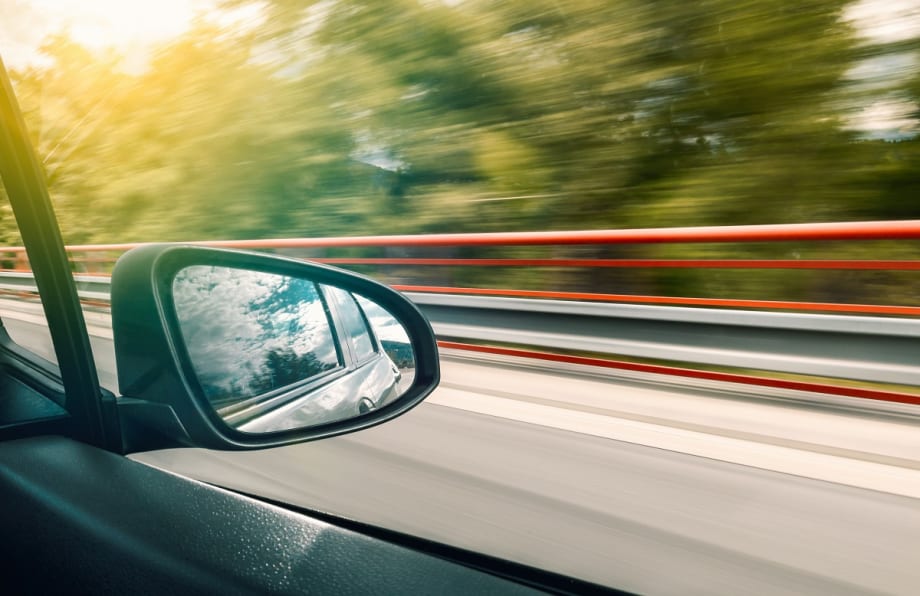
Research indicates that impaired driving and speeding are the two top factors linked to Thanksgiving holiday crashes.
Photo: pexels.com/JESHOOTS.com
3 min to read
The National Safety Council (NSC) projects that 518 people will lose their lives in motor vehicle collisions this Thanksgiving holiday period — proving Thanksgiving 2022 to be the deadliest since 2007.
This year, the Thanksgiving holiday period runs from Wednesday, Nov. 23, through Sunday, Nov. 27.
In fact, history indicates that Thanksgiving is the worst of all holidays to be driving on the nation’s highways and byways — with a staggering 2,414 fatalities over the past five years, according to a new report from Zutobi. Other holidays ranking among the top five for crash fatalities over the same time period include July 4, which ranks second with 2,263 deaths, Labor Day (2,255), Memorial Day (2,161), and Christmas (1,639).
But Thanksgiving, unfortunately, remains first. According to the Zutobi report, in 2020, an estimated 515 people were killed in crashes during Thanksgiving weekend, an increase of 21% compared to the 424 fatalities in 2019.
As to why Thanksgiving is the worst holiday for crashes, experts have put it on the table: The primary causes of Thanksgiving holiday crashes are impaired driving, speeding, volume of traffic, and distracted driving.
Celebrations commonly involve alcohol consumption, making it more of a temptation to drive under the influence. Alcohol is the main cause of car crashes during Thanksgiving, with 185 drivers killed in DUI crashes in 2020. In fact, 36% of the Thanksgiving fatalities involved an alcohol-impaired driver, according to Zutobi.
Noteworthy, nearly the same percentage of roadway deaths — 28% — resulted from high-speed driving. For every 10 mph of increased speed, the risk of dying in a crash doubles. In practical terms, increasing driving speed from 60 mph to 80 mph increases the risk of a fatal crash by four times.
Then there is the sheer volume of traffic that drivers must contend with. This year, an estimated 49 million people will travel to family feasts via car, reports AAA. For decades, data has shown that driving is the least safe method of transportation. Unlike traveling by plane or train, driving far distances around the holidays when roads are more congested increases the chance for a serious accident.
Finally, distracted driving is a constant danger on the nation’s roadways, responsible for killing some 3,142 people in 2020 alone. The Thanksgiving weekend is no exception. Studies indicate that American drivers can’t seem to keep their hands off their phones and on the wheel.
While the roads are likely to be challenging this Thanksgiving period, one basic safety precaution every motor vehicle traveler can take is to wear a seatbelt. Buckling up in the front seat could reduce the risk of fatal injury by 45% and moderate to critical injury by 50%, according to the National Highway Traffic Safety Administration.
More Safety

Tips for Driving Safely on Halloween Night
This video features a reminder from the Connecticut Department of Transportation (DOT) and the Connecticut Police Chiefs Association, urging drivers to prioritize safety this Halloween.
Read More →
IIHS Crash Avoidance Tests Reveal Safety Gaps in Cargo Vans and Work Trucks
New IIHS crash avoidance ratings show uneven performance among cargo vans and heavy-duty pickups, with most struggling to avoid vehicle-to-vehicle collisions.
Read More →
What’s Next for Fleet? Safety, AI & Industry Recognition | AF News Recap
Could your company's culture be encouraging distracted driving? This week, we're exploring how workplace expectations affect driver safety, what AI, EVs, and autonomous vehicles could mean for the future of fleet management, and how fleet professionals can strengthen their award nominations.
Read More →
Does Your Fleet's Culture Encourage Distracted Driving?
What happens when the people responsible for enforcing safety rules are the ones setting the wrong example? The answer may reveal why some of the biggest risks to fleet drivers have little to do with what's written in the employee handbook.
Read More →
Sponsored•October 1, 2026
Fleet Manager’s Ultimate Playbook: Navigating the New Standard in OEM Connectivity
Rising operating costs, driver safety concerns, and unplanned downtime are putting unprecedented pressure on modern fleets. Discover how fleet managers use embedded OEM connectivity and real-time vehicle data to cut TCO, prevent downtime, and protect drivers without aftermarket telematics hardware.
Read More →
From Driver Well-Being to EV Charging | AF News Recap
Mental health belongs in the fleet safety conversation. This week, we’re looking at five ways fleets can support employee well-being before a crisis, plus Holman’s expansion in Mexico, new one-day Fleet Forward passes, and why EV charging demand is outpacing infrastructure growth.
Read More →
Nexar-Nauto Merger Aims to Give Fleets Better Safety Intelligence Through Larger Driving Dataset
Stefan Heck tells Automotive Fleet that combining more than 10 billion miles of driving history with Nexar's AI models will give fleets deeper insights into driver risk and roadway conditions than either company could provide independently.
Read More →
Don't Wait for a Crisis: 5 Ways to Build Mental Health Into Your Fleet Safety Program
For Suicide Prevention Month, fleet and safety leaders have an opportunity to put mental health where it belongs: at the center of workplace safety.
Read More →
How Camera Data Can Strengthen a Fleet’s Insurance Renewal
Insights from a commercial insurance carrier and a broker show how fleets can turn video telematic data, driver coaching, and improved claims results into a stronger case at insurance renewal.
Read More →
The Safest Fleets Aren’t the Ones with the Most Technology
You’ve made the telematics investment. Here’s how to capture the other half of its value and build the safest fleet on the road.
Read More →