Ford recalls 652,996 pickup trucks and big SUVs, Toyota recalls 458,054 of various models, and Mercedes-Benz issues two separate recalls, totaling 147,749 vehicles.
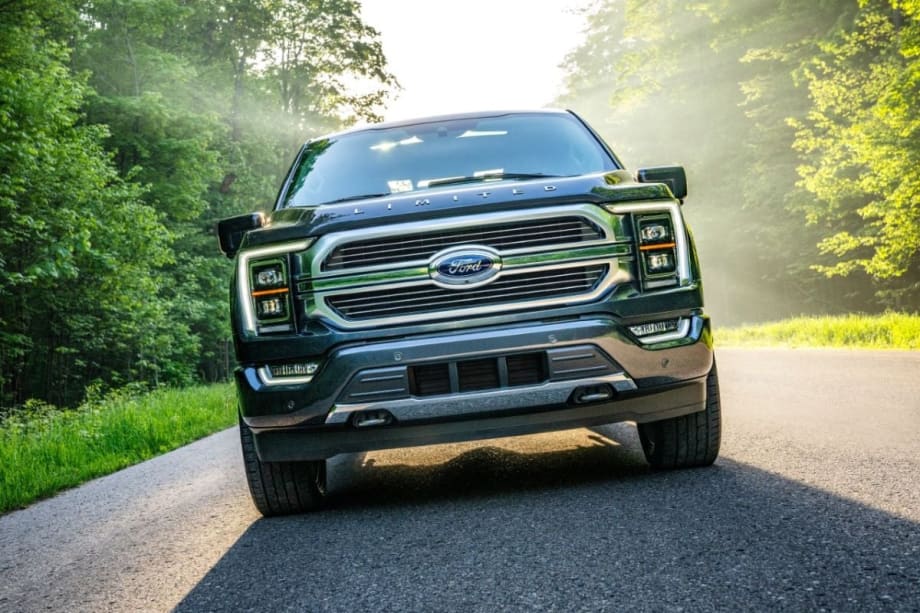
Several Ford vehicles may be affected by a windshield wiper issue.
Photo: Ford
3 min to read
In the United States, over 50 million vehicles have unrepaired safety recalls, and many of those recalls involve defective parts that can pose serious risks to your drivers and other road users. It is incumbent on fleet operators to stay abreast of the latest recalls that may impact on fleet vehicles. Three manufacturers recently issued recalls that may apply to your fleet.
Ad Loading...
Ford Motor Company
Ford is recalling approximately 652,996 pickup trucks and big SUVs for a windshield wiper issue. The recall includes 2020-2021 F-150, Expedition, 2020-2022 Super Duty F-250, F-350, F-450, F-550, and 2020-2021 Lincoln Navigator vehicles. The problem is that the windshield wiper arms may break, causing the windshield wipers to fail.
Ad Loading...
This scenario can be hazardous as inoperative windshield wipers can reduce visibility in certain driving conditions, increasing the likelihood of a collision. To fix the problem, dealers will replace both front windshield wiper arms, free of charge.
Owner notification letters will be mailed May 23. Owners can reach Ford customer service at (866) 436-7332. Ford's reference number for this recall is 22S26.
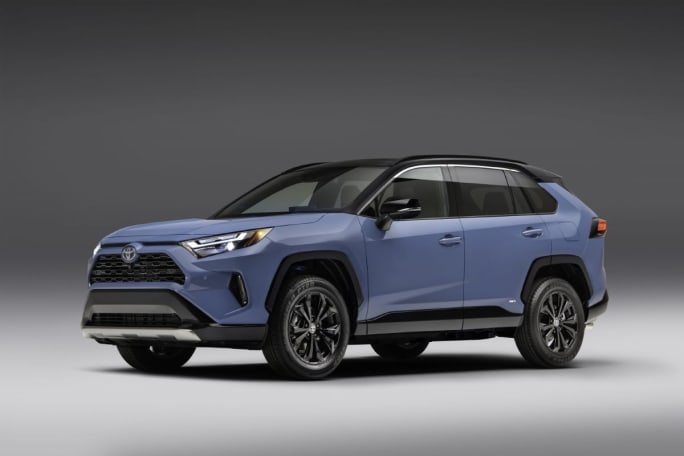
The 2022 Toyota RAV4 is one of the vehicles included in the recall for stability control issues.
Photo: Toyota
Toyota & Lexus
Toyota is recalling an estimated 458,054 2022 Lexus LX, Lexus NX HEV, Lexus NX PHEV, Toyota RAV4 HEV, 2021-2022 Lexus LS HEV, Toyota Mirai, RAV4 PRIME, Sienna, Venza, and 2020-2022 Toyota Highlander HEV vehicles for an electronic stability control issue.
Specifically, the Skid Control ECU software may not turn on the Vehicle Stability Control (VSC) system when the vehicle is restarted after the driver has disabled the VSC system.
This is problematic as driving with a deactivated stability control system increases the risk of a crash. To remedy the matter, dealers will update the Skid Control ECU software at no cost to owners.
Ad Loading...
Owner notification letters will be mailed May 16. Owners may contact Toyota customer service at (800) 331-4331. Toyota's reference number for this recall is 22TA03. Lexus' reference number for this recall is 22LA01.
Across both recalls, issues affect nearly 148,000 brand vehicles.
Photo: Mercedes-Benz USA
Mercedes-Benz USA
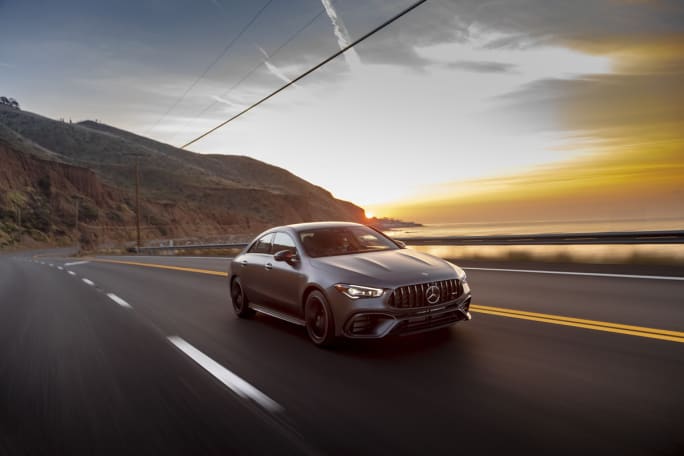
Mercedes-Benz USA, LLC (MBUSA) recently issued two separate safety recalls for different problems, which affect various models. Together, the two recalls impact nearly 148,000 vehicles.
MBUSA is recalling an estimated 126,443 2018-2021 CLA-Class, GLE/GLS-Class, A-Class, C-Class, E-Class, E-Class Coupe/Convertible, GLA/GLB-Class, GLC-Class, CLS-Class, and EQC-Class vehicles because the rearview camera may not display the rearview image due to a software error.
This scenario is dangerous as an inoperable rearview camera display reduces the driver’s view, increasing the likelihood of a crash. To fix the problem, dealers will update the rearview camera software, at no cost to owners.
In a second action, MBUSA is recalling approximately 21,306 GLE450, GLS450, 2021-2022 AMG GLE53, 2020-2021 GLE580, GLS580, 2021 AMG GLE63, Maybach GLS600, and AMG GLS63 vehicles for an electrical system issue. Specifically, a ground cable bolt for the 48V ground connection under the front passenger seat may not be secured properly, which can cause the electrical cable to overheat.
Ad Loading...
This creates a hazardous situation as an overheated electrical cable can increase the risk of a fire. To remedy the matter, dealers will inspect and tighten the ground cable bolt, as necessary, free of charge.
For both recalls, owner notification letters will be mailed on or around June 7. Owners may contact MBUSA customer service at (800) 367-6372.
Could your company's culture be encouraging distracted driving? This week, we're exploring how workplace expectations affect driver safety, what AI, EVs, and autonomous vehicles could mean for the future of fleet management, and how fleet professionals can strengthen their award nominations.
What happens when the people responsible for enforcing safety rules are the ones setting the wrong example? The answer may reveal why some of the biggest risks to fleet drivers have little to do with what's written in the employee handbook.
Rising operating costs, driver safety concerns, and unplanned downtime are putting unprecedented pressure on modern fleets. Discover how fleet managers use embedded OEM connectivity and real-time vehicle data to cut TCO, prevent downtime, and protect drivers without aftermarket telematics hardware.
Mental health belongs in the fleet safety conversation. This week, we’re looking at five ways fleets can support employee well-being before a crisis, plus Holman’s expansion in Mexico, new one-day Fleet Forward passes, and why EV charging demand is outpacing infrastructure growth.
Stefan Heck tells Automotive Fleet that combining more than 10 billion miles of driving history with Nexar's AI models will give fleets deeper insights into driver risk and roadway conditions than either company could provide independently.
Insights from a commercial insurance carrier and a broker show how fleets can turn video telematic data, driver coaching, and improved claims results into a stronger case at insurance renewal.
Fleet compliance isn't just about having policies — it's about consistently enforcing them. This practical guide reveals six hidden compliance risks common in public sector and shared fleet operations and outlines proven strategies to improve visibility, accountability, and audit readiness
The Sept. 15–17 program will feature fleet benchmarking data, case studies, emerging technologies, and implementation strategies while running alongside the NSC Safety Congress & Expo.