




Azuga Strengthens Services with Mobikit Acquisition
Azuga now enters the insurance tech space thanks to its acquisition of Mobikit, gaining them a new SaaS platform that comes with data harmonization.


Mobikit’s data engineering and analytics technology will integrate with Azuga’s driver performance data for an enhanced fleet telematics solution.
Photo: Unsplash
Azuga announced they have extended their investment in the insurtech space by combining forces with Mobikit, an insurance data science and analytics company based in Columbus, Ohio. The acquisition delivers a new SaaS platform to accelerate the benefits and insights telematics, AI, video, and vehicle data offers carriers, MGAs, brokers, and other insurance providers.
Insurance companies spend millions of dollars annually processing claims and writing policies to automotive fleets, Azuga wrote in a March press release. Reducing the number of claims received would lower the cost of doing business. In part, the ability to reduce the number of claims depends on an insurance company’s ability to accurately assess the risk of the fleets they insure. Making a correct assessment depends on the ability of the insurance company to track data such as how fast fleet drivers are traveling, braking, accelerating, and more. Historically, data exchanges have not solved these challenges, but Azuga and Mobikit will now be able to provide a multi-end point platform with data harmonization that resolves gaps in the exchange model.
While Azuga’s fleet telematics solution captures this data already, Mobikit’s data engineering and analytics technology expands Azuga’s data set further by seamlessly integrating Azuga’s driver performance data with Mobikit’s machine learning algorithm to provide insurance carriers with insights not before available. Insurance carriers can improve their commercial auto telematics programs with little to no technical investment and enable insurers to onboard fleets at a pace that works for them. With this platform, insurance providers are in control by integrating data from disparate data sources, including fleet telematics providers and automotive OEM telematics data feeds. This enables automated workflows that provide immediate value across loss control, claims, underwriting, brokers, agents, and MGAs.
“Azuga is delivering consistent reduction in loss ratios for our commercial insurance customers,” said Ananth Rani, CEO of Azuga. “By providing enhanced data analysis capabilities and harmonizing data from disparate data sources, insurance carriers can identify even more opportunities for reducing risk and pricing premiums more effectively. Our mutual customers are using Mobikit already and believe the team and technology can dramatically improve our data analytics solutions to continue to deliver insurtech at scale”
More Telematics
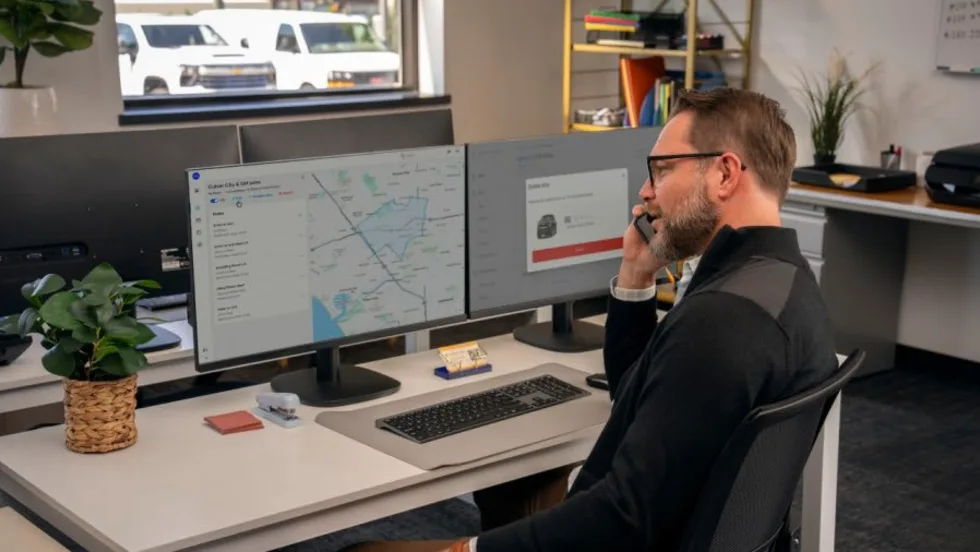
GM Launches OnStar Fleet Intelligence Platform With AI Assistant
The new platform brings vehicle data, order tracking, connected services and fleet analytics into one system, with an AI assistant that can answer fleet questions using natural-language prompts.
Read More →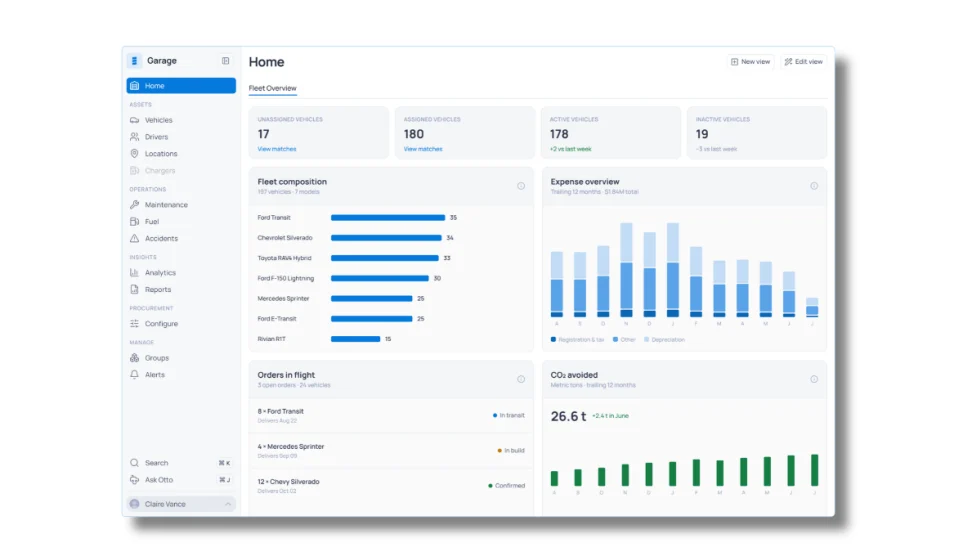
Inspiration Fleet Introduces Garage 2.0 Fleet Intelligence Platform
Fleet managers increasingly have access to data from vehicles, telematics, fuel, charging, and other systems, but those sources don't always communicate with one another. Inspiration Fleet's Garage 2.0 platform brings that information together while letting fleets keep working with different technology and service providers.
Read More →
Inside Inspiration Fleet’s New Platform for Connecting Fleet Data
Inspiration Fleet CTO Chris Getner explains how the new Garage 2.0 platform is designed to connect disparate fleet data and what that could mean for fleet managers in practice.
Read More →
Fleet Manager’s Ultimate Playbook: Navigating the New Standard in OEM Connectivity
Rising operating costs, driver safety concerns, and unplanned downtime are putting unprecedented pressure on modern fleets. Discover how fleet managers use embedded OEM connectivity and real-time vehicle data to cut TCO, prevent downtime, and protect drivers without aftermarket telematics hardware.
Read More →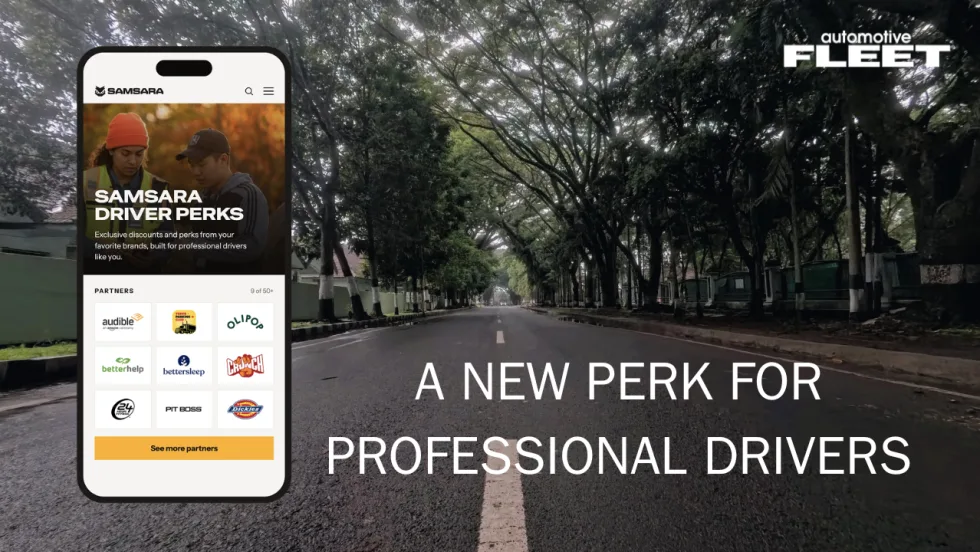
Samsara Driver Perks Adds New Benefit for Corporate Fleet Drivers
The rewards program gives eligible professional drivers access to discounts from more than 50 brands while giving fleets another way to support recruitment, retention, and the driver experience.
Read More →
Inside the Church of Jesus Christ of Latter-day Saints’ Two-Track Telematics Strategy
With 20,000 vehicles and two fundamentally different driver populations, the Church faced a fleet management problem that a single telematics program couldn't solve. How it responded offers a replicable framework for any fleet where one size doesn't fit every driver.
Read More →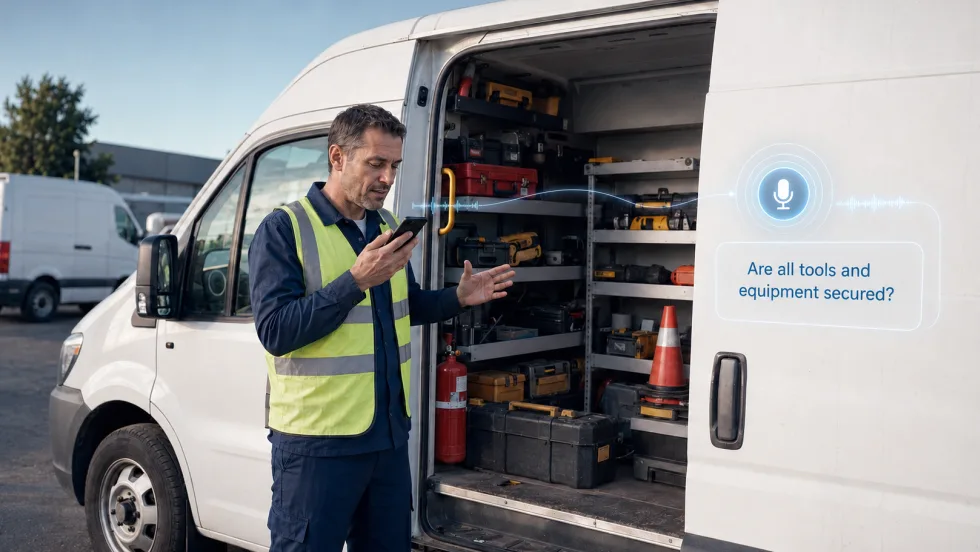
How Conversational AI Can Make Fleet Tasks Easier for Drivers
While most generative AI tools help fleet managers interpret data at their desks, Connex2X is applying voice interaction to tasks behind the wheel.
Read More →
Why Fleets Are Creating Dedicated Fleet Analyst Positions
Are fleet analyst positions the new norm? Listen here to find out.
Read More →
Teletrac Navman Begins Next Chapter as Standalone Private Company
What's new with Teletrac Navman and its new owner?
Read More →
Why Fleets Are Creating Dedicated Fleet Analyst Positions
Telematics, AI, EVs, and connected technologies are generating more fleet data than traditional teams can effectively manage. Reed Jackson explains why dedicated fleet analytics roles are emerging to turn that information into better operational decisions.
Read More →