




Coca-Cola Beefs Up Hybrid Van Fleet
The Coca-Cola Company plans to more than double the number of hybrid full-size vans in its service fleet by early 2015 and eventually reach a 10 percent replacement level for the fleet.
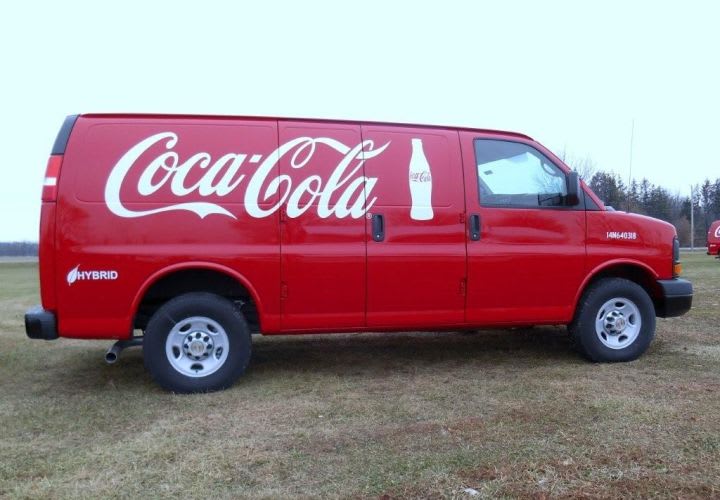
Photo courtesy of XL Hybrids.
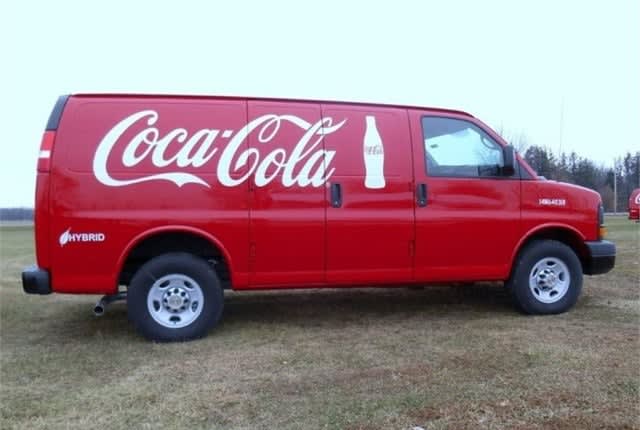
Photo courtesy of XL Hybrids.
The Coca-Cola Company plans to more than double the number of hybrid full-size vans in its service fleet by early 2015 and eventually reach a 10 percent replacement level for the fleet, the company's fleet manager told AutomotiveFleet.com.
Coca-Cola is adding 140 additional gasoline-electric hybrid Chevrolet Express 3500 vans by early 2015 to go with the 103 it had in the fleet at the end of 2013, said Tony Eiermann, Coca-Cola's fleet manager of assets and value management. Coca-Cola is partnering with XL Hybrids to add the XL3 parallel hybrid-electric drive system.
The company's investment in the conversions has added more than 20 percent to the range the vehicles can travel on a single tank of gasoline. The system also reduces carbon emissions by about 20 percent, according to XL Hybrids.
After the initial order, Coca-Cola ordered 70 more converted vans in the spring and an additional 70 earlier this month. The company is now taking delivery of vans ordered in the spring. The vans will be assigned to Coca-Cola service technicians that make calls to repair vending and fountain machines serving the company's beverages.
The vans upfitted with the XL Hybrids system feature regenerative braking technology, which is charge-sustaining and doesn't require a plug. During operation, the van’s OEM engine continues to run with help from the XL3 electric motor, thereby using less fuel.
"The reason we went with this technology is because it's very simple," said Eiermann. "The biggest thing for Coca-Cola is if for any reason this system fails, we can still operate the van. It goes into a bypass mode."
The company can service the vans at any of its more than 200 fleet garages around the country by ordering readily-available replacement parts. The van's lithium-ion battery pack, for example, is sourced from Johnson Controls.
"From a fleet manager's perspective, having a low risk technical solution is a good selling point," said Clay Siegert, vice president and co-founder of XL Hybrids. "We source our hybrid components from large component suppliers, and have achieved a 99.9 percent vehicle uptime over 4 million miles with our customers."
The 240 hybrid vans are included within Coca-Cola's 3,600-vehicle service fleet. Coca-Cola also operates a delivery fleet of heavy-duty trucks. Coca-Cola operates about 26,000 on-road vehicles, including the single-axle and tandem-axle trailers.
Related:
More Green Fleet
New Propane Autogas Program Offers Fleet Compensation
Qualified commercial fleets can receive $7,500 per eligible propane autogas vehicle and up to $10,000 for new refueling site prep. Learn how the program works and see whether your fleet qualifies.
Read More →
EV Charging Use Is Outpacing Infrastructure Growth
ChargePoint’s 2026 Charging Forward Report points to rising charger use, higher-powered charging, commercial vehicle electrification, and energy-management technology. Here’s what fleets should know.
Read More →
Merchants Fleet Reports 290M EV Miles as Fleets Navigate Changing Electrification Market
From millions in operating savings to hundreds of millions of EV miles, Merchants Fleet’s latest report reveals what’s working and what’s changing in fleet electrification.
Read More →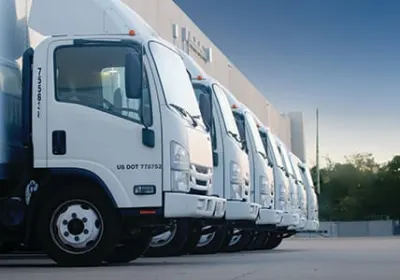
The EV Breakdown Nobody's Talking About: Why Most Electric Vehicle Roadside Calls Aren't Mechanical Failures
Here's why EV breakdowns are widely misunderstood.
Read More →
ChargePoint Now Available in Energy Pass
ChargePoint and additional planned charging network integrations were added to GM's Energy Pass.
Read More →

First Look: Slate Auto's Electric Fleet Pickup
Could an affordable, modular EV pickup make electrification more practical for fleets?
Read More →
Slate Debuts Colorful, Unique EV Models
A recent media and client event, studded with electric vehicles dressed up on platforms, planted a new position for the manufacturer in the wider EV market. Fleets will find cost-saving advantages.
Read More →
Slate Electric SUV, Pickup Switchable Model Aims For Light-Duty Fleets
Everything about this EV is counterintuitive and understated, making it stand out from the crowd.
Read More →
Inspiration Mobility Acquires Key Electrada Assets
Inspiration Mobility Group has acquired select assets of Electrada, adding the fleet electrification provider's team, technology, and charging infrastructure development capabilities to its energy management business.
Read More →