


 MENU
MENU SEARCHMENUSEARCH
Loading data...
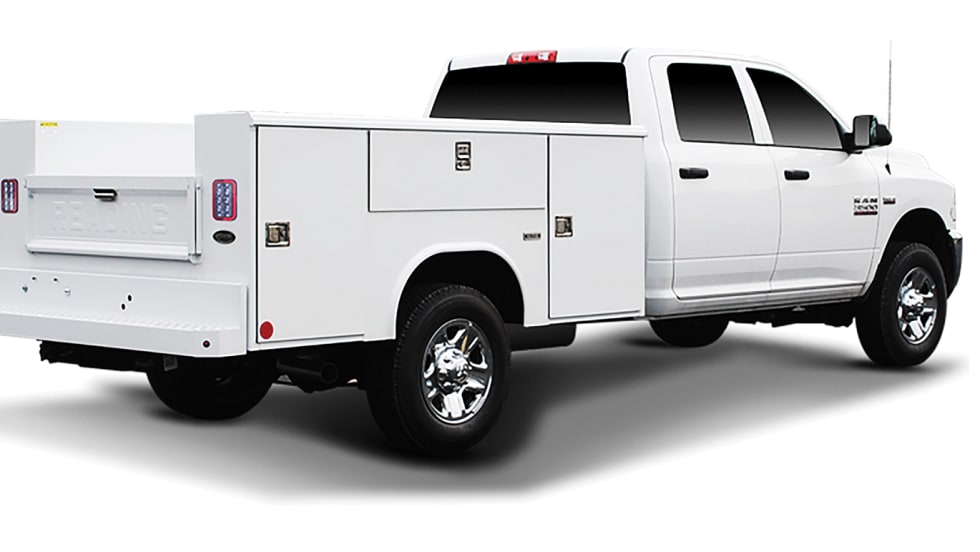
Ergonomics must be high on the fleet manager’s “radar screen” because it can significantly impact the bottom line by reducing workers’ comp costs, improving driver productivity, and reducing fatigue-induced operator errors that can lead to preventable accidents.
Read More →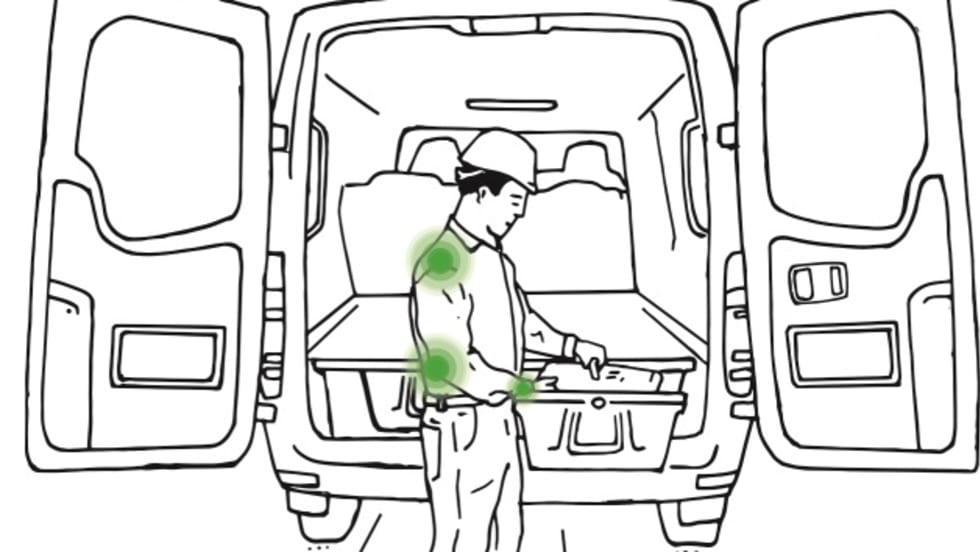

Improper ergonomic behavior when handling vehicle equipment and cargo can result in musculoskeletal injuries. Here are some examples of the best and worst ways to work ergonomically. Read the full story here. Photos courtesy of DECKED.
Read More →Under OSHA regulations, an employer must provide a workplace (which includes upfitted work vehicles) free from recognized hazards. Across a variety of vocational segments, today’s fleet managers are devoting increased consideration to ensuring upfits will be ergonomically safe for the driver over the service life of the vehicles. Here's what they are doing to reduce Workers' Comp claims.
Read More →A one-size-fits-all approach to truck specifications is an ergonomic minefield, which could have litigious consequences. In addition, there are increased field complaints about “less-than-ergonomic” upfit decisions. Besides health issues, poor ergonomics is also a key contributor to preventable accidents. Proactively resolving ergonomic issues can have a significant impact in reducing workers’ comp costs, improving productivity, and decreasing fatigue-induced driver errors.
Read More →