


 MENU
MENU SEARCHMENUSEARCH
Daimler’s carsharing partnership with BMW, Share Now, will expand its footprint using all-electric smart models and combine with different means of transport. Another initiative, the Ready to Share service allows smart owners to share their vehicles privately through the Share Now app.
Read More →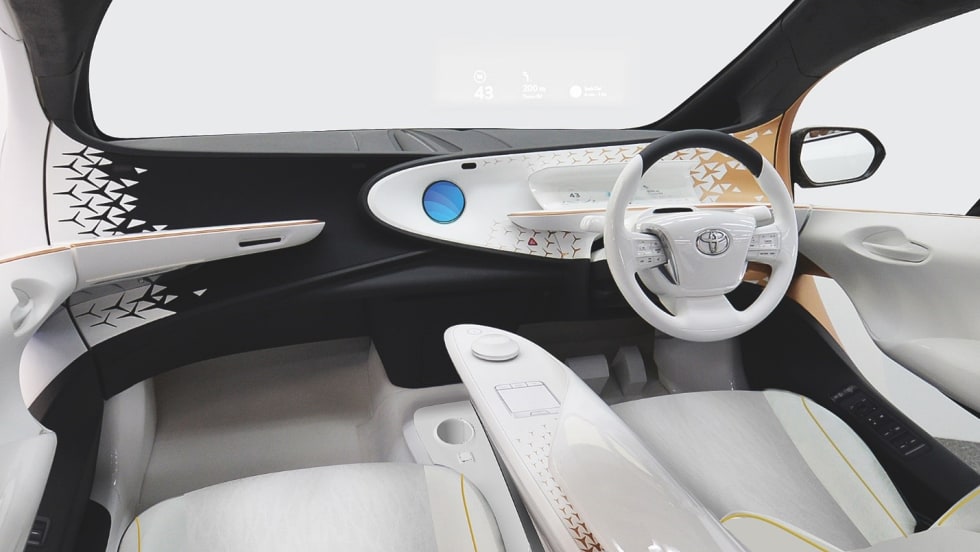
The fleet will feature about 500 fuel-cell electric vehicles (FCEVs) and 850 battery-electric vehicles (BEVs) and showcase Toyota’s new models and concepts, such as the Toyota concept-i, which will demonstrate Level 4 autonomous driving around Olympic venues.
Read More →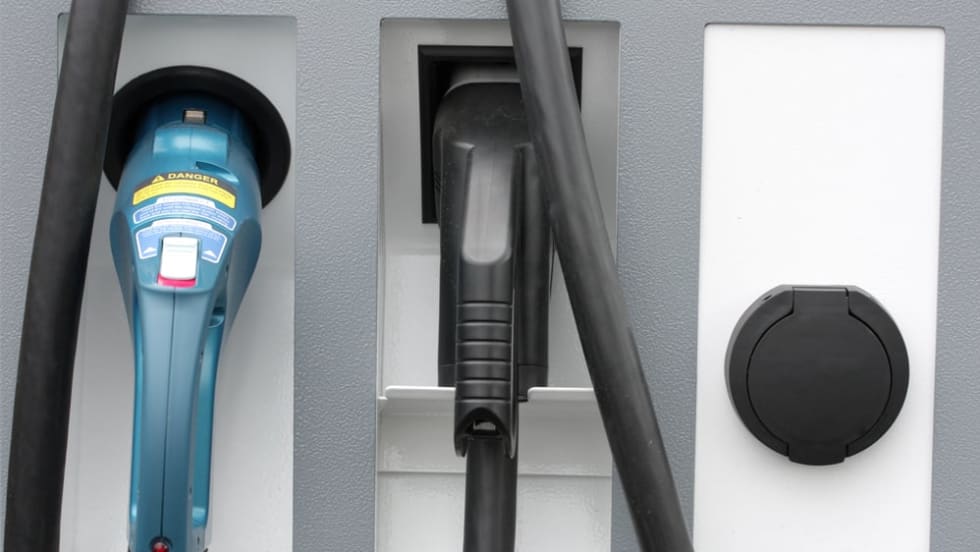
This co-funding will go towards the vehicle lease costs of 12 BMW i3’s, charging infrastructure and marketing, with the aim of increasing EV demand within the rental vehicle sector, which is the largest corporate purchaser of passenger vehicles in New Zealand.
Read More →
The firm’s 2019 Mobility Confidence Index Study found that consumers lack comfort about riding in and being on the road with self-driving vehicles and they still have concerns over charging infrastructure and affordability of electric cars.
Read More →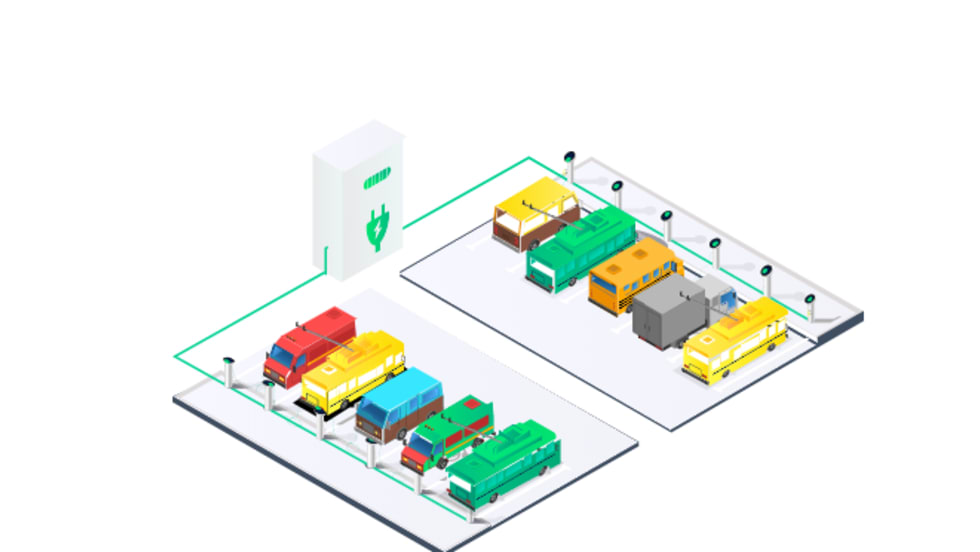
With electricity rate fluctuations of up to 200% daily, its essential for fleets to view their local utilities as partners and engage them before placing an order for the first electric vehicles.
Read More →
But make sure your beneficiaries can handle the electrified rates.
Read More →
Colorado’s Air Quality Control Commission voted 8-to-1 for ZEV standards, joining 10 other states such as California and New York and supported by the Alliance of Automobile Manufacturers and Global Automakers.
Read More →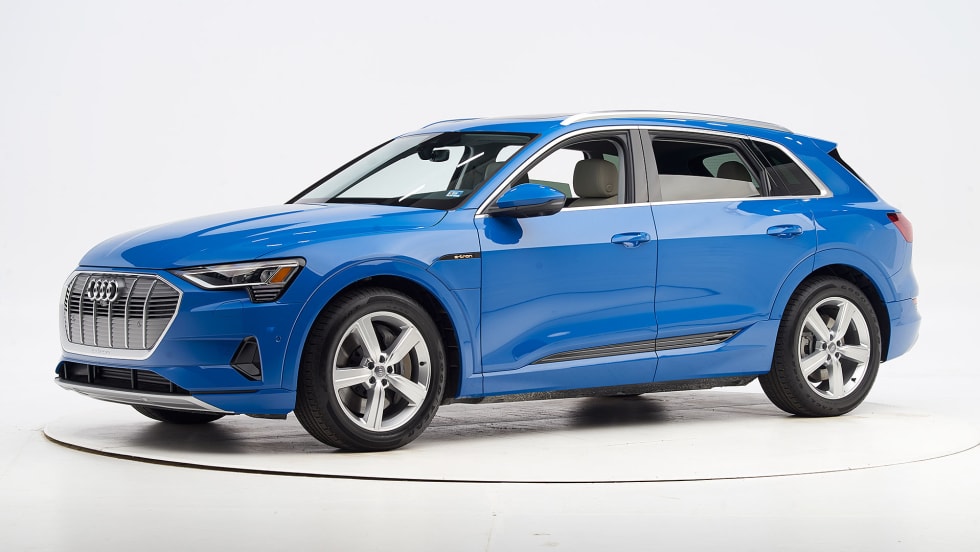
After acing six rigorous crash-worthiness tests, the Insurance Institute for Highway Safety has recognized the 2019 Audi e-tron with it’s highest honor, a Top Safety Pick+ award.
Read More →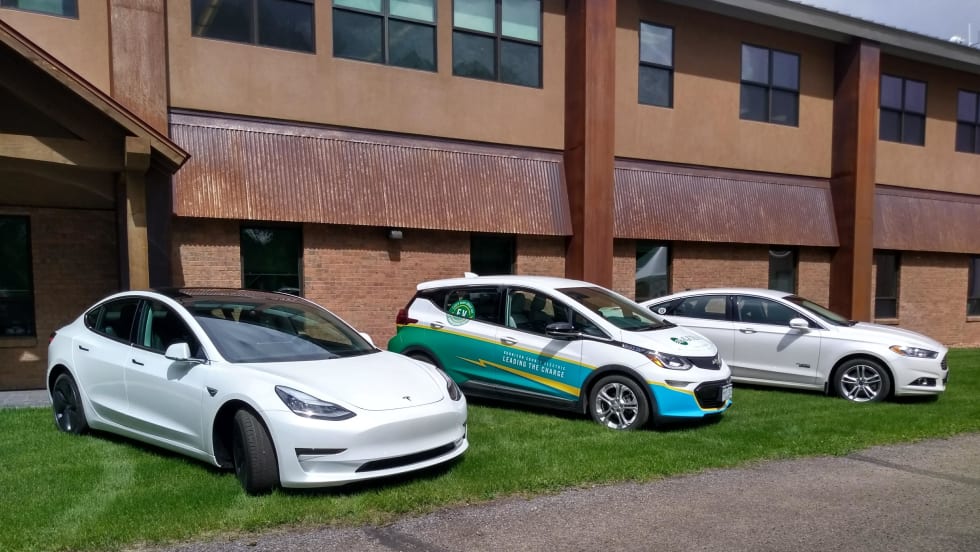
With range reductions of up to 40% in subzero conditions, electric vehicle batteries need special care in winter. The operator of this small fleet in the mountains of Colorado knows from experience.
Read More →
In this analysis of recent mobility news, we apply the “efficiencies, cost, savings, fewer tech hurdles” rule to see which new mobility models might be deployed sooner than we think.
Read More →