


 MENU
MENU SEARCHMENUSEARCH
Loading data...
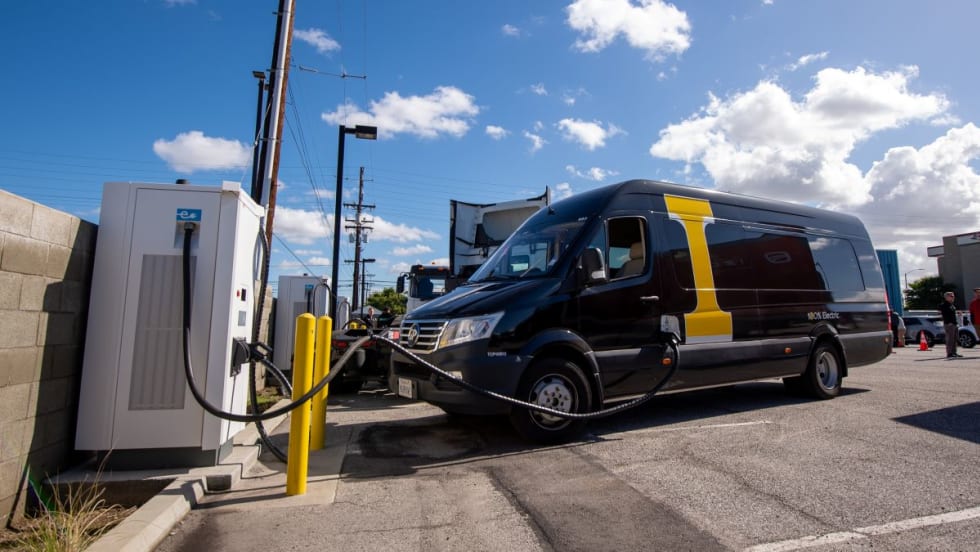
As the market retrenches, what developments are moving the needle to greater EV penetration in fleets — and what factors continue to hold it back?
Read More →
Here are eight trendlines collected from the work truck industry’s annual journey to Indianapolis.
Read More →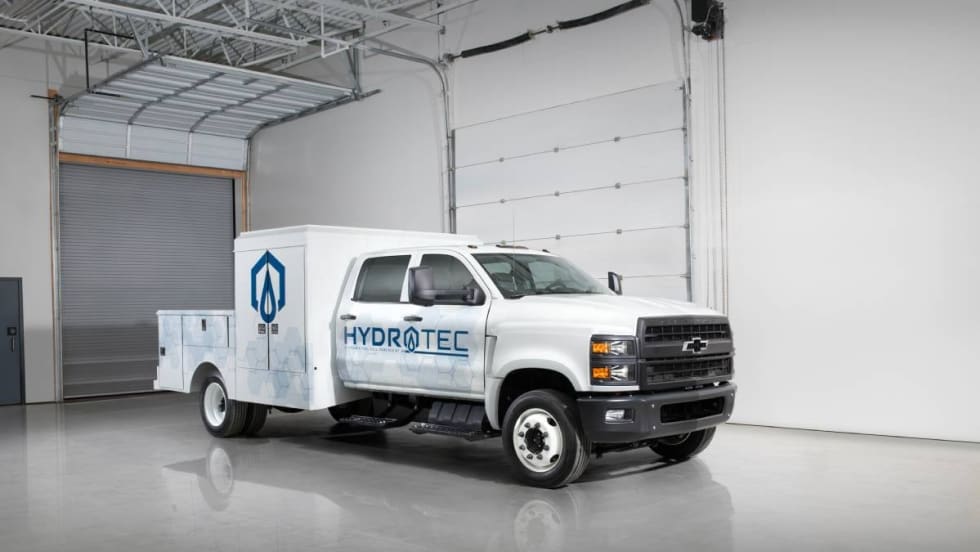
GM is collaborating with the Department of Energy to develop low-emissions fuel cell-powered medium duty trucks for fleets and supporting infrastructure.
Read More →
The new tool tracks charging costs for fleet vehicles that employees charge at their homes.
Read More →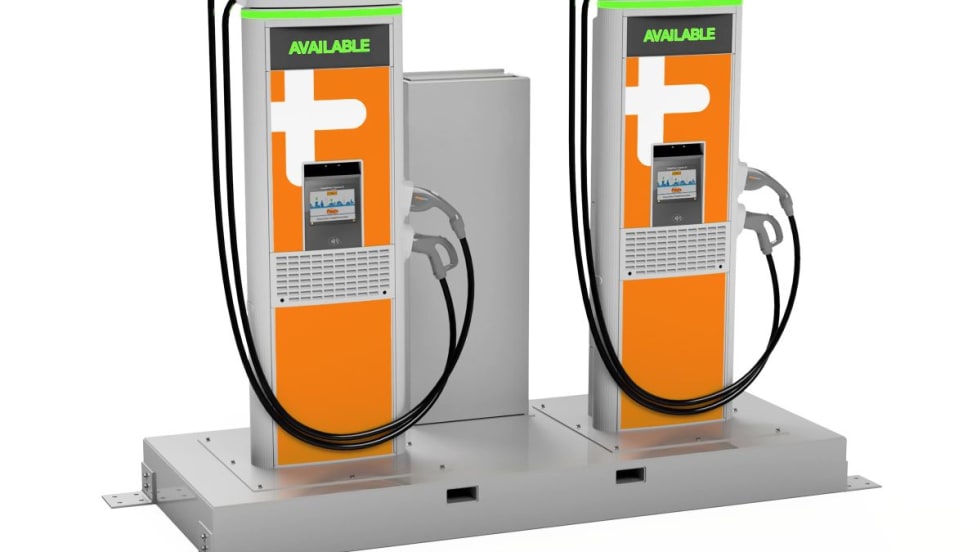
Wells Fargo has worked with EnTech Solutions to create a financing program specifically for the eSkid charging solution, a rapidly deployable EV charging platform utilizing ChargePoint hardware and software.
Read More →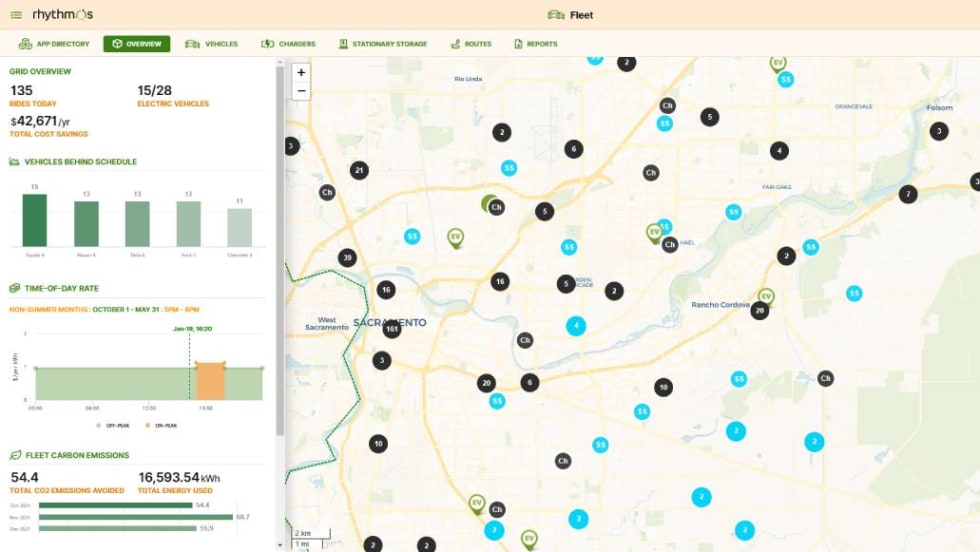
When paired with efficient AI-enhanced installations, the advanced software increases the number of EV chargers available to EV customers.
Read More →
Companies that invest in home-charging programs for their EV-driving employees see more informed fleet usage and tracking.
Read More →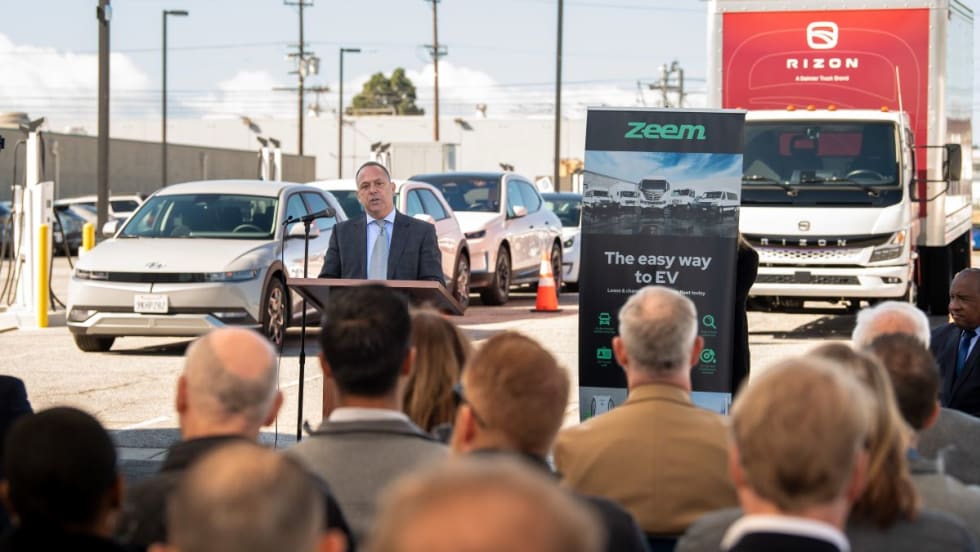
Zeem Solutions’ LAX Charging Depot can accommodate up to a thousand EV charging sessions per day of all vehicle classes.
Read More →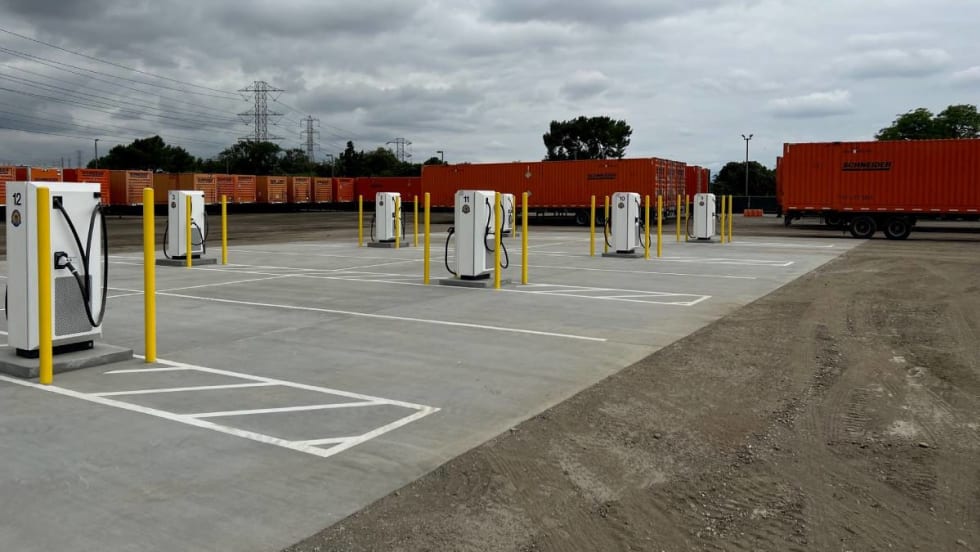
Q&A: The precision required for EV fleet charging infrastructure involves a series of steps rooted in specific goals and upfront planning.
Read More →
Electric vehicles may seem buggy and expensive now, but prices will inevitably come down as battery technology evolves and EV infrastructure becomes more commonplace.
Read More →