


 MENU
 SEARCHMENUSEARCH
Loading data...

Massachusetts will provide state grants to help municipal fleets replace gasoline and diesel-powered vehicles with electric vehicles and add EV charging infrastructure, Gov. Deval Patrick announced this week.
Read More →

With the tipping point for mass EV adoption approaching, the new report analyzes what’s driving the mobility revolution in North America and Europe.
Read More →For its first hearing of the 115th Congress, the House Subcommittee on Highways and Transit will delve into how the most recent highway bill — the Fixing America’s Surface Transportation (FAST) Act— is being implemented on the state and local level.
Read More →WASHINGTON, D.C. — In early March, the U.S. Department of Energy's (DOE) EPAct Regulated Fleet Initiatives unveiled the E-85 Fleet Toolkit, an online tool designed to help fleet managers build ethanol fueling infrastructure.
Read More →WASHINGTON, D.C. – Both Clean Energy Corp. and NGVAmerica are urging House and Senate conferees on the Farm Bill (H.R. 2419) to extend the existing alternative-fuel excise tax and infrastructure income tax credits.
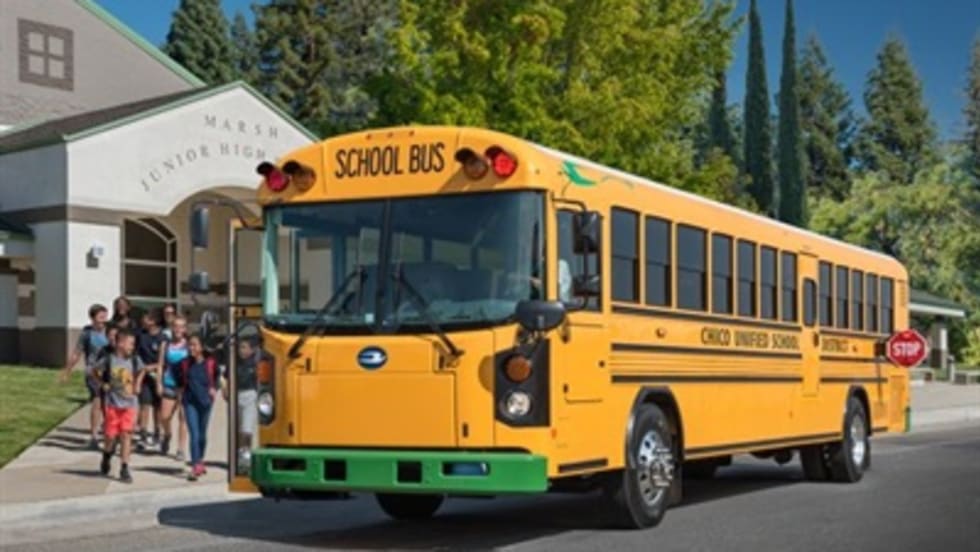
Read More →A group of U.S. Senators introduce the Clean School Bus Act, which would provide $2 million to replace diesel school buses with electric school buses, and fund charging infrastructure and training.
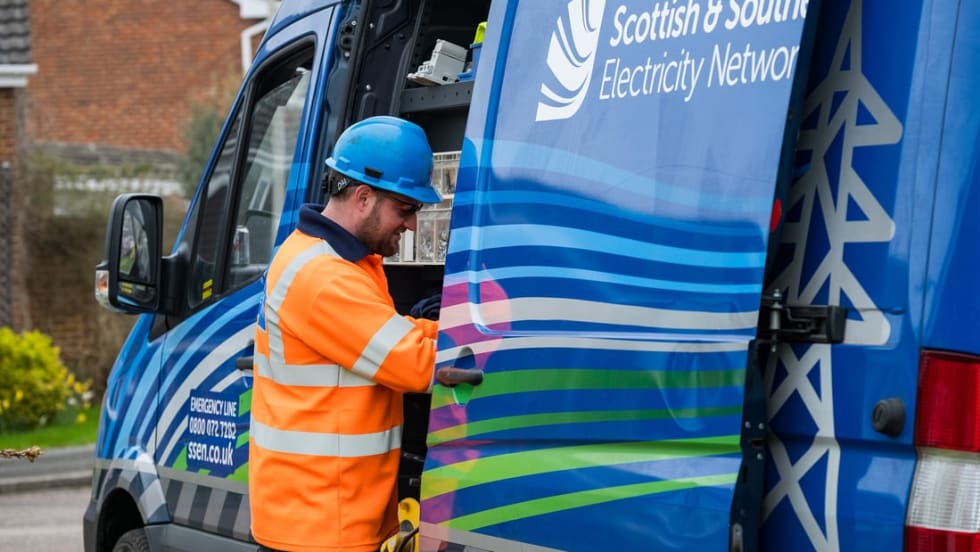
Read More →SSE Energy Solutions, a utility company, is working with fleets and communities to hasten the roll out of additional charging points. SSE Energy Solutions has not only been planning the infrastructure, but it’s been helping fleets decarbonize and make the transition to EVs.
Read More →GE Capital Fleet Services has announced an agreement with VNG.co that allows its customers to access the fuel provider's CNG refueling infrastructure for light-duty fleet vehicles.
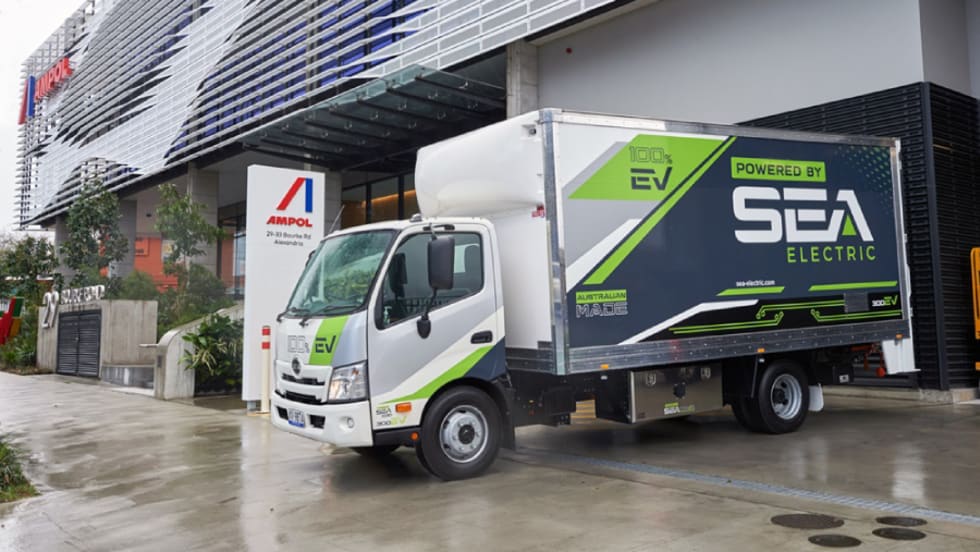
Read More →The two companies will collaborate on developing flexible, sustainable and seamless charging options to support the uptake of lower-emissions commercial vehicles in key parts of the Australian transport sector.
Read More →Propane, one of the nation’s most versatile sources of energy, supplies about 4 percent of total domestic energy needs. Opportunities exist to expand its use as a cost-effective strategy to limit vehicle emissions.
Read More →