


 MENU
MENU SEARCHMENUSEARCH
Loading data...

When I first read articles about the use of drones in fleet operations, I used to roll my eyes. But, no longer. After talking with many fleet managers, I now believe that drones in commercial applications will have a major impact in a variety of industries. At most companies, drone operations will fall outside the domain of fleet, at least initially. As FAA restrictions are eased, drones will proliferate into mainstream business practices, with the insurance and energy industries in the vanguard
Read More →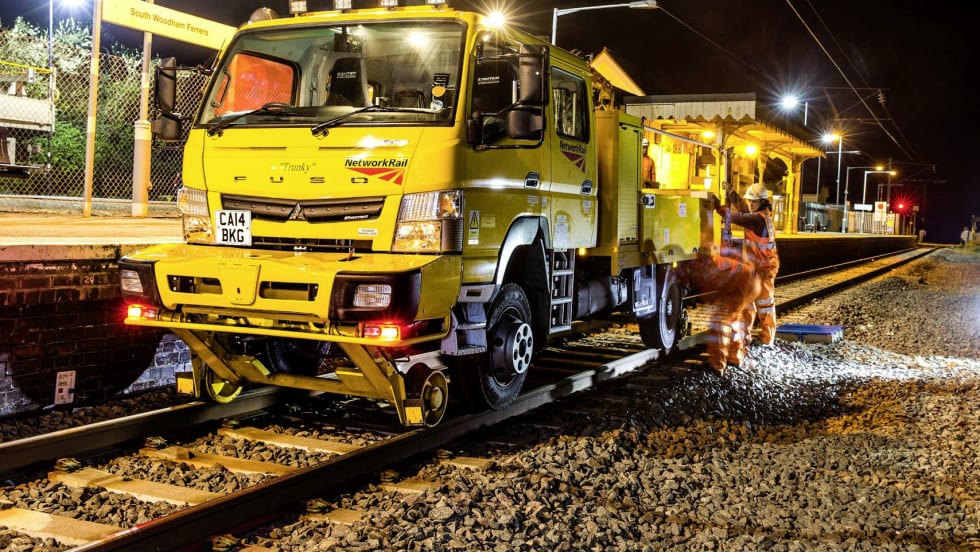
One of the perennial reasons given for order-to-delivery (OTD) delays is rail constraints. This has been an ongoing issue in the U.S., but, now, with the dramatic expansion of automotive production south of the border, rail constraints in Mexico will begin to play a greater role in fleet OTD discussions.
Read More →One challenge for both the 2015- and 2014-MY has been the increased volume of fleet vehicles going to upfitters, which has resulted in capacity constraints. With the increasing demand and growth of the commercial truck and van segments – particularly among utilities and service industries – the percentage of upfitted vehicles is growing. Upfitters are feeling the pressure of increased demand.
Read More →Railroad backlogs impacted ship-thru units requiring upfitted equipment in the 2015-MY. Not only is there a rail-car shortage, but there were also logistical delays in loading and unloading rail cars due to the higher volume of high-roof vehicles. The limited number of rail cars that can accommodate the larger, high-roof vans created a backlog at assembly plants and caused delays in shipping to and from upfitters.
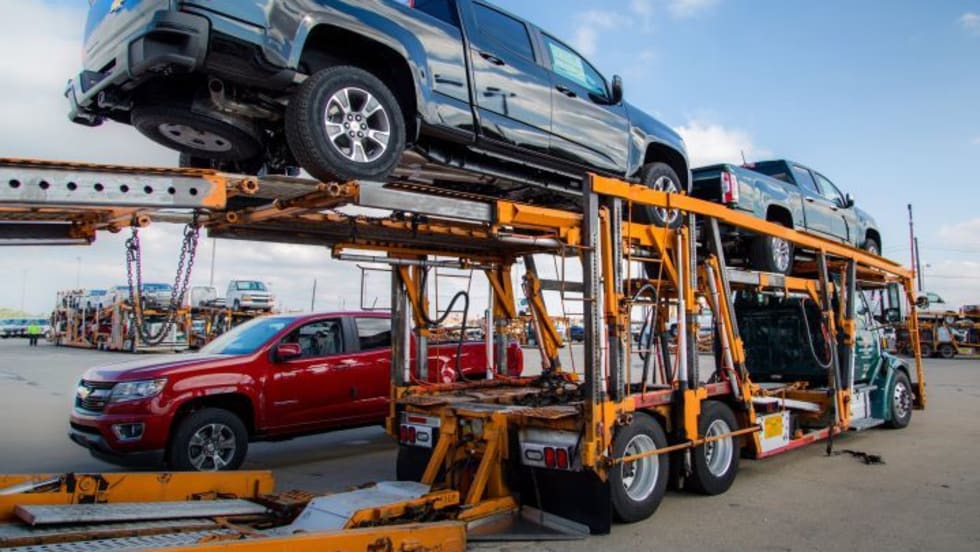
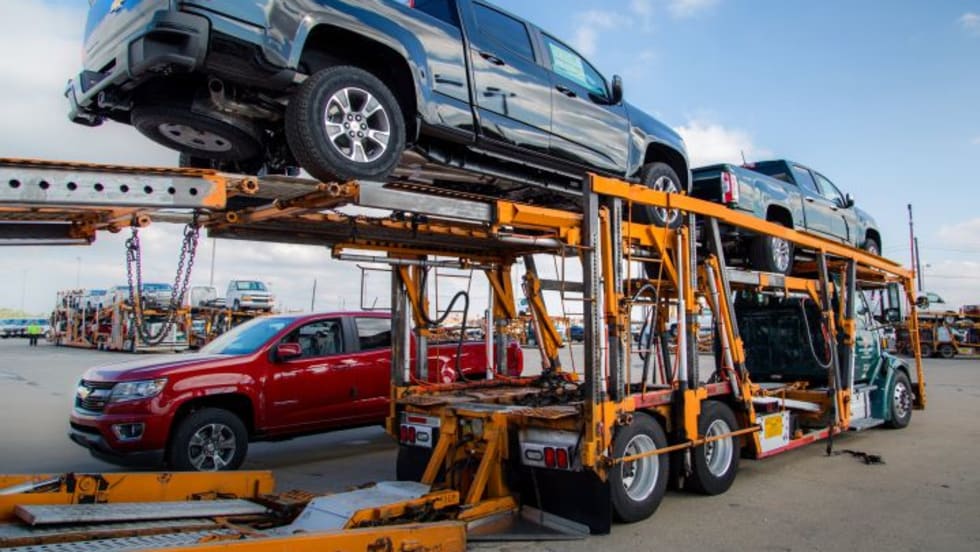
Read More →Rail’s role in vehicle transport can be glimpsed up-close at Union Pacific’s auto facility in Mira Loma, Calif., where new vehicles are shipped from manufacturers via rail.
Read More →The Fuso Canter 4x4 is entering a completely new area of operations in Great Britain – the British rail network.
Read More →For commercial fleet managers, the delivery times of light-duty vehicles can often fall prey to the availability of rail cars, quality holds, weather-related delays, and other production factors.
Read More →Heavier rail cars and an aging box car fleet are having a serious impact on overall rail congestion. The box car fleet responsible for moving vehicles is getting smaller by the year.
Read More →Vehicle volumes increased for the 2014-MY due to ongoing industry growth, while strained logistics systems, which were further exacerbated by rail-car shortages, severe weather and quality holds, caused longer lead times in the truck and van segment.
Read More →Fleet order-to-delivery (OTD) has been brutal this model-year due to severe weather conditions, which exacerbated rail congestion, creating huge backlogs of vehicles needing to be shipped. However, some are beginning to believe the rail congestion experienced this winter is more of a symptom of a systemic infrastructure weakness and not solely the consequence of severe weather. Here's why they think so.
Read More →