


 MENU
MENU SEARCHMENUSEARCH
Loading data...
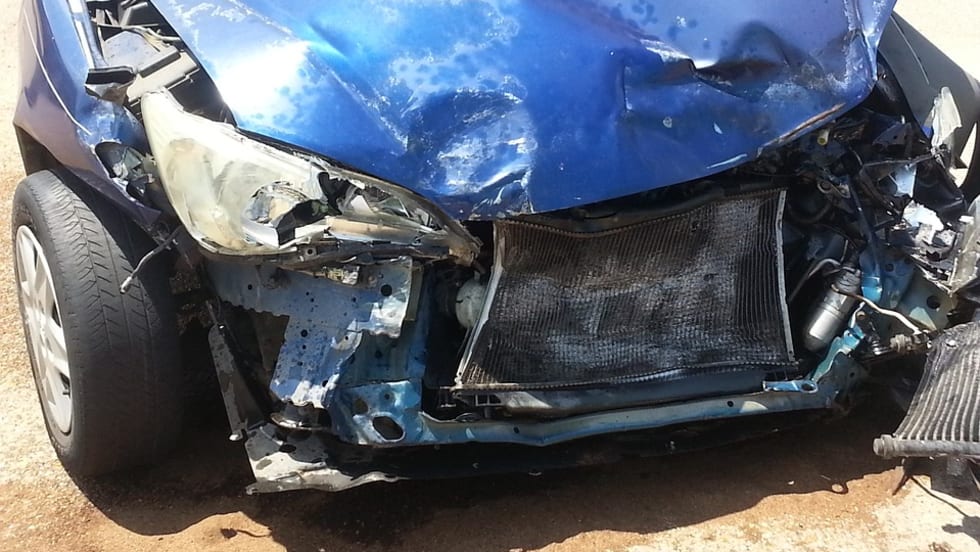
The percentage of occupants fatally injured in a motor vehicle collision increased as the vehicle's age increased, according to new data from the National Highway Traffic Safety Administration (NHTSA).
Read More →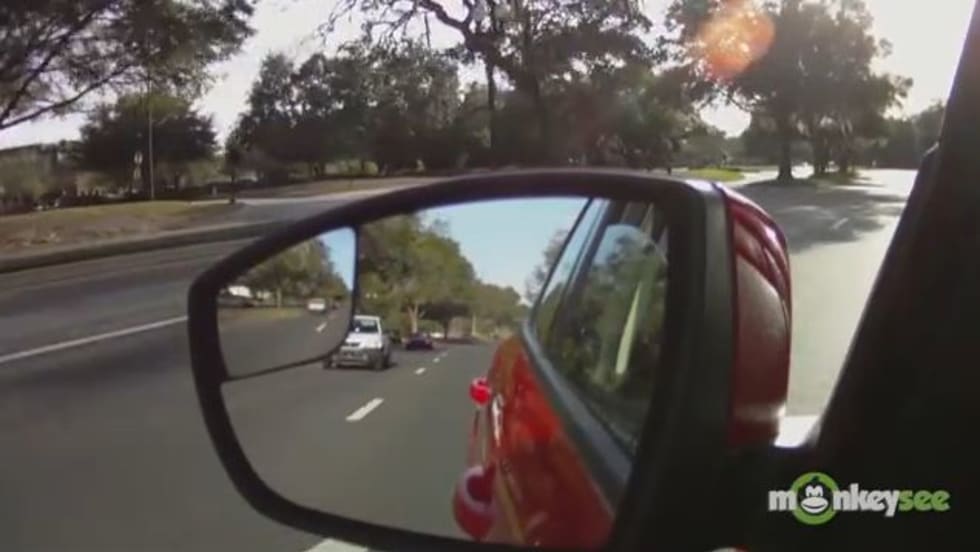

When you're behind the wheel, what you see — and what you don't see — can mean the difference between a safe ride or a sudden collision. That's why properly setting your mirrors to minimize blind spots is critically important.
Read More →Recently, I conducted a survey of several hundred fleet managers to identify emerging industry trends. One recurrent theme expressed by fleet managers was the concern that fleet costs are starting to experience upward pricing pressures. Here's what they told me.
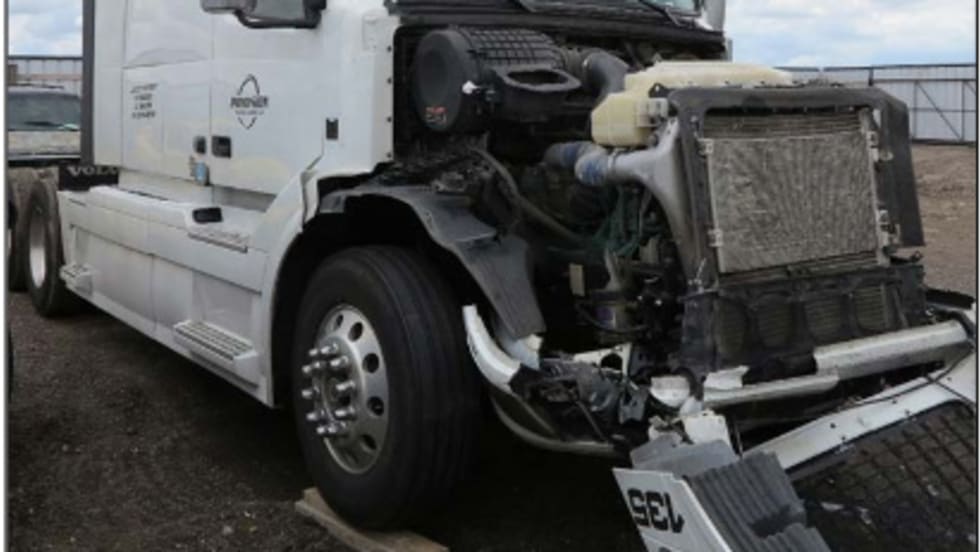
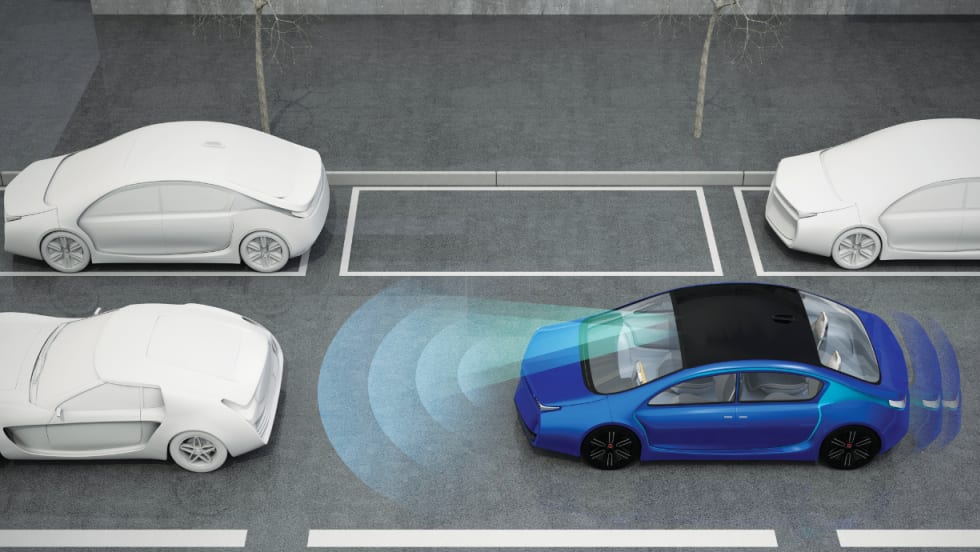
Read More →A collision avoidance system might have prevented or lessened the severity of a 2016 crash between a tractor-trailer and an SUV that killed six people and injured five, according to a new report from the National Transportation Safety Board.
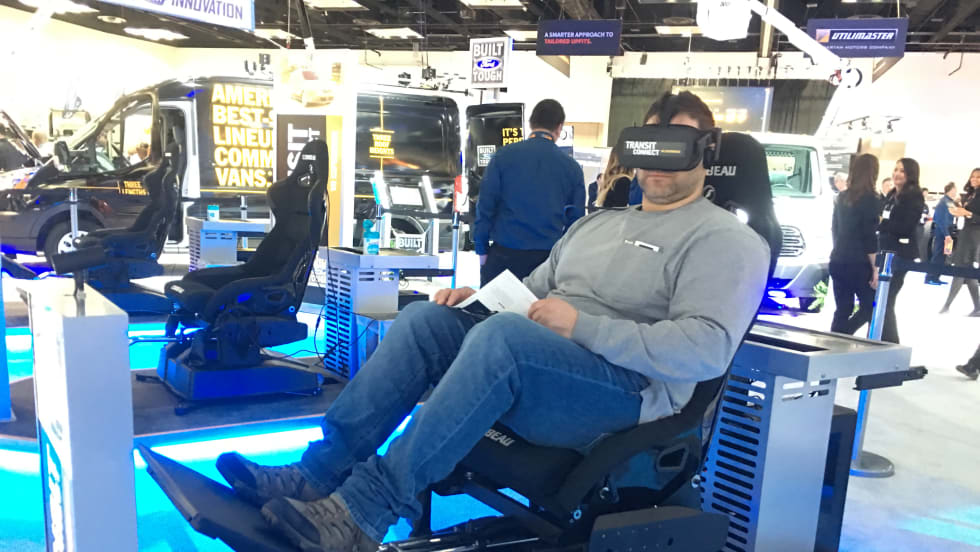
Read More →Attendees of the 2018 Work Truck Show can experience Ford Motor Co.’s new Pre-Collision Assist with pedestrian detection, which is now standard on 2019 Transit Connect compact vans.
Read More →As accident rates in the U.S. continue to climb, technology must evolve to ensure the safety of the drivers on the road. Both in-vehicle and fleet technology is continuing to find ways to do just that.
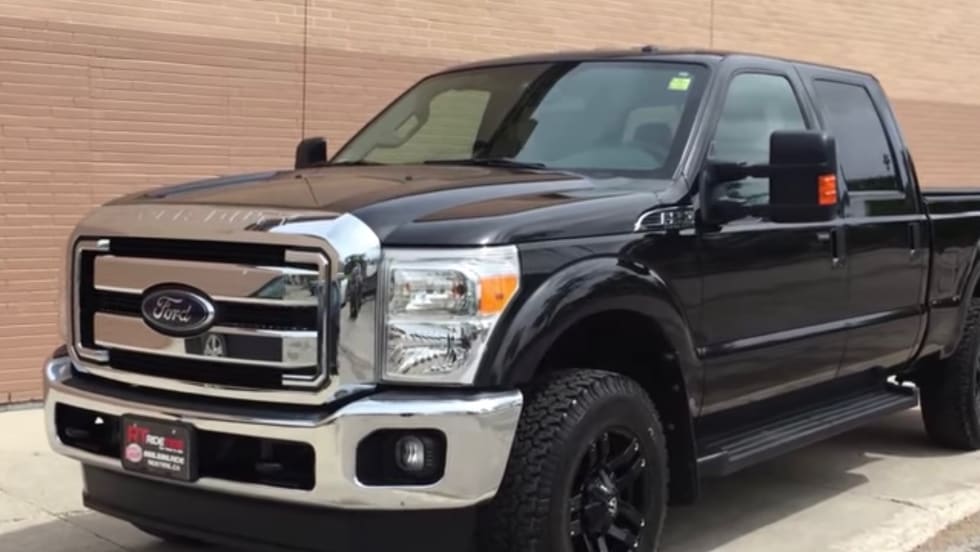
Read More →The top 10 list, released by the Highway Loss Data Institute, includes large pickups from Ford and Ram.
Read More →The Highway Loss Data Institute estimates when such features as autobrake and forward collision warning will represent the norm in how all registered vehicles are equipped.
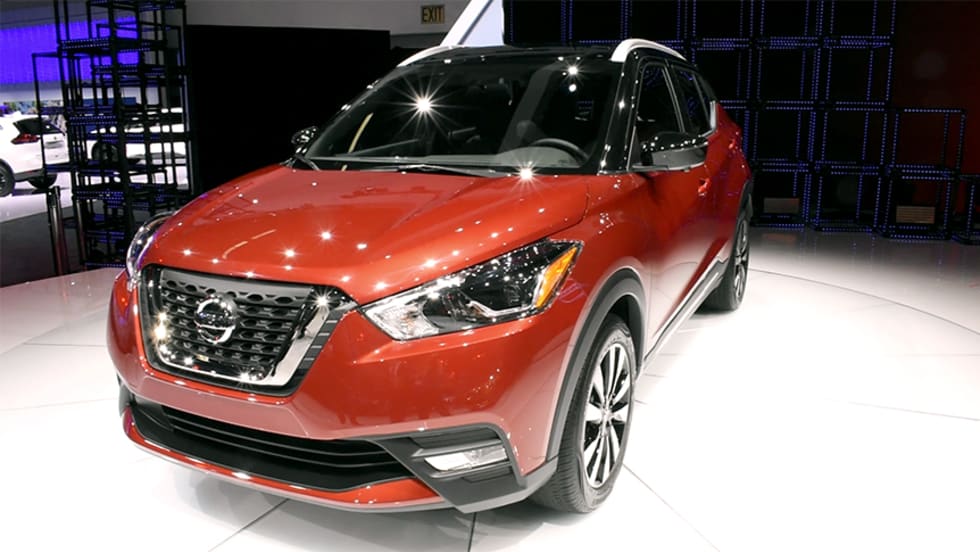
Read More →Michael Bunce, VP of product planning for Nissan North America, takes Automotive Fleet on a walk-around of the 2018 Nissan Kicks highlighting its design features, cargo space, and standard safety features, including automatic emergency braking and forward collision warning.
Read More →Technology is impacting accident costs on all sides, from helping to reduce the number of overall accidents to increasing the cost of accident repairs.
Read More →