


 MENU
MENU SEARCHMENUSEARCH
Loading data...

The cargo management solutions provider partners with FMCs to bring enhanced value in product, process, and service to their mutual customers —the fleet manager and fleet driver.
Read More →
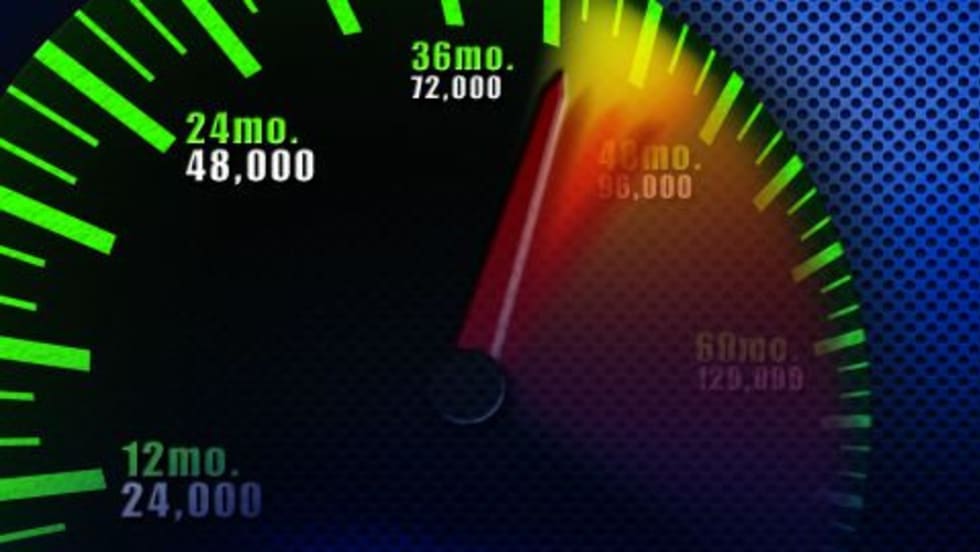


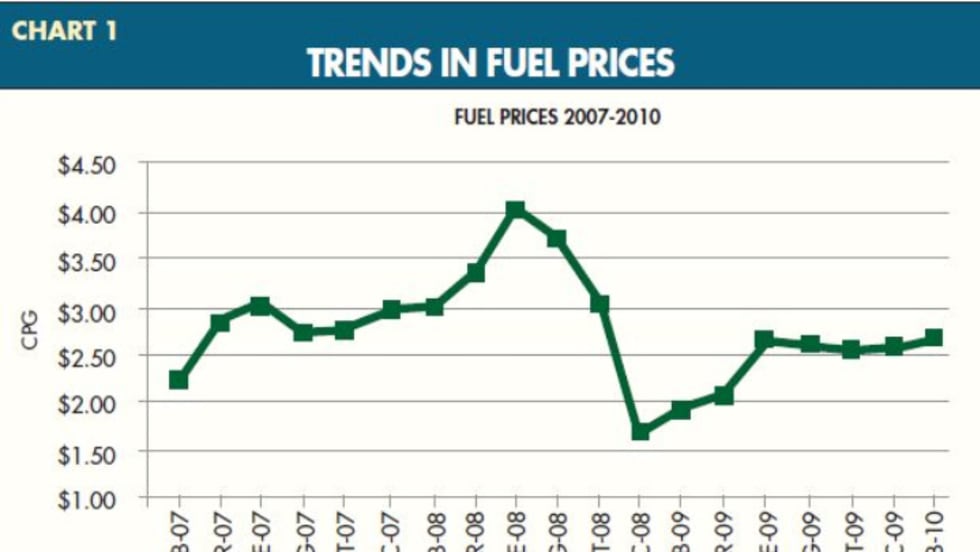

Stable fuel prices were the primary reason fleet costs remained flat. Also, national accounts did not increase prices for oil changes and replacement tires. Maintenance costs were up for fleets that extended vehicle cycling.
Read More →Lengthening vehicle replacement cycles significantly affects such bottom-line important issues as fleet maintenance budgets, fuel economy, resale values, safety and ergonomics issues, company image, and driver morale.
Read More →As the automotive industry remains an ever-changing force in tough economic times, in-house fleet managers are integral to leading a cost-effective and productive operation. And recognition leads to more innovation.
Read More →Automotive Fleet congratulates the 2010 Professional Fleet Manager of the Year, Michael Sims of the Church of Jesus Christ of Latter-Day Saints. Sims was recognized for his leadership in the industry and cutting-edge processes.
Read More →DES PLAINES, IL - Wheels, Inc. recently announced the addition of Greg Besio to its Board of Directors.
Read More →It will become more expensive to operate a fleet in the coming years. Vehicle acquisition costs will increase. Fuel prices, in all likelihood, will trend upward and maintenance costs will ratchet higher due to more companies adopting extended replacement schedules. In addition, vehicle-related taxes will increase. Let's examine the dynamics that will force fleet expenses to escalate.
Read More →With budget constraints encouraging more fleets to be creative with their cost-cutting strategies, fleets in many business sectors are experimenting with extended cycling. Read on to find out the advantages and disadvantages.
Read More →A front-line participant for four decades, Helene Kamon, VP of sales for AmeriFleet, shares observations of past and future changes in the fleet industry, as well as women’s experiences in the field.
Read More →Fuel costs, the largest fleet operating expense, declined dramatically in the 2009 calendar-year due to a sharp decline in worldwide consumption. Also, many fleets have downsized, which contributed to a lower overall fuel spend.
Read More →