


 MENU
MENU SEARCHMENUSEARCH
Loading data...
The fundamental requirements of your business necessitates minimum fleet equipment specifications that, as a result, pre-define the expense parameters from both a fixed and operating cost perspective. If you acquire vehicle assets that best fulfill your fleet application, then any supplemental cost reduction will only be based on incremental refinements The best way to achieve additional cost reduction is by modifying driver behavior.
Read More →
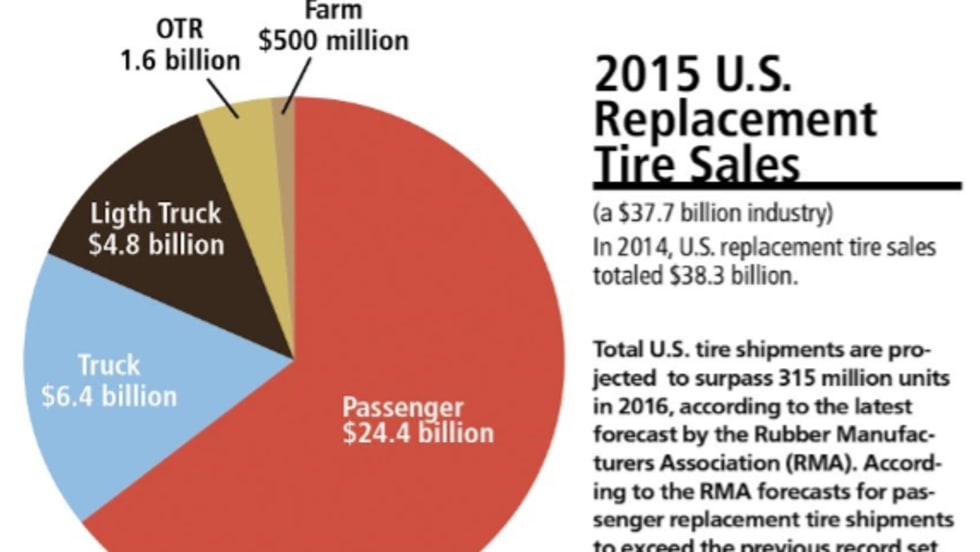

As a wear item, tires are a depreciating asset. Your job, as the fleet manager, is to slow the rate of depreciation. Replacement tires as a cost category are a fleet’s second-largest operating expense, exceeded only by fuel. By maximizing tire tread life, you lower per-mile costs, resulting in fewer premature removals and optimizing the condition of tire casings, allowing for multiple retreads.
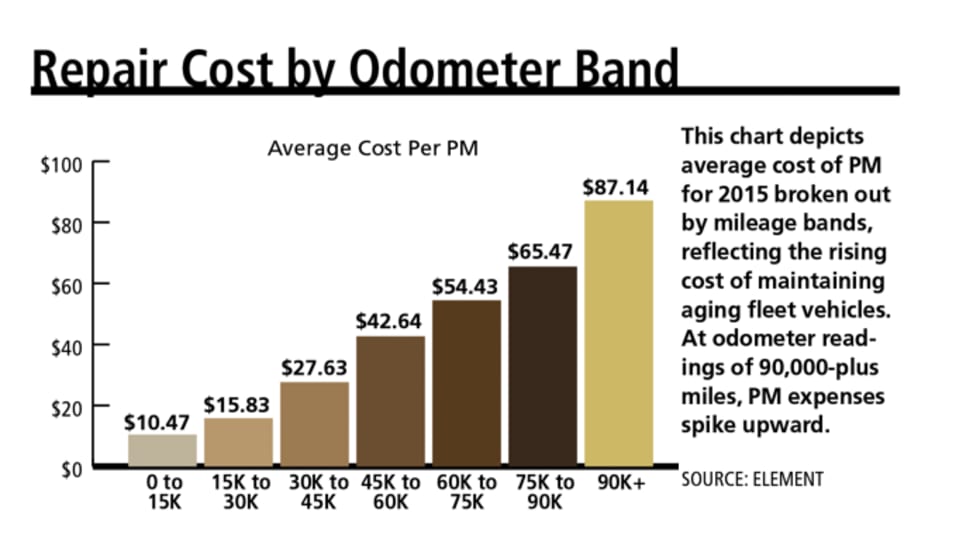
Read More →The auto OEMs continue to adopt more stringent motor oil requirements, which increases the cost of each PM service. But, the intervals between services have continued to widen, mitigating some of the additional costs.
Read More →Fleet maintenance costs have remained flat over the past 12 months, compared to CY-2015, despite price increases in replacement parts and labor rates. The primary factor keeping prices flat is overall vehicle quality.
Read More →Replacement tire prices for CY-2016 are flat because of less volatility in the global prices of commodities used to manufacture tires, namely oil, rubber, and steel. The forecast is for a continuation of price stability into CY-2017.
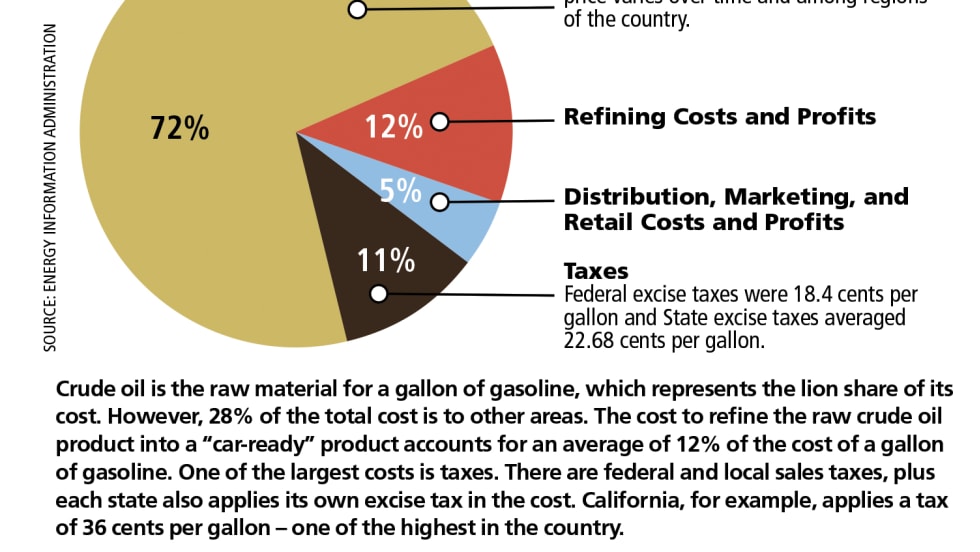
Read More →The stability of gasoline and diesel prices over the past 36 months has been the No. 1 factor contributing to keeping fleet operating costs flat. Vehicle acquisition and used-vehicle prices are strongly influenced by low fuel prices.
Read More →With fuel representing 60% of a fleet’s total operating costs, lower fuel prices are keeping overall fleet costs flat. Also, vehicle build quality is high, curbing maintenance costs, and lower commodity prices have stabilized tire prices.
Read More →Although total cost of ownership is usually thought of in terms of fixed and variable vehicle expenses, vendor fees play a role as well. Here are some strategies fleet managers can use to reduce both.
Read More →The more expensive the asset, the longer it is kept in service; however, the need for short-term cost savings prompts some fleets to even further extend cycling parameters and defer replacements. But, what are the consequences?
Read More →