


 MENU
MENU SEARCHMENUSEARCH
Roundabouts reduce collisions because vehicle must slow down, but they can be tricky to navigate. Here's how to do it.
Read More →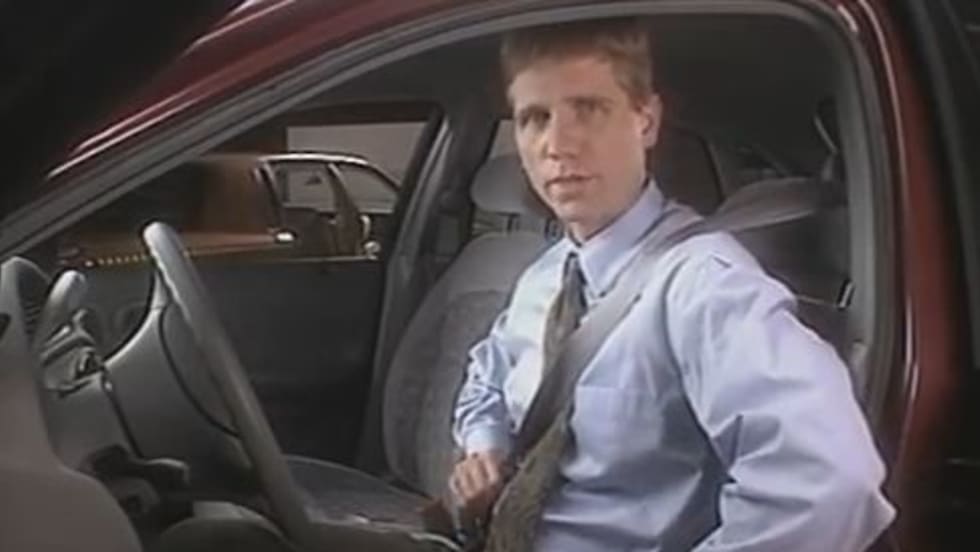
While reducing collisions is priority number one, fleet drivers should know how to reduce their risks in the event of a crash.
Read More →
Debris in the road or from an unsecured load falling off another vehicle is a roadway hazard. In fact, a study from the AAA Foundation for Traffic Safety found 39,000 injuries and more than 500 deaths from those incidents between 2011 and 2014.
Read More →
Reducing motorcycle fatalities — and keeping your fleet drivers safe — begins with an understanding of how to fleet drivers should operate around motorcyclists.
Read More →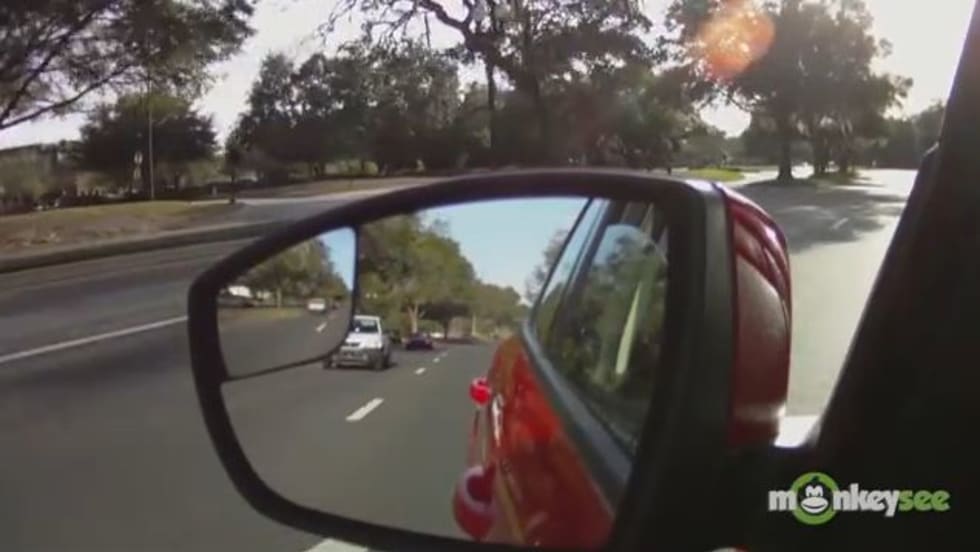
When you're behind the wheel, what you see — and what you don't see — can mean the difference between a safe ride or a sudden collision. That's why properly setting your mirrors to minimize blind spots is critically important.
Read More →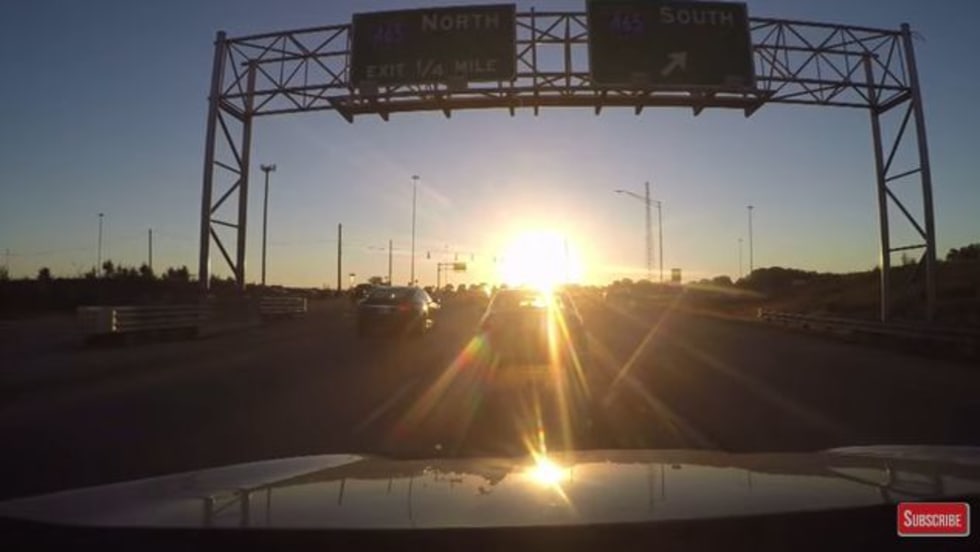
Sunrise and sunset are two of the most dangerous times to be behind the wheel because the driver's view and vision are compromised. It's due to the fact that the light sky prevents a driver's eyes from adjusting to the dark roadway, which makes it very challenging to see pedestrians, cyclists and even other vehicles.
Read More →Spring rains can often mean fog is on the horizon. Dense fog poses a serious driving situation because few conditions restrict visibility more than dense fog.
Read More →Cyclists have a legal right to the road. As a driver, showing respect and courtesy when sharing the road can help cut down on accidents and save lives.
Read More →
Experts say 350 to 400 Americans drown in submerged vehicles each year, accounting for up to 10% of all drowning deaths. That's more than the number of people who drown in boating accidents, according to the Centers for Disease Control.
Read More →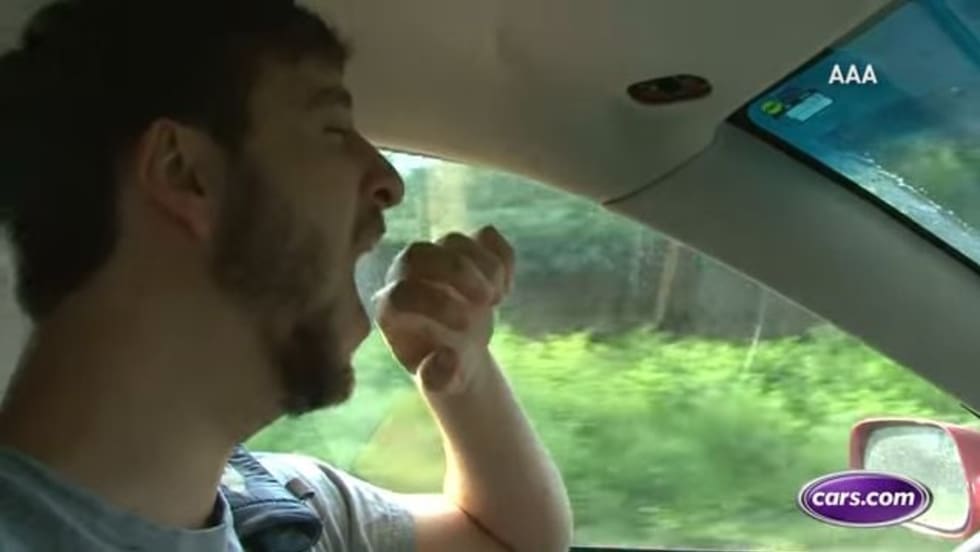
Fatigue can have deadly consequences on the road. Sleepy drivers cause nearly one in 10 crashes nationwide and drivers who skimp on sleep — getting just five hours of shuteye nightly — nearly double their risk of a crash.
Read More →