


 MENU
 SEARCHMENUSEARCH
Loading data...

The California Highway Patrol and state Office of Traffic Safety kicked off a distracted driving campaign on Oct. 1 in an effort to combat the problem.
Read More →



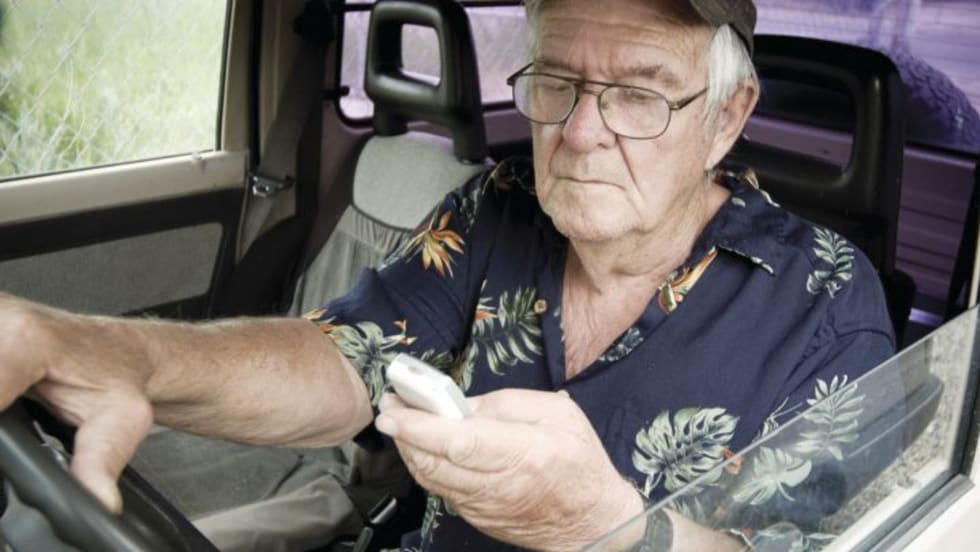
Iowa, Massachusetts, and Missouri may soon pass new distracted driving cell phone laws.
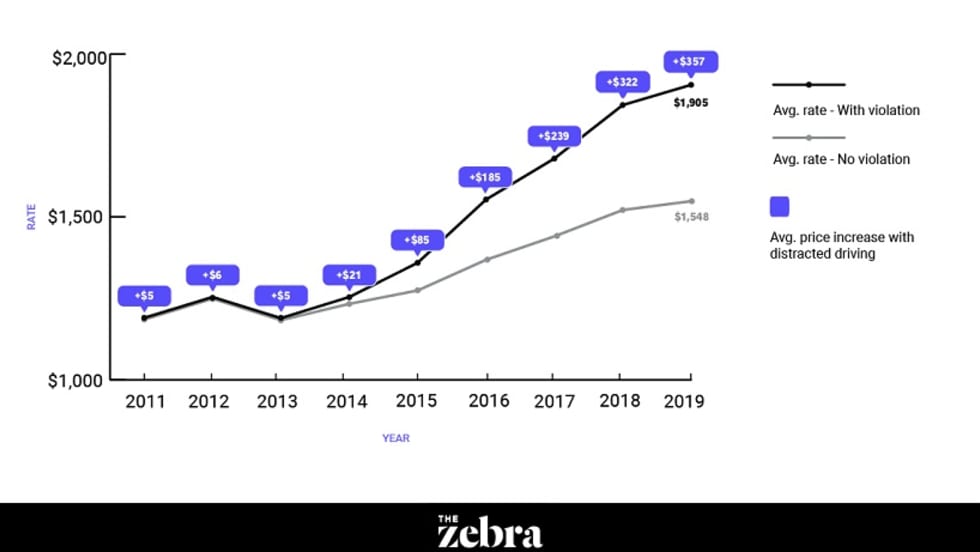
Read More →Since 2011, the average insurance penalty for distracted driving has increased exponentially, going from $5 to $357 in 2019.
Read More →AAA survey finds a 46% decline in Washington drivers sending texts while behind the wheel compared to 2018.
Read More →FARMINGTON HILLS, MI – Researchers have conducted a four-year, $4-million study — with major funding by the U.S. Department of Transportation through the National Highway Traffic Safety Administration — to evaluate how drivers balance their attention between the road and other activities, such as tuning the radio, listening to books on tape, dialing a hand-held cell phone, and entering a destination into a navigation system.
Read More →Netradyne recently released distracted driving consumer survey findings as well as commercial fleet data from its customer base to illustrate how to combat the problem.
Read More →The National Highway Traffic Safety Administration (NHTSA), the National Safety Council (NSC) and the Emergency Responder Safety Institute (ERSI) have all stepped up efforts to raise awareness of the dangers of distracted driving during the month of April, which is National Distracted Driving Month.
Read More →About 12% of executives say they don't worry about the liability associated with a crash caused by a distracted driver employee, and 74% don't consider distracted driving to be of great concern, according to a new survey.
Read More →According to 2012 statistics from fleet safety company Fleet Response, drivers aged 26-35 and 46-54 are neck and neck (24.4 percent versus 24.1 percent) when it comes to the percentage of those involved in accidents.
Read More →Nearly 96% of drivers believe reading a text or email on a hand-held cellphone while driving is very or extremely dangerous as compared with 79.8% who feel the same way about talking on a hand-held cellphone, according to a new AAA study.
Read More →