


 MENU
MENU SEARCHMENUSEARCH
Loading data...
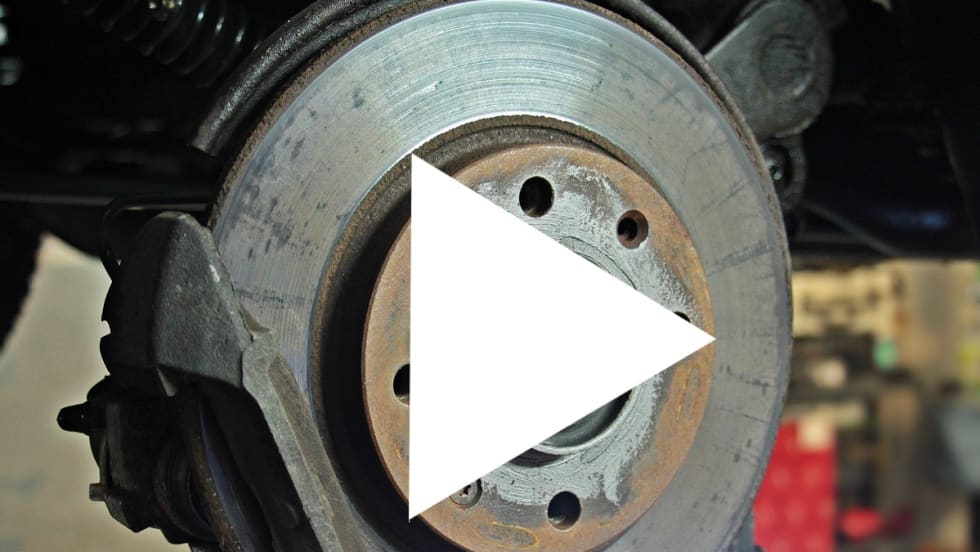
Faulty brakes that work inefficiently or sporadically greatly increase the chances of a collision. In fact, brake-related issues are a common cause of accidents.
Read More →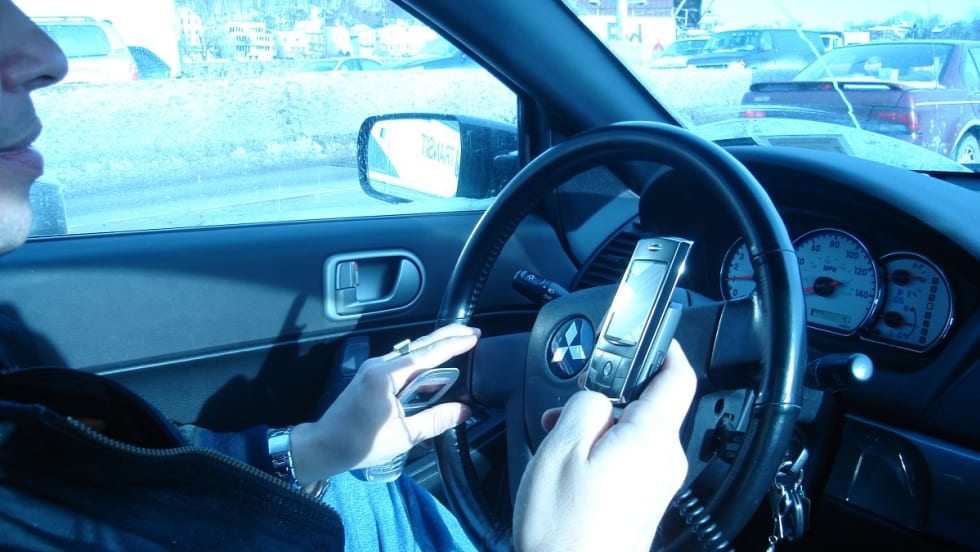



Air-troopers and troopers on the road from the Ohio State Highway Patrol (OSHP) are teaming up to catch distracted drivers.
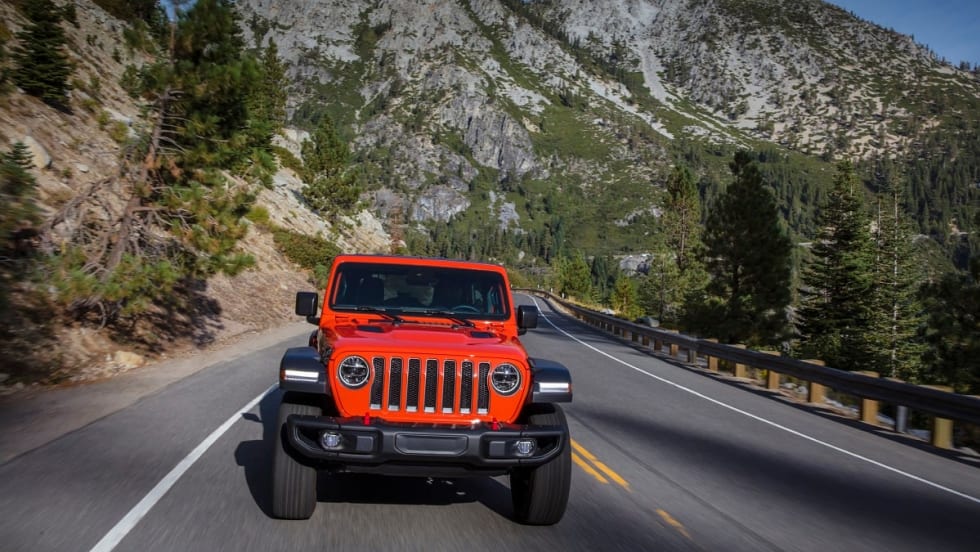
Read More →Fiat Chrysler Automobiles is recalling an estimated 3,005 2020 Jeep Wrangler vehicles because the left side lower control arm bracket and weld may be incorrectly positioned.
Read More →If a driver can’t see what’s adjacent or behind to his or her vehicle it greatly ups the chances of getting into a collision.
Read More →This situation could result in the vehicle being overloaded, which increases the likelihood of a collision.
Read More →CalAmp has developed a new suite of telematics services that includes collision alert, driver behavior scoring, and asset tag management, which was designed for service, construction and government fleet markets.
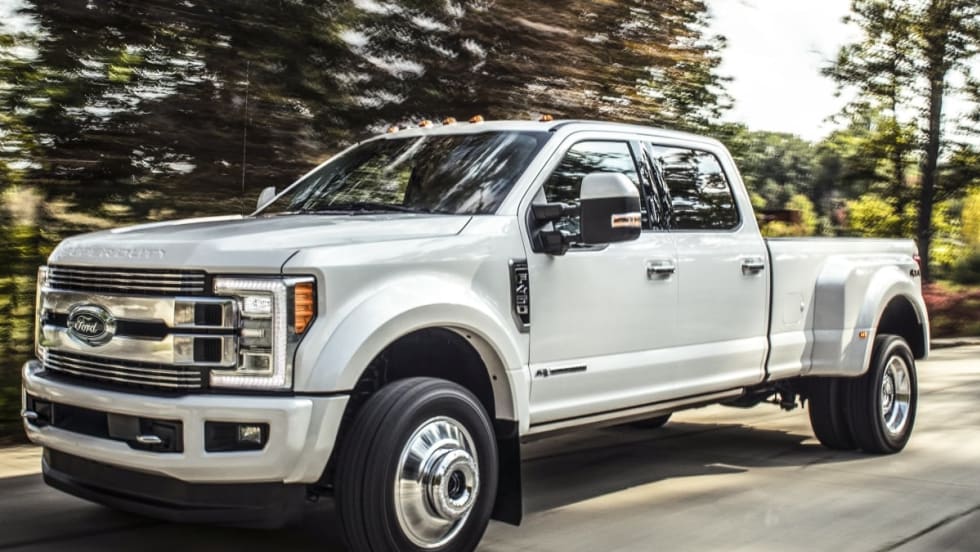
Read More →The trucks' daytime running lights may not dim when the headlight switch is moved into the “on” position, reducing visibility and increasing likelihood of a collision.
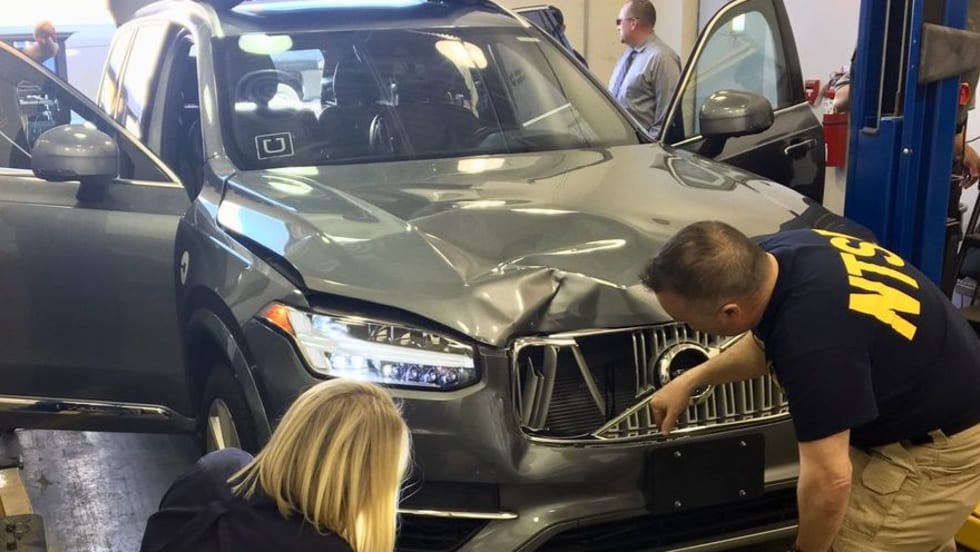
Read More →During a board meeting held to determine the probable cause of the March 2018 crash in Tempe, Ariz., the NTSB said an Uber Technologies Inc. division’s “inadequate safety culture” contributed to the fatal collision between an Uber automated test vehicle and a pedestrian.
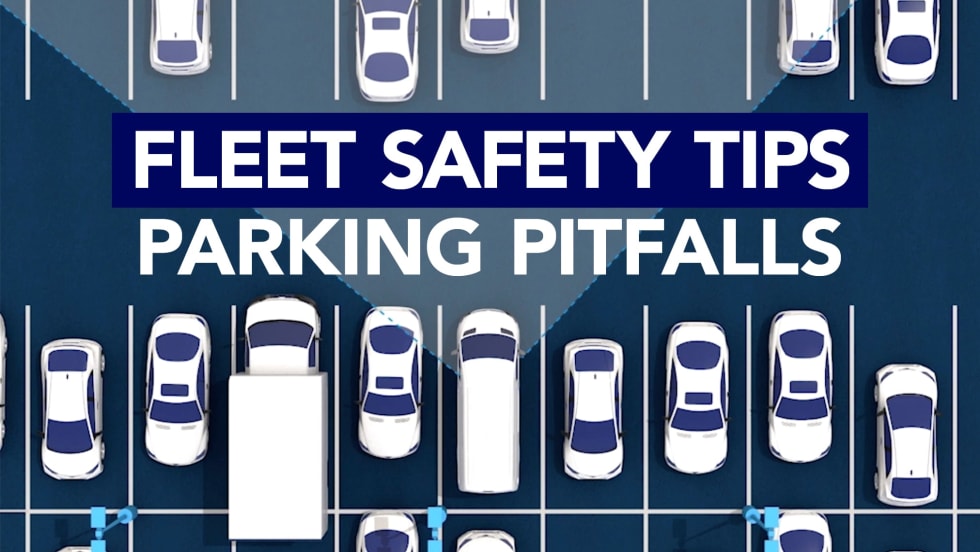
Read More →When drivers effectively and safety navigate parking lots and garages, they can save their corporation costs stemming from low-speed collision repairs.
Read More →Arizona-based Integrated Landscape Management improved safe driving habits and safety compliance through the integration of Lytx's driver safety program.
Read More →