




Nifty Products through the Years
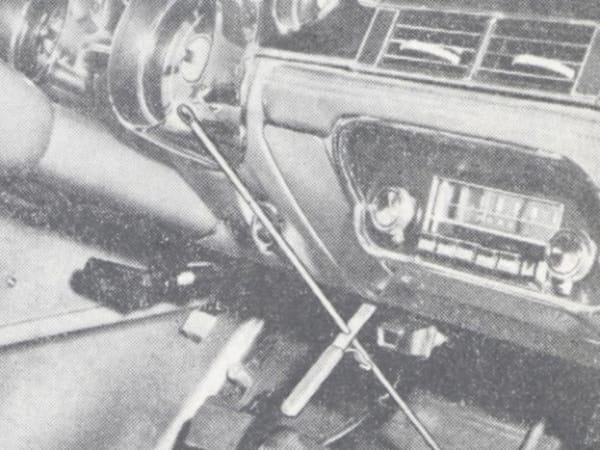
In this 1967 feature, we showed reader the Deflect-O Corp. gas pedal depressor, used to hold down the accelerator in parked cars and trucks to warm or cool the interior during extreme weather, to recharge batteries, and to run motors during a tune-up.
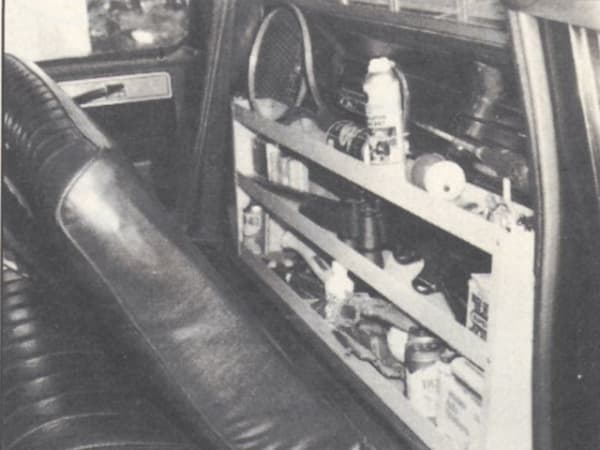
This behind the dash storage caddy from 1985 was stashing food (and whatnot) for long hauls and all-day sales trips.
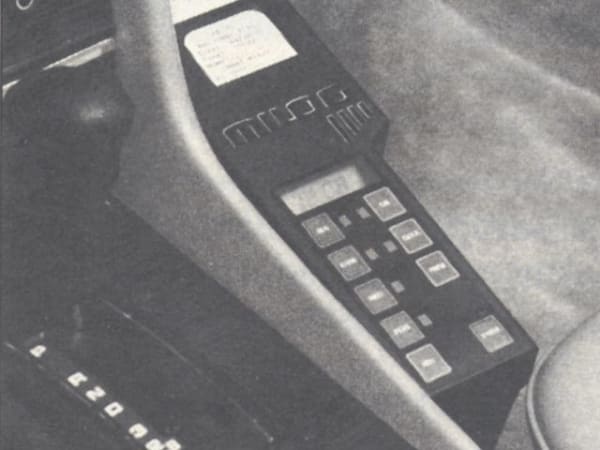
The Milog car computer, read the story in the 1985 issue of AF, "is available to aid drivers in maintaining a record of business trips. Mounted inside the car, the Milog - short for "mileage logger" - will automatically verify and record the number of miles the vehicle travels. At midnight each night, the built-in printer prints a log of the day's trip on cash reigster tape."
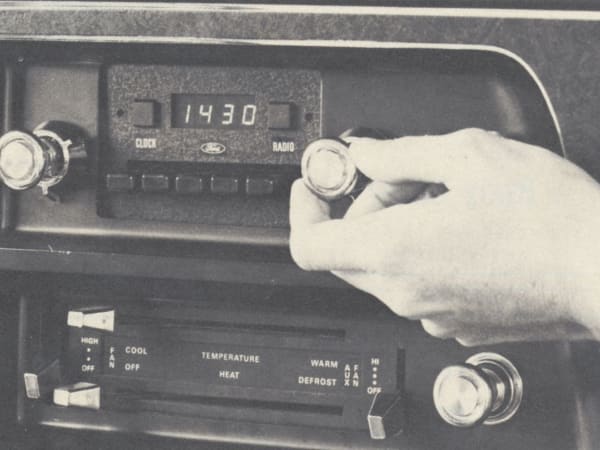
An AM radio with an electronic digital display that shows either radio frequency or time at the touch of a button is being introduced by Ford Motor Company as a factory-installed option on several 1978 mondels. Time is displayed automatically when the driver turns on the ignition. If the radio is off while the igniition is on, the radio displays the time continuously. [from December 1977]
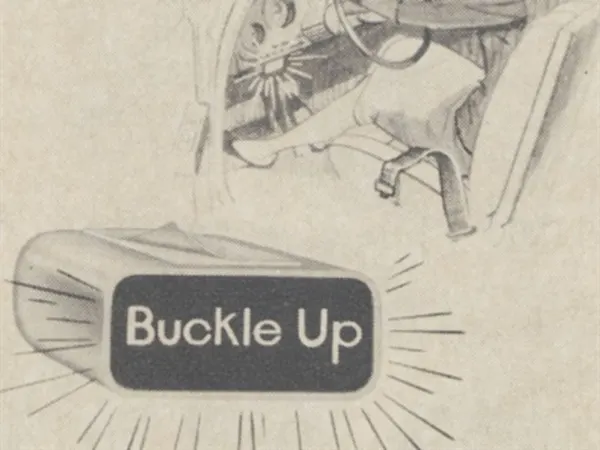
Long before the automatic alarms we take for granted today, Gor Don Industries (Minneapolis) developed the Buk-L-Lite, a sonic reminder to buckle up. The inexpensive device is said to easily attach to any seat belt. It features a flashing red light on the dash that warns driver and passsengers to buckle seat belts. The light flashes when the engine is started and shuts off when the seat belt is buckled.
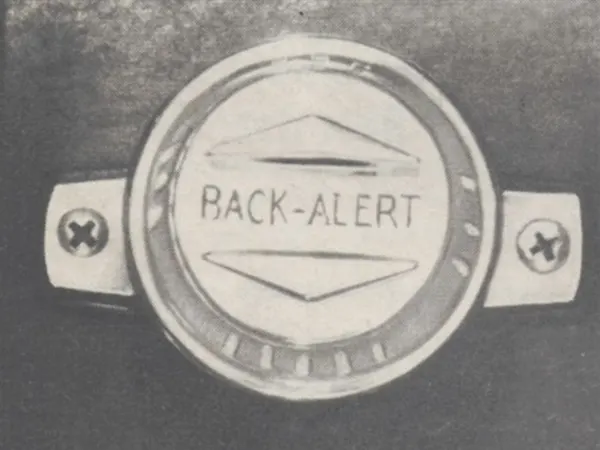
A precursor surely to today's video backup monitor, the Back-Alert would sound whenever a car was put into reverse. A buzzing sound alerted pedestrians and other motorists outside of the car to stay clear of the car's path. [1966]
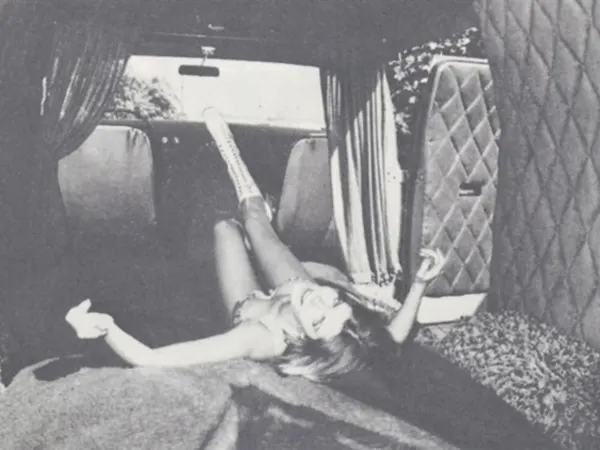
Marketed in 1972 as the "Sin Bin," this Dodge Tradesman Van was being offered by Chinook Mobilodge and had as standard equipment shag carpeting, padded walls and ceiling, and a 600-gallon waterbed. What, no stripper pole?
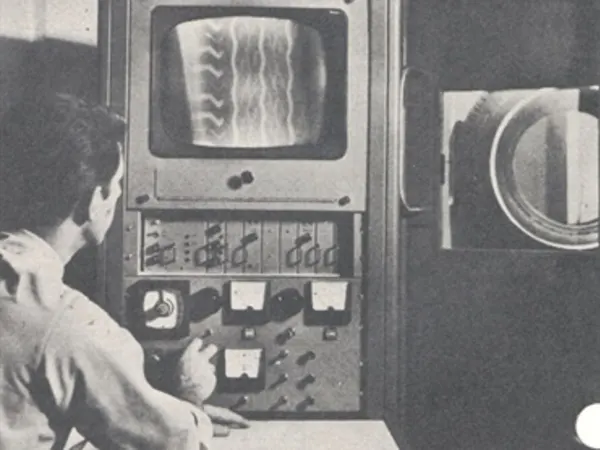
[1970] This was a newly developed instrument which X-rays a tire and then projects the picture onto a 17-inch tv screen to evaluate tires.
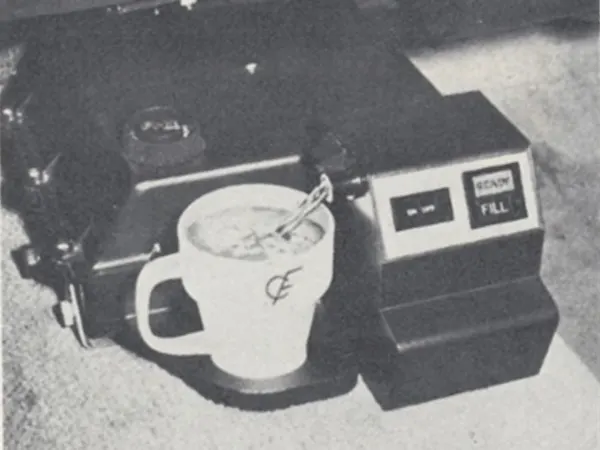
A compact circulating water pump kept auto interiors warm for up to one hour after the engine was turned off. It was designed for anyone who needed to sit in a parked vehicle in cold weather but needed to save gas, reduce engine wear, and eliminate the possibility of carbon monoxide poisoning. Designed for taxis, police, delivery trucks, and public utility vehicles, the system consisted of a 12V DC motor and a magnetic drive that powered a pump impeller. [1977]
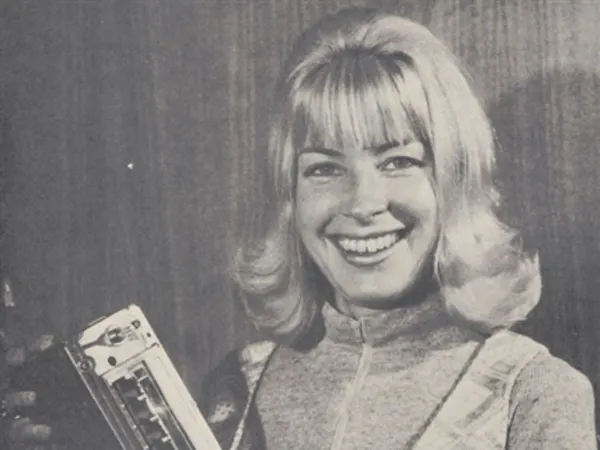
In 1972, Pontiac experimented with an electronic warning device that consisted of a small radio transmitter-receiver activated by a driver pressing his horn. A buzzer or warning sounds in the car ahead, operating through the car's radio speaker. Pontiac engineers felt that there was a need for an electronic safety horn because of how many drivers kept their windows up.
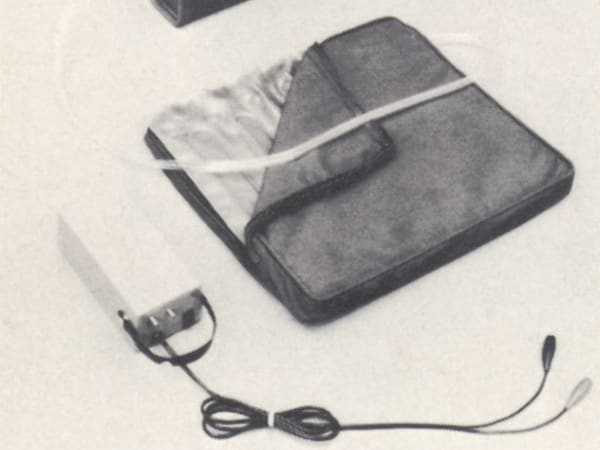
This is not a whoppee cushion. This is an "alternating pressure seat pad" from Grant Airmass, debuted in 1985. It was designed to reduce fatigue and numbness from proling sitting for truck drivers, cabbies, and business people who spend long hours behind the wheel. The pad uses parallel air columns that alternately inflate and deflat to promote circulation.
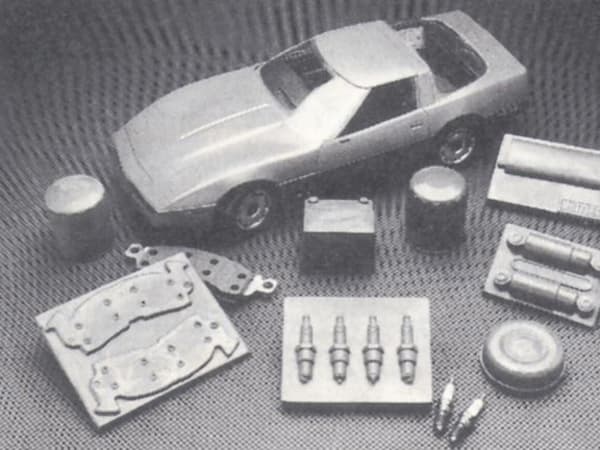
Chocolate parts for companies celebrating an anniversary
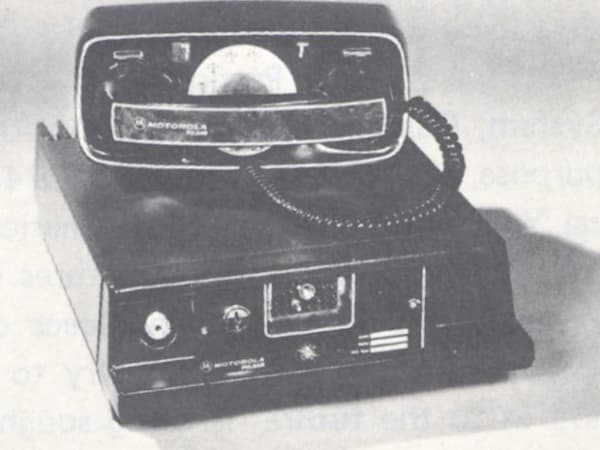
The Pulsar mobile phone unit (circa 1973) had a conventionla handset. From the unit, the call would go through a base station and a Pulsar control termine to the landline phone network.
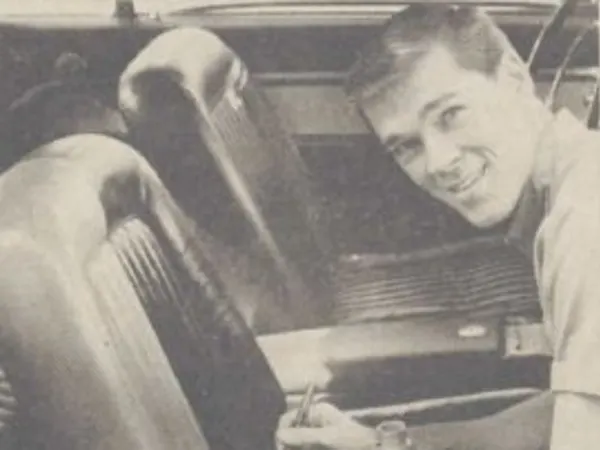
In 1965, Shu-Mak-Up advertised its product called Color-Hit, which allowed you to change the color of your seat. Promising "hundreds of different shades ... even tiger, zebra stripes, or leopard spots" the product was applied with a brush directly to leather, vinyl or plastic seats with a camel hair brush.

These dispoable protective coveralls were supposed to provide convenient and inexpensive protection for clothing while performing auto service work. It wasn't clear in the description, which ran in AF in 1996, whether business drivers were expected to don the garb themselves and get to work on their vehicles.
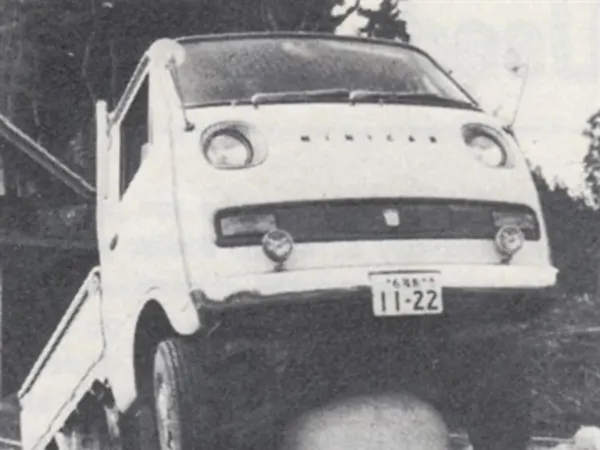
While the engine is idling, the deflated "Bull Bag" (made by Bull Bag West of San Pedro, CA) is placed under the vehicle, hose attachment is slipped onto the exhaust pipe, and the bag inflates to raise the vehicle in less than one minute. Ideal for changing tires, installing changes, or escaping bad terrain.
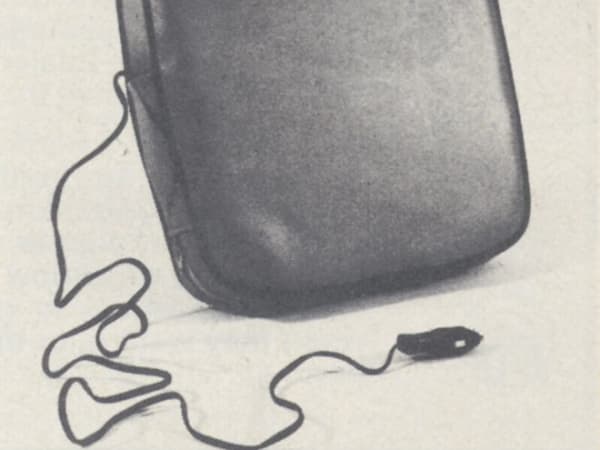
A new seat cushion called the Driver Reviver providers a smooth back and shoulder massage when plugged into a car's cigarette lighter. The cushion is 14 X 12 inches and is 3-inches thick, and fits snugly against the back rest of any carseat. It features a high power, long life 12V carbon brush motor and 6-foot plug-in cord that allows use by driver or passenger. [12/1977]
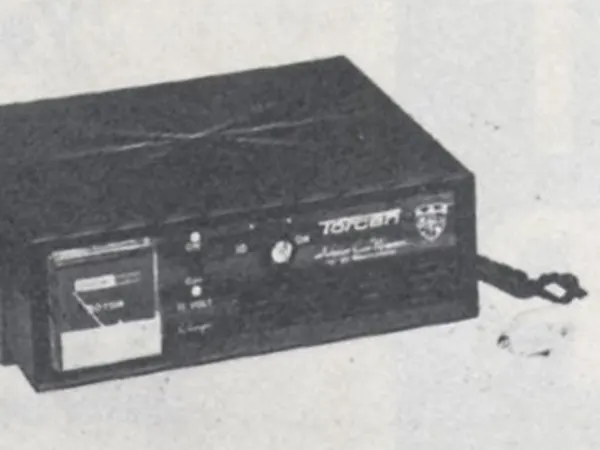
This interior car warmer (designed by Phillips Mfg. of Minneapolis, MN) was designed to keep the car interior warm and the windows frost free, even in sub-zero weather. This model doubled as a trickle charger through the cigarette lighter.
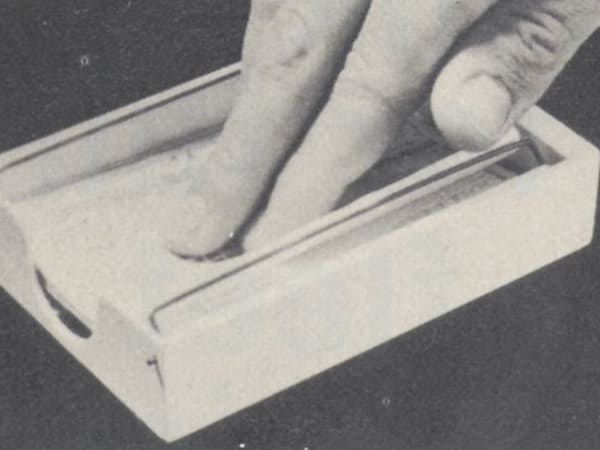
[11/1977] A new device is being offered which solves the problem of gasoline credit card receipts littering cars and getting lost when they are needed. The receipt trap holds up to 75 gasoline credit card receipts on a spring-loaded platform. Adhesive mouting pads are used to install the device on the glove compartment door or dashboard. The product was distributed by Warren Marketing.
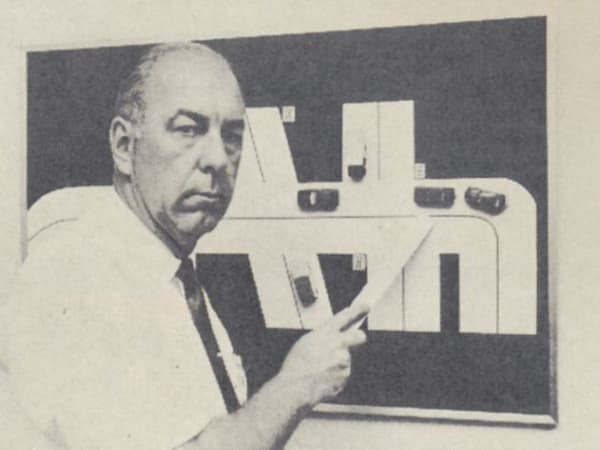
Accident re-creations went high-tech with this new product in 1972. "This new system for Driver Training is now available on a magnetic board."
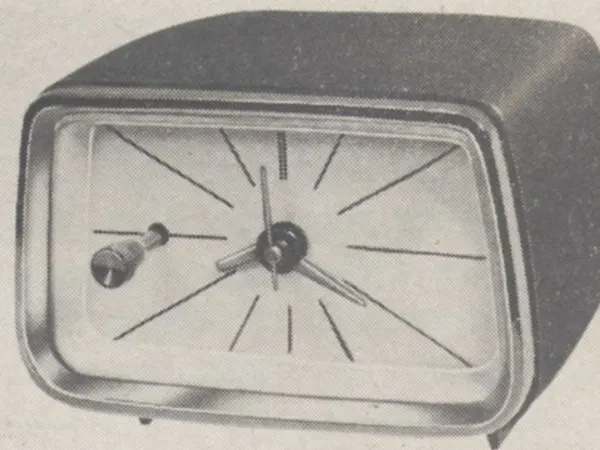
We take the in-dash clock for granted, but in the 1960s, it wasn't standard. Gilwin Corp. of Jersey City, NH, made this Pacer portable clock that would run six months on a C battery. A fiber mesh mat on the bottom of the clock keeps it securely fastened to any surface, resisting vibration and jolting.
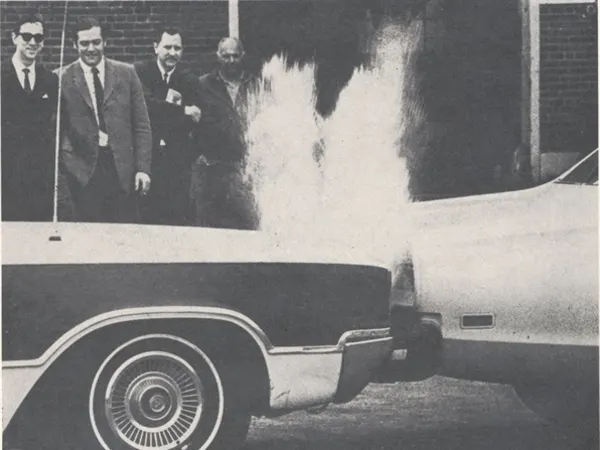
The water bumper, shown here in 1970, was an attempt to save some of the $5-$6 billion spent each year on minor accidents, those that occurred at under 15 MPH.
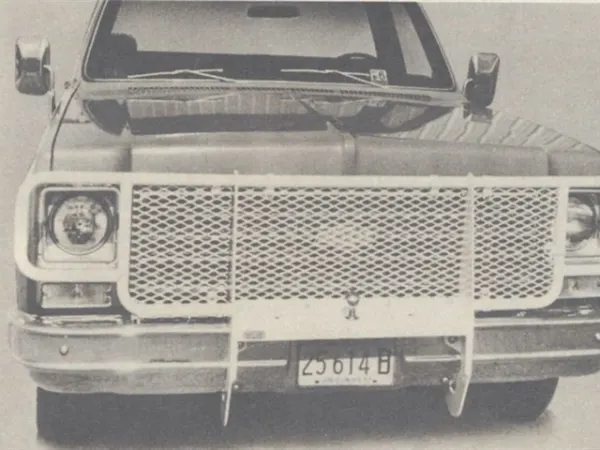
In 1977, this new Master Guard combination brush and grille guard was available for all domestic light duty trucks. From Flex-N-Gate, the guard was made of seamless steel tubing and had a corrosion-resistant polyester paint finish. Mounted to the frame without welding, it could be used to mount a hitch ball, winch or driving lights.
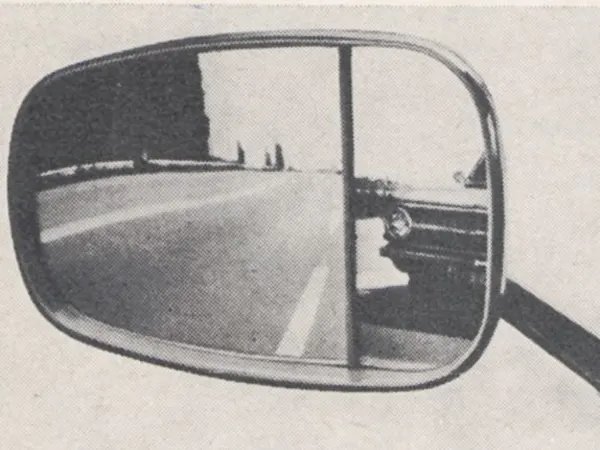
This 1970 patented split glass feature of the Zonetti mirrors were supposed to increase road visibility by 40% and eliminate blind spots. The larger mirror shows the usual road angle view, the smaller gives full vision of cars passing out of driver's vision.
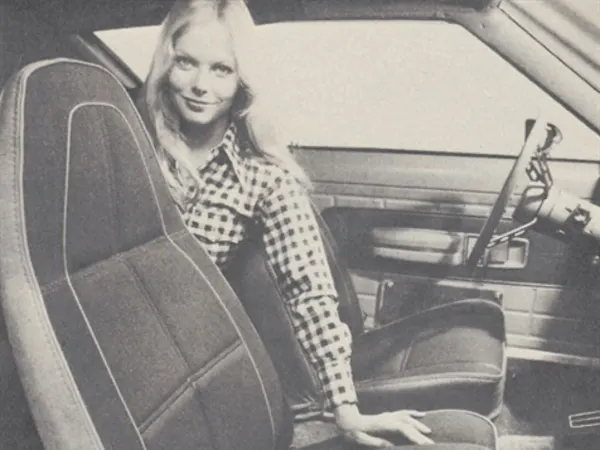
This 1972 AMC Gremlin featured upholstery done in Levi's original indigo blue jeans with copper rivets. Door panel inserts, sun visors, headliner, snap-off map pouches, and carpeting were all color-coordinated with the Levi's front and rear seat upholstery.
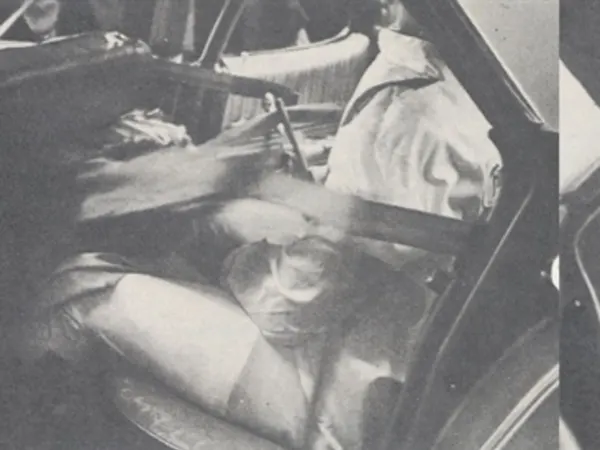
An August 1970 story showed this new passenger protection system which could be installed for under $100 and featured an automatically activated "security blanket" that restrained passengers. Demonstrated by Firestone and in development for two years, it was an obvious precursor to airbags.