




Learn More: Inside Hyundai's Fleet Strategy
Inside Hyundai’s ‘Chess-Piece’ Design Strategy
Hyundai has undergone a remarkable transformation in its design philosophy over the past five or six model-year cycles, and corporate fleets are taking notice.
At the 2025 LA Auto Show, Automotive Fleet connected with Hyundai Product Manager Miles Johnson to discuss the brand’s approach to vehicle design, including distinct model identities, aerodynamic features, lighting signatures, and interior layouts.
Johnson shared how Hyundai employs a “chess-piece strategy,” allowing each model its own design identity rather than applying a uniform look across the lineup.
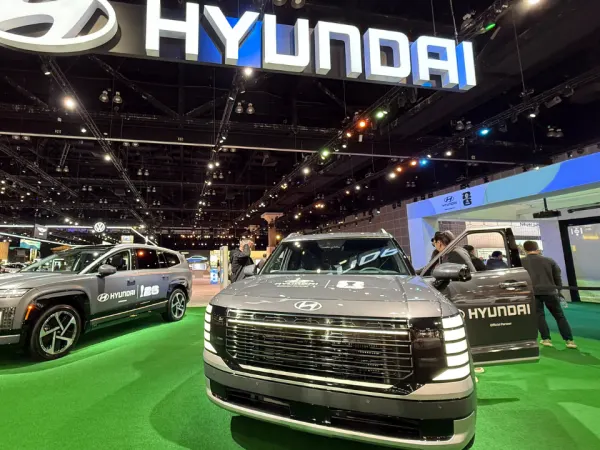
“All the cars are able to have a unique design,” Johnson said, describing Hyundai’s “chess-piece strategy.” Unlike brands with a uniform look, each Hyundai model is designed with its own identity.
Photo: Chris Brown
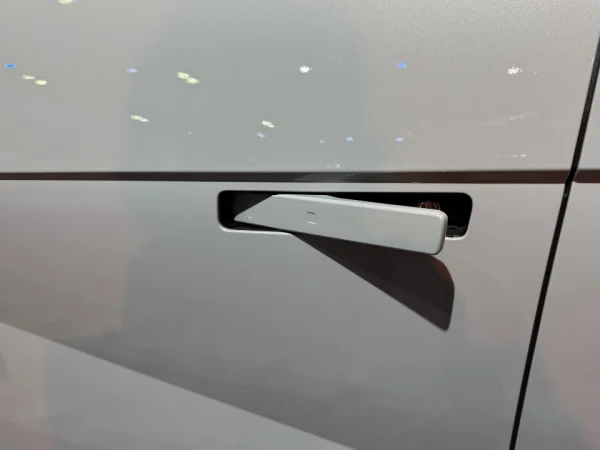
Hyundai’s EVs use flush handles because “every little piece of aerodynamics you can achieve, you’re going to do that,” Johnson noted, especially to offset battery weight.
Photo: Chris Brown
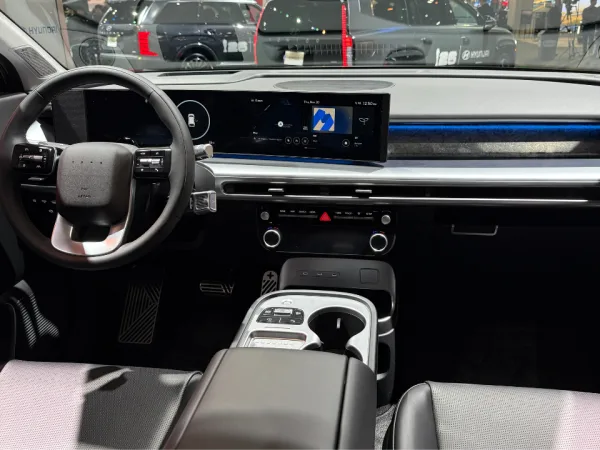
According to Johnson, Hyundai’s cockpit design focuses on clarity and ease of use, with a clean display layout supported by physical knobs and buttons for the functions drivers use most.
Photo: Chris Brown
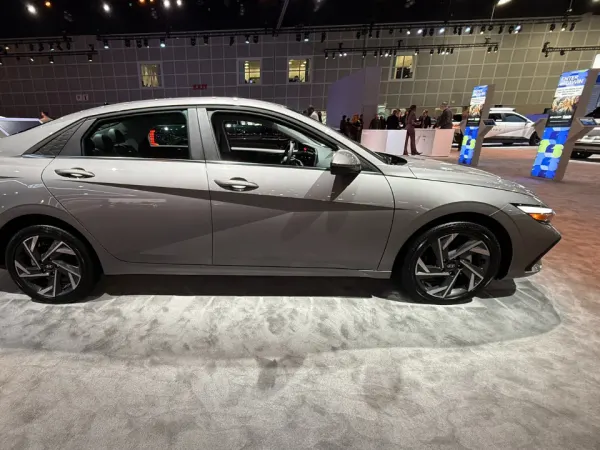
According to Johnson, Hyundai’s sedans are shaped with their own identity — the Elantra (pictured), Sonata, and Ioniq 6 each follow unique design themes, from smooth aerodynamic lines to more traditional sedan profiles, rather than mirroring the brand’s SUVs.
Photo: Chris Brown
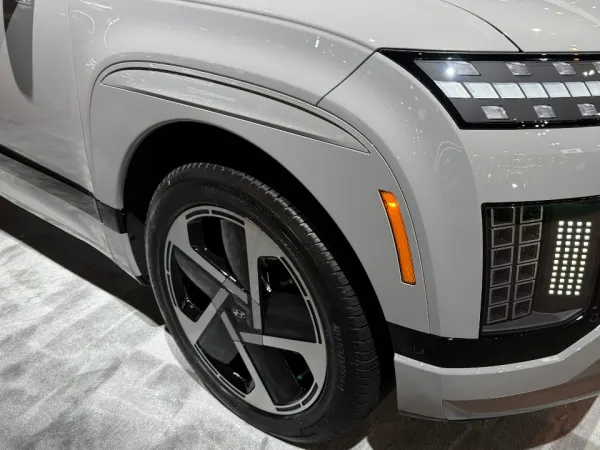
Whether hybrid or EV, Hyundai sculpts elements such as rooflines, spoilers, and wheel designs to “break up the wind and make it sleek,” according to Johnson.
Photo: Chris Brown
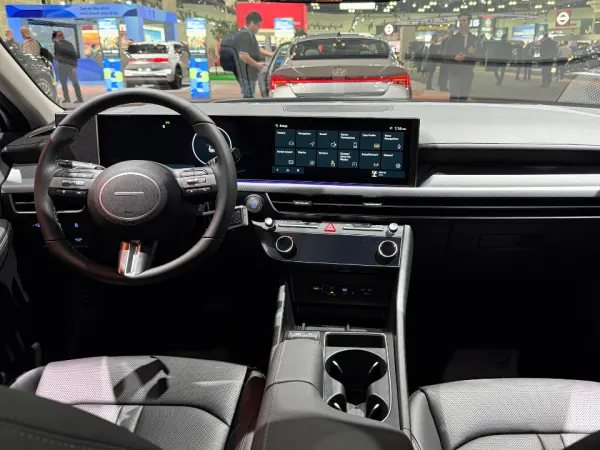
Hyundai uses a consistent infotainment layout meant to be “very easy to use” with familiar placement and readability. Johnson noted that Hyundai’s Apple CarPlay and Android Auto pairing is “one of the simplest in the industry.”
Photo: Chris Brown
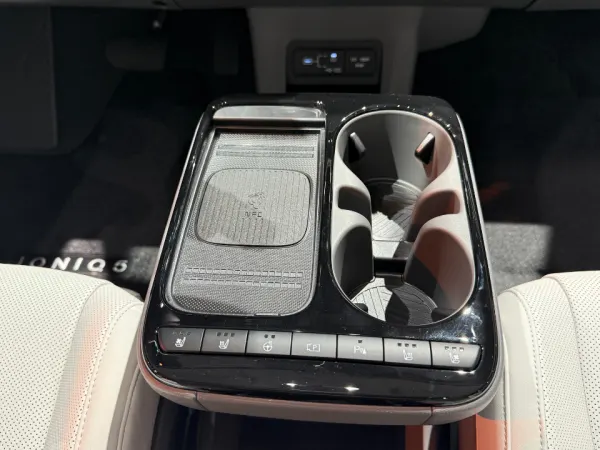
“We still like buttons and knobs,” Johnson emphasized. Essential controls remain physical to support “eyes on the road, hands on the wheel — simple, simple, simple.” The Ioniq 5 has unique seat heater button placement on the center console.
Photo: Chris Brown
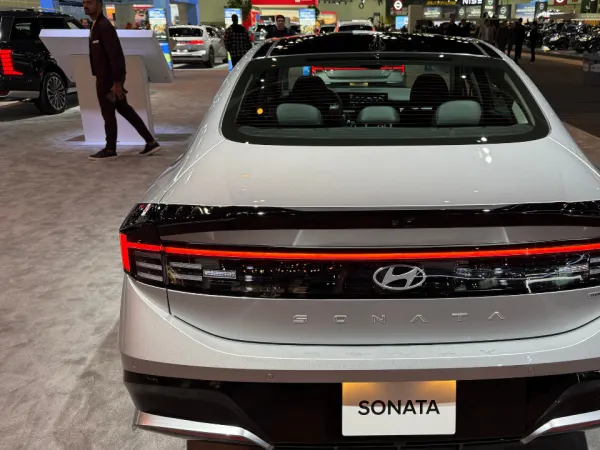
The “H-theme” light bar also carries onto the back of the sedans, including Sonata.
Photo: Chris Brown
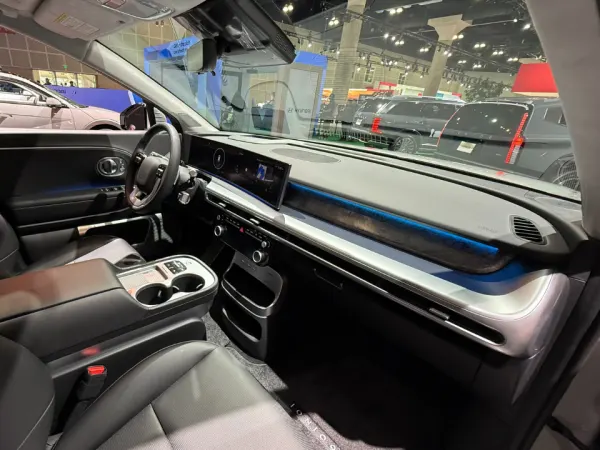
Hyundai prioritizes interior room — “super, super comfortable,” Johnson said — with EVs gaining even more space thanks to the flat floor and flexible sliding console designs.
Photo: Chris Brown
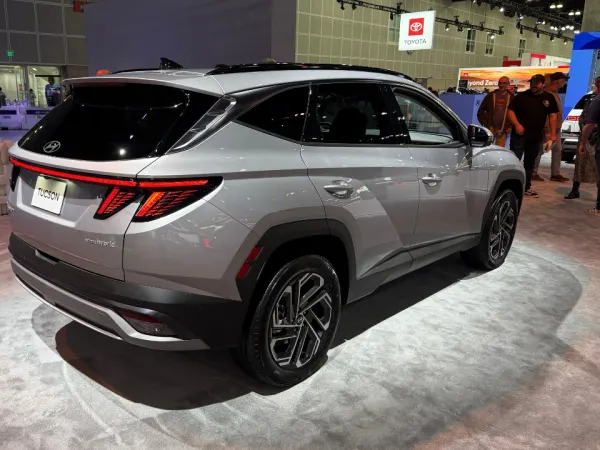
Hyundai’s hybrid models apply the aerodynamic principles Johnson described — using roofline, spoiler, and body shaping to improve airflow and efficiency.
Photo: Chris Brown
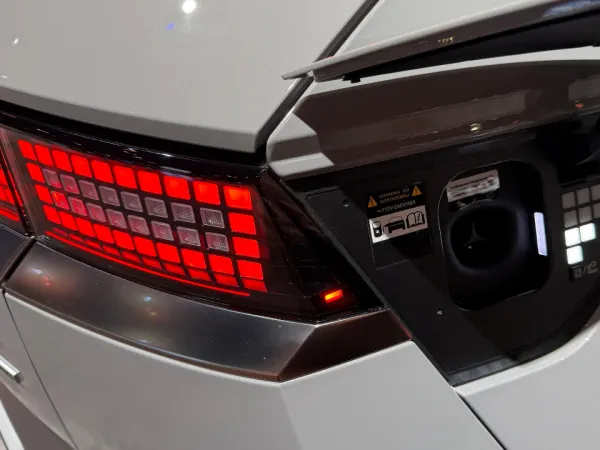
The Ioniq models share a pixel design language — seen in taillamps and charging indicators at the charge port — a unifying cue that, as Johnson described, “carries throughout the entire car.”
Photo: Chris Brown
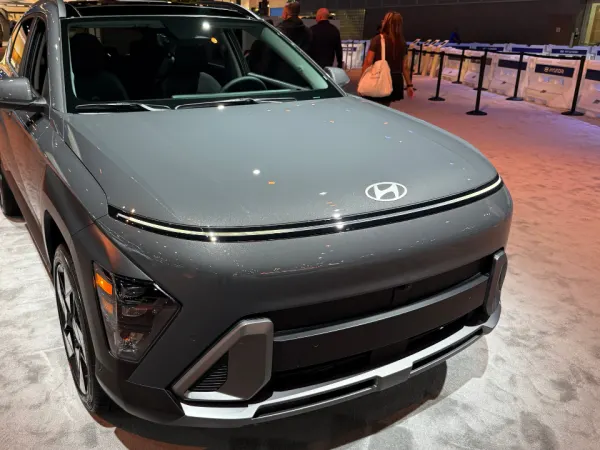
“All the lighting is in-house,” Johnson said, adding that pixel graphics and the “H-theme” light bar give Hyundai models a recognizable signature while still allowing variation across vehicles.
Photo: Chris Brown