




Why You Should be Bullish About the Future of Fleet Management
Fleet management has migrated from the garage to the Excel spreadsheet. We don’t have to wonder anymore about whether that compact car really is more expensive to operate than a comparable small SUV. Now the data can give us the answer.

For those who subscribe to the theory that the fleet manager is on verge of extinction, this year’s Professional Fleet Manager of the Year award ceremony at the Automotive Fleet and Leasing Association (AFLA) meeting would have been shocked to see the number of fleet managers in attendance. They would have been shocked at the accomplishments of our finalists. They would have been shocked at the dollars involved, the efficiencies gained, and the bottom line contributions that were made by 2016 AF Professional Fleet Manager of the Year George Survant and semifinalists Lee Jezek-Pierce and Phil Samuelson.
I’ve been around long enough to remember when this business was dominated by an always confident, always loud, and always correct crowd of experts who maintained that fleet management was an art form that couldn’t be comprehended by the common folk. The average fleet manager 20 years ago may have seldom been correct, but he was never in doubt. Today’s generation of fleet managers are making data-driven decisions, and have turned the art into a science.
George, Lee, and Phil are three prime examples of individuals who are going to great lengths to measure every aspect of their business, because, as the experts say, you can’t manage what you can’t measure. And if you are managing 30,000-plus vehicles like George Survant is, you need to be able to measure everything. When you have an operating budget in the hundreds of millions of dollars, you better be prepared to answer the hard questions from senior management. That same thing holds true for someone managing 100 vehicles too. It’s no longer good enough to say “Because I said so” like the prior generation did.
In this era of data-driven fleet management, tracking things like depreciation, mileage, downtime, operating costs, and utilization are daily chores. Our fleet manager of the year finalists can all quote you statistics about their fleets, answer questions about trends, and they can give you truly granular data to back up the decisions they make about vehicle selection, GPS, safety, and replacement cycling. If you can’t answer those same questions, you might want to think about doing some homework on your own fleet.
Fleet management has migrated from the garage to the Excel spreadsheet. We don’t have to wonder anymore about whether that compact car really is more expensive to operate than a comparable small SUV. Now the data can give us the answer. Trucks and vans may offer some additional complications, but the same can be said about them. The data available from the OEMs, the fleet management companies, the upfitters, and from your fellow fleet managers will expose all the sins and highlight the all stars. Those spreadsheets can go a long way toward removing the mystery from fleet management.
As always, Dan Frank from Wheels and I were awed and amazed at the accomplishments of our winners this year. We were very impressed by the depth of their understanding as well as by their insights into the art and science of fleet management. And we were hopeful for the future of fleet management and fleet managers.
If you disagree, let me know.
More Blog Posts

Getting a PhD in Fleet
COVID-19 has changed how fleets connect with each other but that doesn’t mean you have to give up the opportunity to grow, learn, and get better at managing your fleet.
Read More →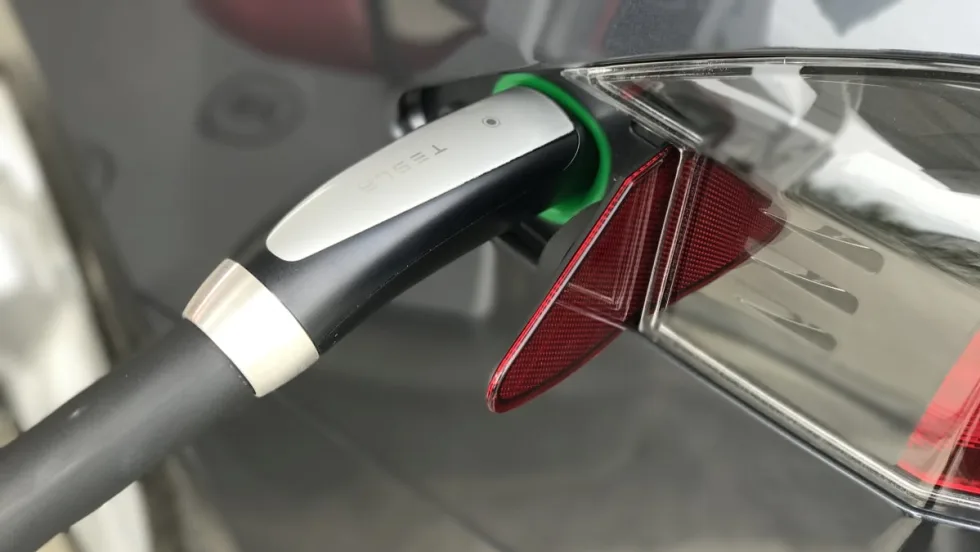
All Charged Up
There is an avalanche of new electric vehicles slated to hit the market in the next couple years. There are over 100 new models slated to hit by 2022 from the Big Three, the major imports, and from a lot of new start-ups.
Read More →
Fleet on the Rebound
Most of the key players in the fleet market are either stuck at home or working in an office but unable to travel. So we’re changing our business model to help maintain the flow of information until things get back to the way they were.
Read More →
Undertaking the Complexities of Fleet
Staying on top of industry trends to keep up with the intricacies of fleet can be a full-time job all by itself, and to be a top performing fleet requires a little forward thinking and anticipation.
Read More →
The Real Transportation Revolution
The fleet market is leading the charge on making real gains in efficiency and safety with telematics, in-cab video, and safety technologies that are available today.
Read More →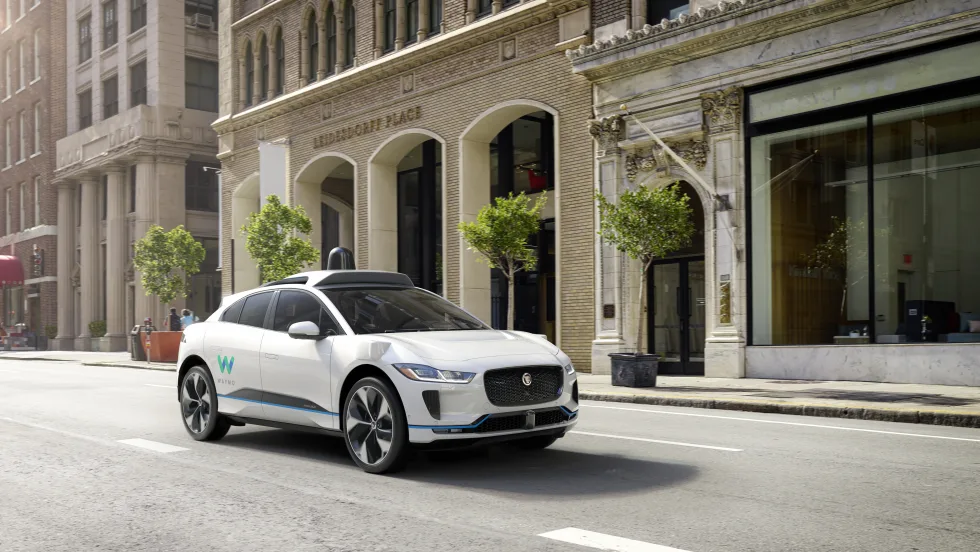
Stay Out of My Lane
Let’s get a framework in place and a legislative plan that allows us to develop autonomous vehicle technologies without putting lives at risk in the short term.
Read More →
Wrapping Up Another Year
Thanks to the strong economy that the U.S. is enjoying, U.S. commercial companies have been able to invest more money into their fleets, and strong fleet sales are a reflection of that.
Read More →
AFLA's New Canadian Conference Continues Growth Tradition
Fleets know how valuable of a resource that AFLA conferences can be, and the upcoming summit in Canada will serve as another wealth of knowledge that the association has delivered for decades.
Read More →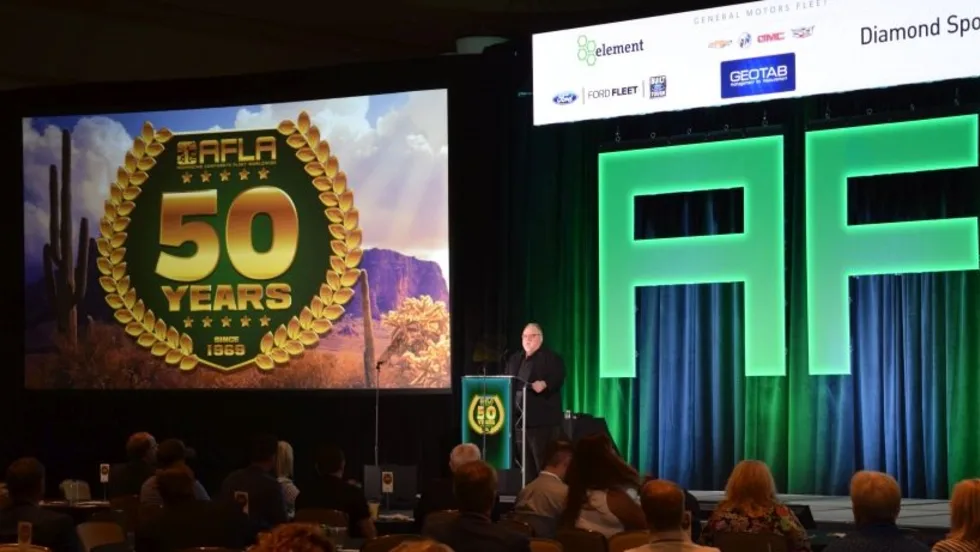
The Next Chapter
It’s impossible to attend great fleet events like AFLA and not get caught up in why is has helped make the industry so great, but equally exciting is seeing how much the association is ready to take on the evolving industry that is fleet.
Read More →
Fleet Ground Zero
You are missing out on some potentially game changing information when you don’t get out to meet regularly with your peers.
Read More →