




Getting Lost in the Electric Shuffle
While all-electric trucks have their clear benefits, they still have some hurdles. Conventional trucks will continue to play a major role in fleet, regardless of the latest craze, and shouldn’t be ignored.

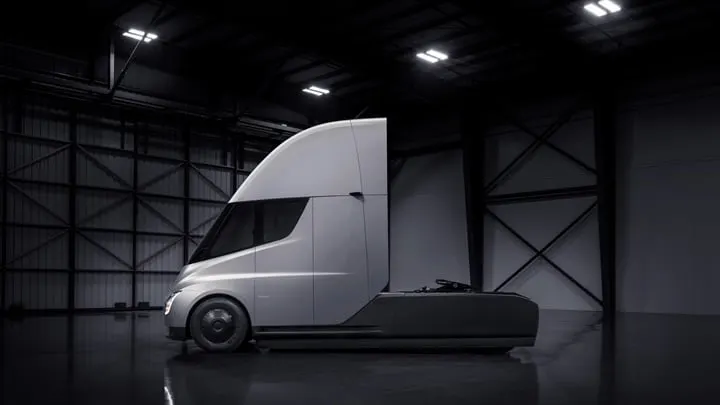
Electric commercial vehicles, like Tesla's upcoming electric Semi, could see significant increases in market share the next few decades, but conventional trucks will continue to play a major role in fleet, regardless of the latest craze, and shouldn’t be ignored
Photo via Tesla
Electric vehicles are all the rage today, with new electric trucks coming to market what seems like every week. Just to name a few, there is the new Volvo VNR, Fuso eCanter, Hino 195h diesel-electric hybrid or the Peterbilt Model 220EV. You can’t read the news without some mention of another all-new electric truck. Tesla is in on the electric trucking business and Ford just announced goals to electrify the F-Series.
With the California Air Resource Board (CARB) heavily supporting the growth of electric trucks and the rest of the country slowly following their lead it’s obvious that electric trucks have their place and use. But, while the focus lately has been leaning hard toward electric, some amazing new conventional trucks are getting ignored and lost in the shuffle.
In 2018, Ford officially announced its shift away from cars toward a greater focus on trucks. And in 2019, the automaker is bringing back the Ranger after eight years. Plus, a ton of new features have been added to the updated Super Duty lineup. And, that diesel F-150 on the market now is an absolute beast.
After being revealed at the Work Truck Show 2018, the medium-duty Chevrolet Silverado lineup is hitting dealers this year and the Silverado 1500/GMC Sierra 1500 got a complete redesign. The Silverado 1500 was even named our own Fleet Truck of the Year. And you can’t forget the GMC Canyon, or the Chevy Colorado, which marked four years of sales last year.
The all-new 2019 Ram HD lineup gets a new 6.7L high-output Cummins engine with 400 horsepower and a whopping 1,000 lb.-ft. of torque. It’s loaded up with and features two new trims just for fleets. For bigger needs, they always have the Ram 2500HD and 3500HD as well as the Ram 3500, 4500, and 5500 Chassis Cab lineup.
Hino has 12 truck models for 2019 and launched an all-new XL Series for the heavy-duty market. Cabovers continue their popularity with several models offered. Isuzu launched the Class 6 FTR and still offers a menu of lighter-duty gasoline and diesel models. Mitsubishi Fuso went to gasoline for the first time and debuted the Fuso FE Gas truck, which also has a diesel model.
International announced its all-new CV series, focusing on the Class 4-5 medium-duty vocational market. The truck is a result of a collaboration with General Motors. Freightliner continues to offer a few Class 6-8 vocational and Class 7-8 severe duty trucks. Kenworth is also a player in the medium-duty market with a number of Class 5-7 carryover conventional truck models.
Toyota’s still got the Tundra and Tacoma and Nissan continues to offer the Titan, Titan XD, and Frontier. Even Jeep is getting in on the pickup market with the launch of its 2020 Jeep Gladiator.
While all-electric trucks have their clear benefits, they still have some hurdles. Meanwhile the engineers and designers in Detroit, Japan, and across the globe have developed some amazing trucks that you can buy today. They don’t refuel on sunshine and they don’t drive themselves, but they can do wonders for reducing your operating costs and keeping your drivers safe.
Conventional trucks will continue to play a major role in fleet, regardless of the latest craze, and shouldn’t be ignored.
If you disagree, let me know.
More Blog Posts

Getting a PhD in Fleet
COVID-19 has changed how fleets connect with each other but that doesn’t mean you have to give up the opportunity to grow, learn, and get better at managing your fleet.
Read More →
All Charged Up
There is an avalanche of new electric vehicles slated to hit the market in the next couple years. There are over 100 new models slated to hit by 2022 from the Big Three, the major imports, and from a lot of new start-ups.
Read More →
Fleet on the Rebound
Most of the key players in the fleet market are either stuck at home or working in an office but unable to travel. So we’re changing our business model to help maintain the flow of information until things get back to the way they were.
Read More →
Undertaking the Complexities of Fleet
Staying on top of industry trends to keep up with the intricacies of fleet can be a full-time job all by itself, and to be a top performing fleet requires a little forward thinking and anticipation.
Read More →
The Real Transportation Revolution
The fleet market is leading the charge on making real gains in efficiency and safety with telematics, in-cab video, and safety technologies that are available today.
Read More →
Stay Out of My Lane
Let’s get a framework in place and a legislative plan that allows us to develop autonomous vehicle technologies without putting lives at risk in the short term.
Read More →
Wrapping Up Another Year
Thanks to the strong economy that the U.S. is enjoying, U.S. commercial companies have been able to invest more money into their fleets, and strong fleet sales are a reflection of that.
Read More →
AFLA's New Canadian Conference Continues Growth Tradition
Fleets know how valuable of a resource that AFLA conferences can be, and the upcoming summit in Canada will serve as another wealth of knowledge that the association has delivered for decades.
Read More →
The Next Chapter
It’s impossible to attend great fleet events like AFLA and not get caught up in why is has helped make the industry so great, but equally exciting is seeing how much the association is ready to take on the evolving industry that is fleet.
Read More →
Fleet Ground Zero
You are missing out on some potentially game changing information when you don’t get out to meet regularly with your peers.
Read More →