


 MENU
MENU SEARCHMENUSEARCH
In addition to selecting fuel-efficient assets, another way to control fuel spend is to modify driving behavior, a key variability in fuel economy. The difference between the most and least efficient drivers is a 30% difference in fuel consumption.
Read More →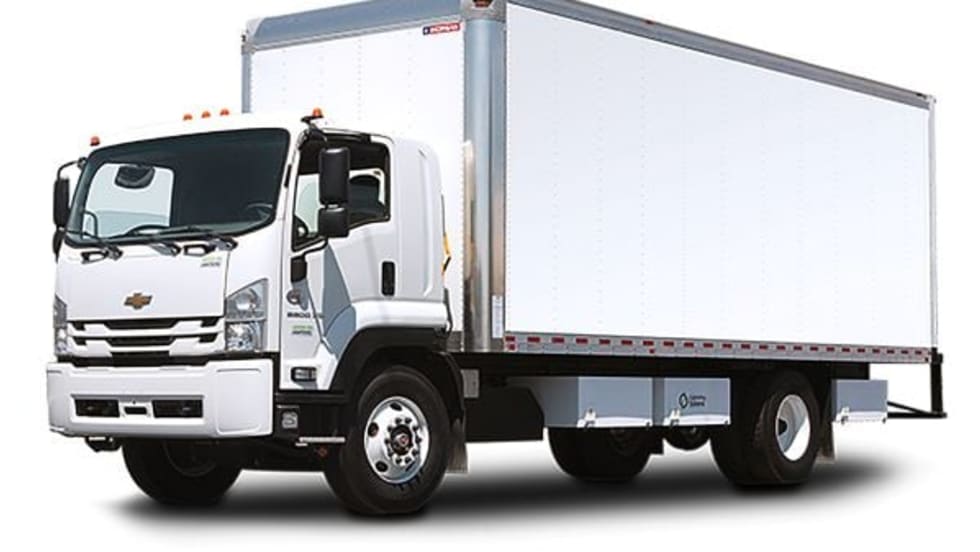
How efficient is an all-electric Class 6 delivery truck in its regular duty cycle with payloads up to 11,000 lbs.? Weight is less of an EV range inhibitor than you’d think.
Read More →
Keyless technology combined with telematics is moving beyond traditional carsharing to facilitate in-vehicle deliveries, more automated pickup and return processes, and private carsharing trips with business cars.
Read More →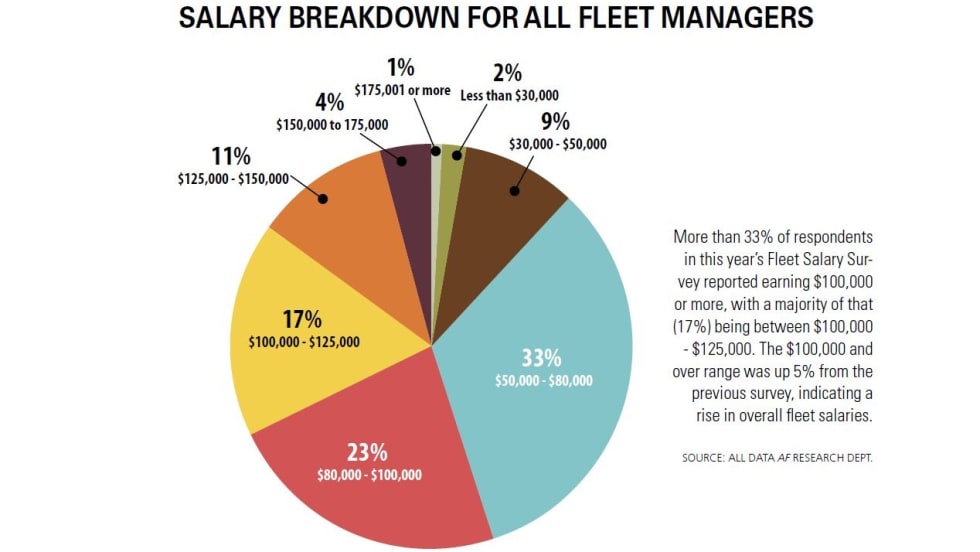
There was a jump in fleet managers who reported seeing a decrease in their salaries in 2020, though the majority continued to report annual salary increases.
Read More →
This is the final installment in a three part series that details the top trends currently impacting most commercial fleets.
Read More →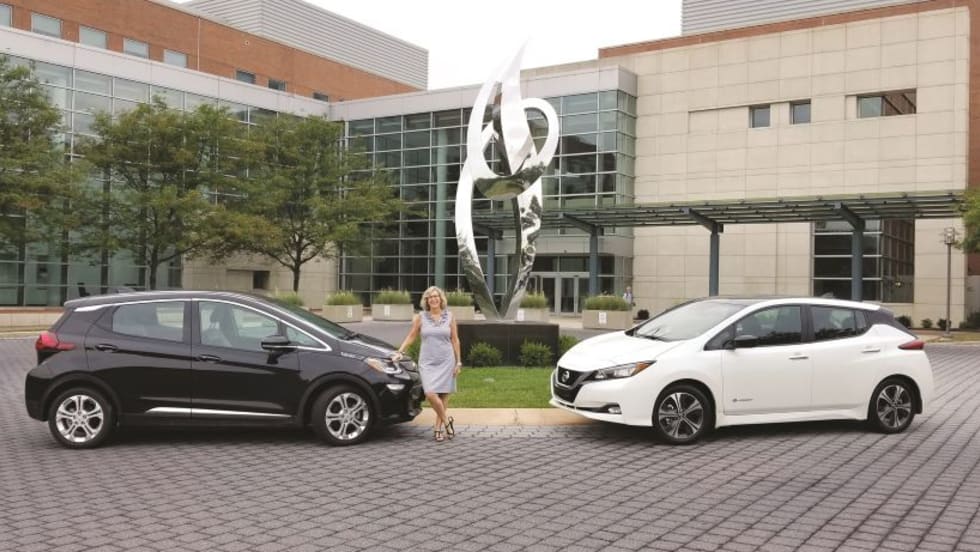
As electric vehicles are gradually implemented into AstraZeneca’s fleet, a key component to EV adoption will include a focus on educating drivers about how the technology works.
Read More →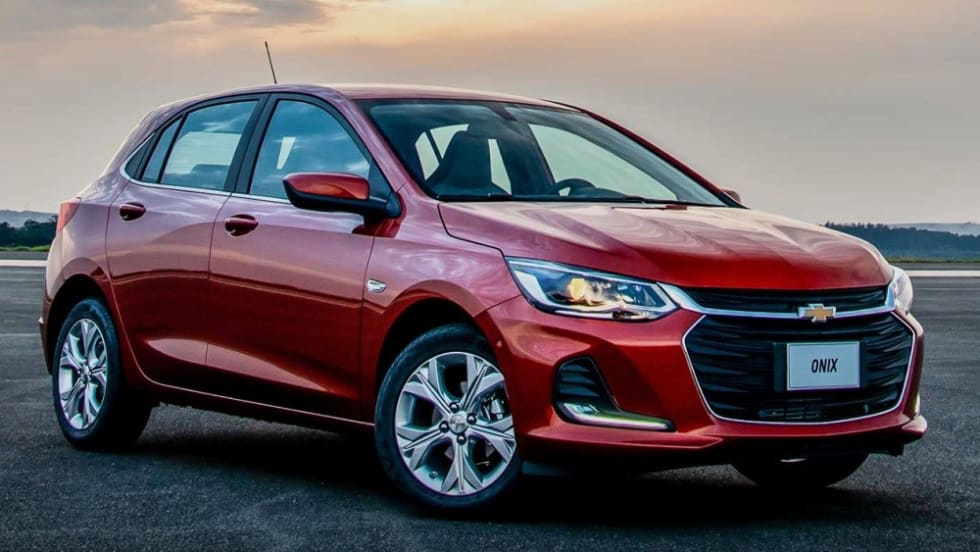
Hit with the Coronavirus pandemic just like the rest of the world, automobile sales in the 27-state nation were certainly down in 2020. A total of 1.62 million passenger cars were sold and 335,269 light commercial vehicles (LCVs) between January and December, representing year-over-year decreases of 28.6% and 15.4% respectively.
Read More →
Fleet managers are continually examining a wide range of initiatives to reduce the frequency of accidents, which run the gamut from vehicle selection to implementing advanced driver-assistance safety technology to innovative driver training programs.
Read More →
Fleet safety is a dynamic segment of fleet management and based on conversations with fleet managers in a variety of industries, following is part one in a three part series that details 15 trends currently impacting most commercial fleets.
Read More →
Driver turnover costs a company money. Engaged drivers feel more connected to their workplaces (their vehicles). Working on driver engagement can help reduce driver turnover and improve fleet safety.
Read More →