




A Seasonal Remarketing Strategy Will Minimize Vehicle Depreciation Expense
One of your top job priorities as a fleet manager is to obtain the highest resale price for each company vehicle you take out of service.


An easy way to do this is by timing your vehicle replacement to coincide with seasonal highs in the used-vehicle market -- when vehicles are bringing top resale dollar.
Leveraging Seasonal Highs
Many new fleet managers may not realize that used-vehicle prices have seasonal highs and lows. There are certain times of the year when you will get the maximum resale dollars for a vehicle. So what are the hot months for vehicle remarketing? Traditionally, the best time to sell used vehicles is in the fall (September to November) and the spring (February to May). During these months, resale values may increase as much as 20 percent, as opposed to selling the identical vehicles in winter or summer. The worst time to remarket vehicles is from late November until mid-February. Why? A lot of dealers are reluctant to put used vehicles in their inventory prior to the first of the year because they have to pay inventory tax on them. Also, as cold weather and the holiday season approach, there is a decrease in the number of buyers in the market. With more inventory than buyers, wholesale prices soften. As a result, dealers try not to carry a lot of used inventory during the winter. The exception is used 4x4 sport/utility vehicles, which usually sell well during winter months. In late February, used-vehicle acquisitions by dealers in the wholesale market usually begin to increase. After the winter season ends, dealers sell out the remainder of their inventory and are once again hungry for used vehicles. That's why the wholesale spring used-vehicle market is so strong. Also, keep in mind that certain categories of used vehicles have their own seasonal selling cyles. For instance, demand for used minivans is strong just prior to summer because this is the traditional vacation period and families are eager buyers of these used vehicles.
On the other hand, full-size sedans traditionally are in high demand in October and April. Knowing this, you can control vehicle depreciation costs by simply timing your vehicle replacements to take advantage of seasonal market highs and avoid seasonal lows. Avoid selling vehicles in mid-December through January because there is very little demand for used vehicles at that time of the year. Not only do vehicles take longer to sell, but they also sell for less. As the chart illustrates, the increase in resale price for a 1999 Taurus is $1,880 by remarketing it in October rather than in February, and $705 more for a 1998 Taurus. With a minimum amount of effort, you can lower your depreciation costs by simply remembering that fall and spring are the best times to sell your used vehicles. Let me know what you think.
More Remarketing
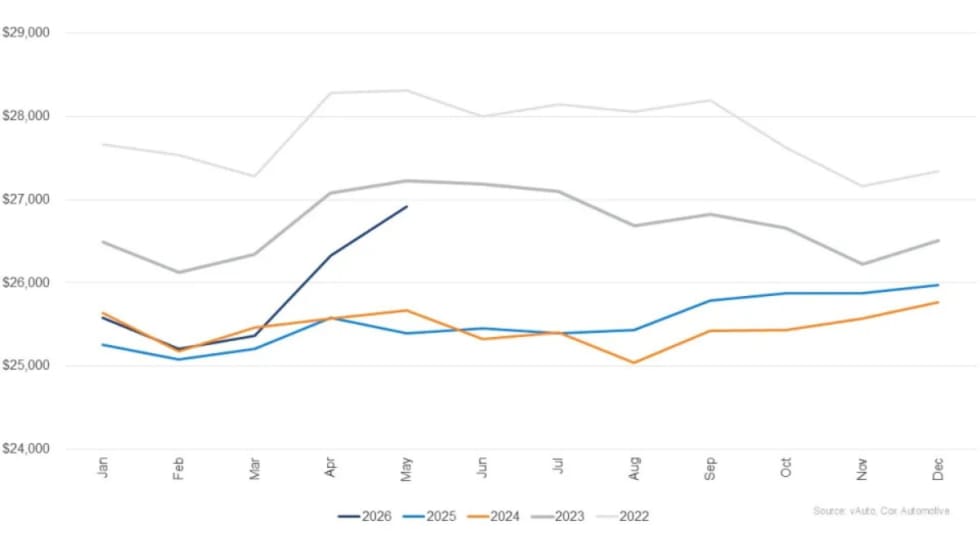
Used Vehicle Prices Climb Higher As Sales Pace Slows
The higher prices at used retail reflect strong wholesale values earlier in the spring, particularly for older, more affordable vehicles.
Read More →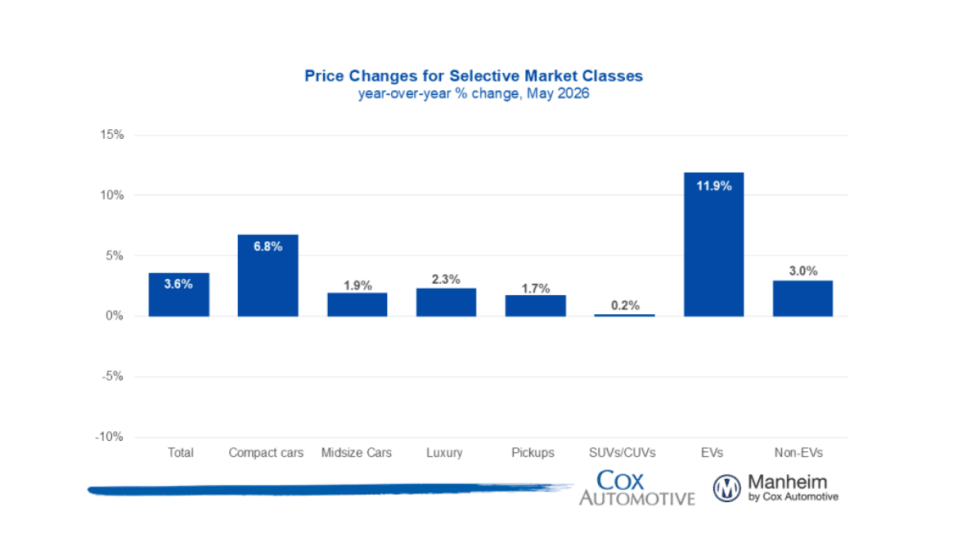
Wholesale Used Vehicle Market Sustains Moderate Rise In Values, Prices
Trends continue to normalize after a strong start to the year, as consumers contend with higher gas prices in the coming summer months.
Read More →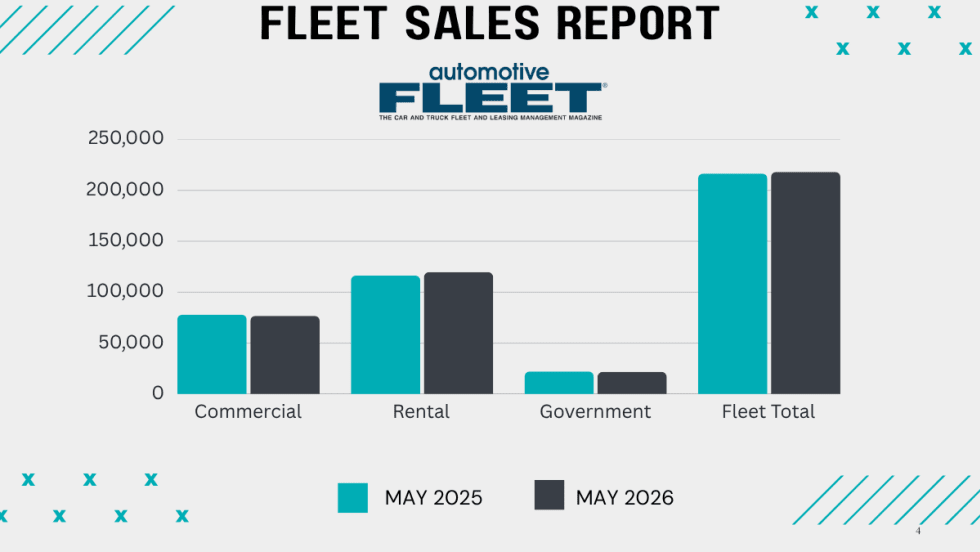
Commercial Fleet Sales Still Lead Sectors Despite May Mini Dip
The U.S. economy's continued growth and positive business investment are creating a favorable environment for fleet vehicle demand.
Read More →
How Connected Vehicle Data Is Lifting Fleet Resale Values
A vehicle health score could improve the value of fleet vehicles at remarketing. The path to a universal standard is forming, and fleets that understand the process early will be better positioned when it arrives.
Read More →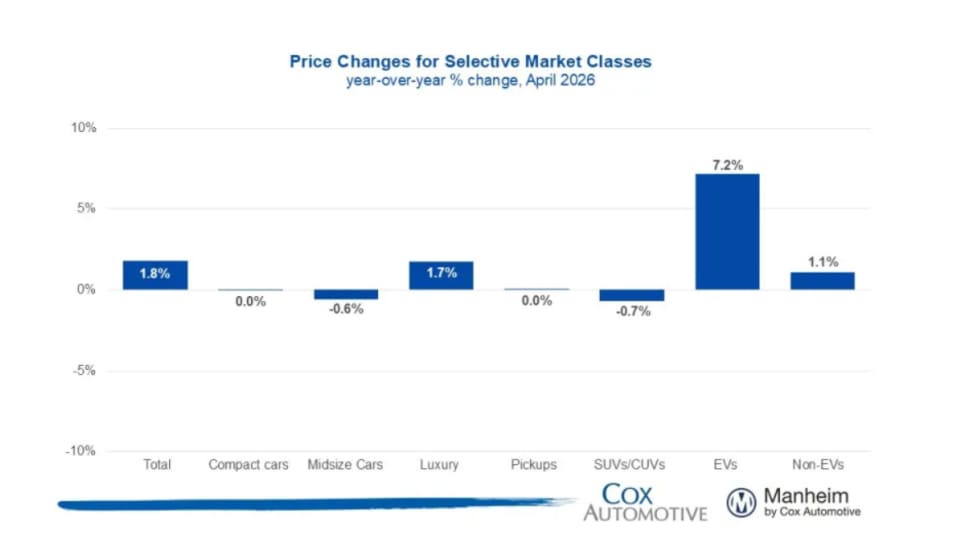
Wholesale Used Vehicle Prices Slightly Up In April
The Iranian conflict and rising gas prices inject much uncertainty into the future wholesale used vehicle markets, as higher gas prices soak up spendable income from vehicle buyers.
Read More →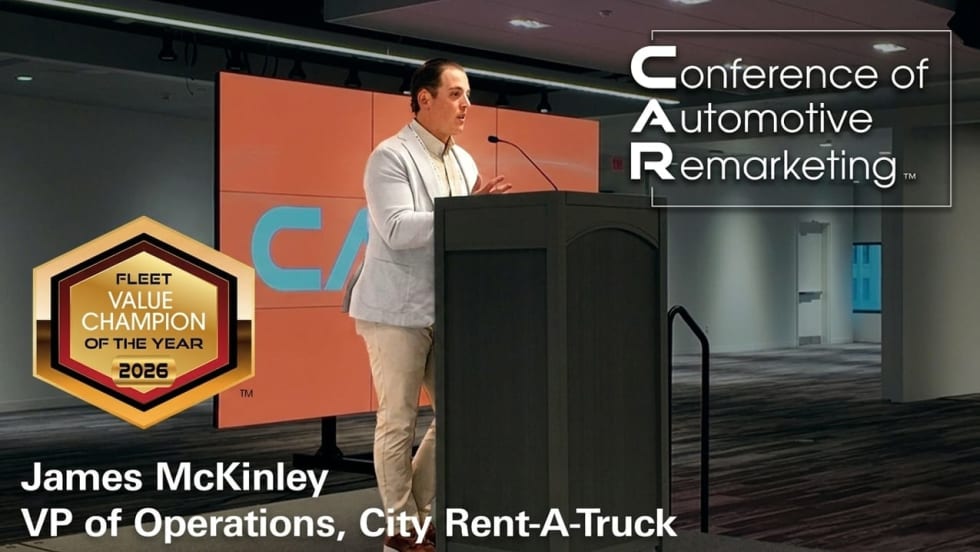
CAR2026: James McKinley Wins Value Champion of the Year
James McKinley of City Rent a Truck was named the inaugural Fleet Value Champion at the CAR Conference for his data-driven approach to fleet lifecycle management and vehicle remarketing.
Read More →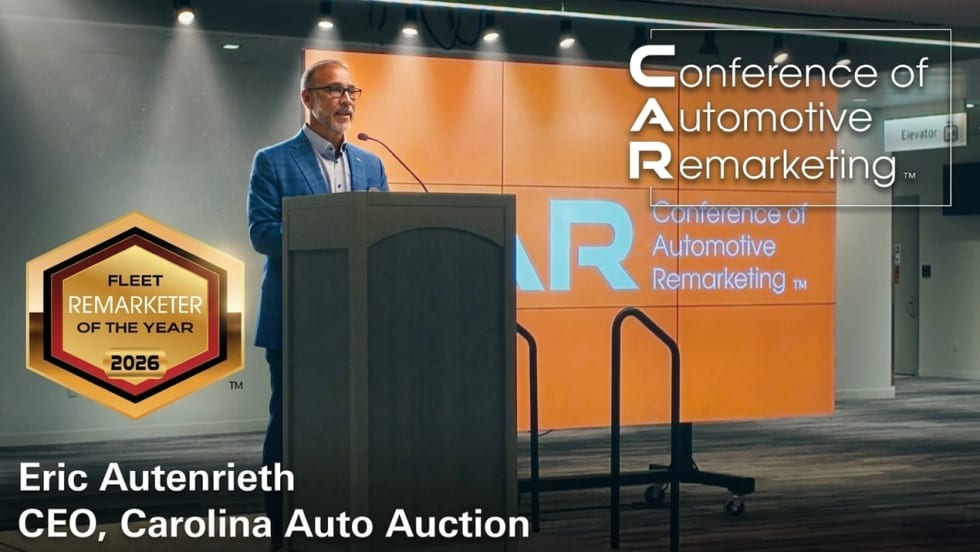
CAR2026: Eric Autenrieth Wins Remarketer of the Year
Eric Autenrieth was recognized at this year's CAR Conference as the Remarketer of the Year.
Read More →
CAR2026: Lawrence Knapp Wins Consignor of the Year
Lawrence Knapp won the Cosigner of the Year award at this year's CAR Conference.
Read More →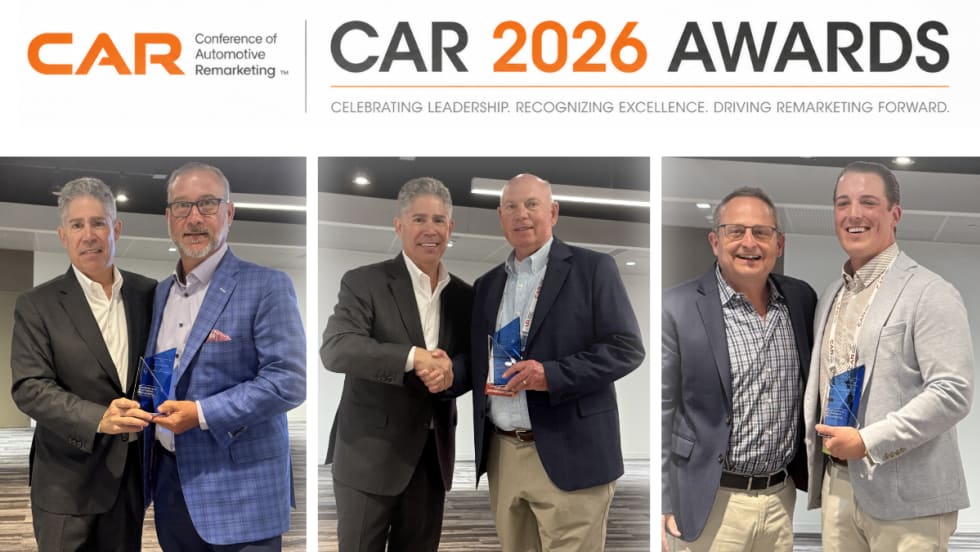
2026 CAR Awards Celebrate Industry Excellence
CAR’s annual Fleet Remarketing Awards opened a reimagined 2026 conference designed to bridge the worlds of fleet management and automotive remarketing.
Read More →
Inside the CAR2026 Awards: Leaders, Legacy & What’s Next
Here's a look inside the awards ceremony at the CAR Conference, where industry leaders reflected on the growth, impact, and future of automotive remarketing.
Read More →