




Safety Video Tip: Adjusting to the Time Change
The beginning of Daylight Saving Time brings an increase in drowsy driving risk as motorists struggle with sleep debt. Here are some timely safety tips from AAA and the National Sleep Foundation you can pass along to fleet drivers.
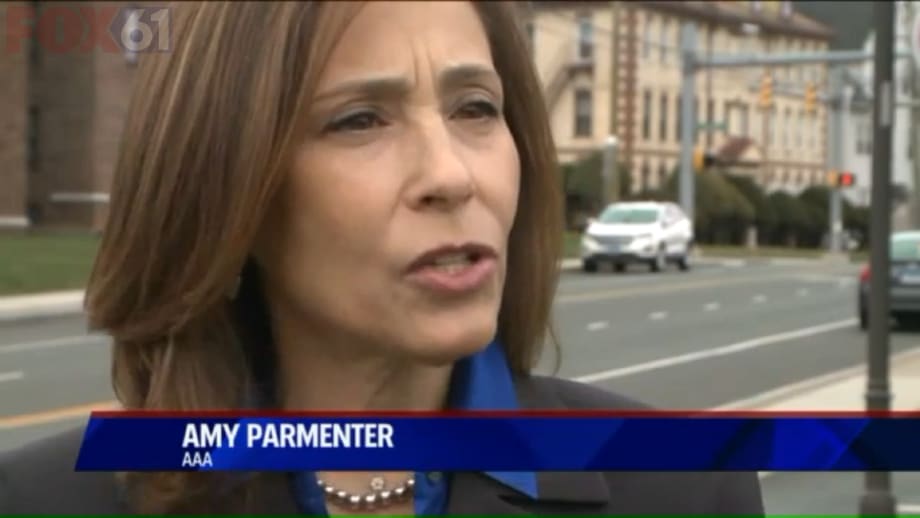
Feeling a little tired today? If so, you could be one of the millions of Americans still struggling to adjust to the time change on Sunday.
The loss of an hour of sleep, coupled with the change in daylight hours, means motorists may potentially experience drowsy driving and added distractions on the road, according to AAA.
“This annual rite of clock shock signals the beginning of the end of the long, cold winter,” said Chuck Mai, a spokesman for AAA Oklahoma. “But because the shifting of that one hour changes our sleep patterns, fatigued driving is a real possibility.”
Also, since the sun will be setting an hour later, it’s likely children, joggers, walkers and bicyclists will be outdoors longer, increasing their exposure and risk.
According to the National Sleep Foundation, these are signs that you’re too tired to drive and need to pull over:
Difficulty focusing, frequent blinking or heavy eyelids
Daydreaming; wandering/disconnected thoughts
Trouble remembering the last few miles driven; missing exits or traffic signs
Yawning repeatedly or rubbing your eyes
Trouble keeping your head up
Drifting from your lane, tailgating or hitting a shoulder rumble strip
Feeling restless and irritable.
Here are some additional Daylight Saving Time driving tips from AAA:
In the early morning, watch out for pedestrians when backing up in parking lots or driveways.
Turn on your headlights to make yourself more visible.
Leave more following room. When the sun is in your eyes it can be hard to see what the car ahead is doing.
Invest in polarized sunglasses — they can help reduce glare.
Utilize your sun visor, which can help to block out the sun.
Be mindful of more children and others who are outdoors in the lighter evening hours.
Remember to yield the right of way to pedestrians in crosswalks. Don’t pass vehicles stopped at crosswalks.
Pay attention and eliminate all distractions, including car clocks that are off an hour. Adjust the clock when you're not driving.
To view a video report on Daylight Saving Time driving dangers, click on the photo or link below the headline.
More Safety
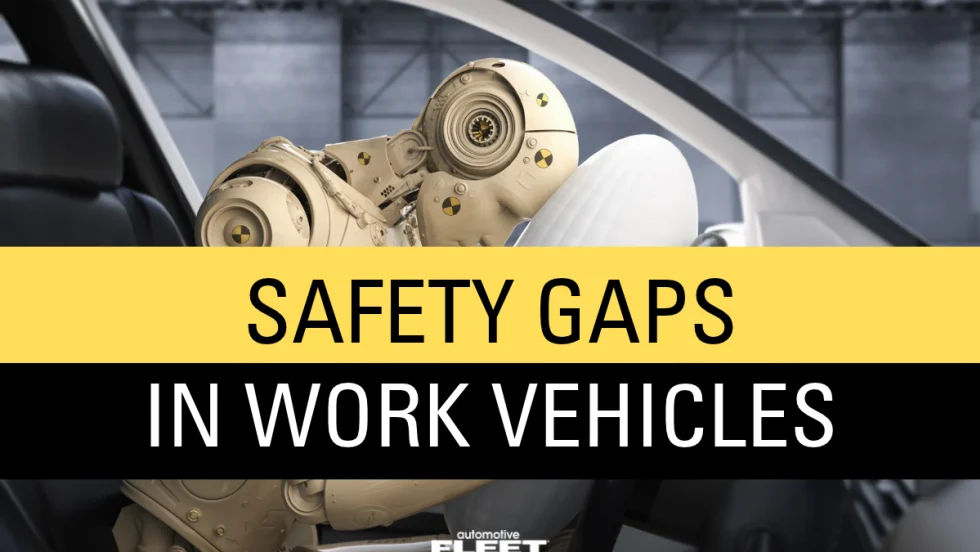
IIHS Crash Avoidance Tests Reveal Safety Gaps in Cargo Vans and Work Trucks
New crash-avoidance ratings from the Insurance Institute for Highway Safety reveal inconsistent performance among commercial vehicles, with several popular cargo vans and heavy-duty pickups struggling to avoid collisions with other vehicles and pedestrians.
Read More →
What’s Next for Fleet? Safety, AI & Industry Recognition | AF News Recap
Could your company's culture be encouraging distracted driving? This week, we're exploring how workplace expectations affect driver safety, what AI, EVs, and autonomous vehicles could mean for the future of fleet management, and how fleet professionals can strengthen their award nominations.
Read More →
Does Your Fleet's Culture Encourage Distracted Driving?
What happens when the people responsible for enforcing safety rules are the ones setting the wrong example? The answer may reveal why some of the biggest risks to fleet drivers have little to do with what's written in the employee handbook.
Read More →
Fleet Manager’s Ultimate Playbook: Navigating the New Standard in OEM Connectivity
Rising operating costs, driver safety concerns, and unplanned downtime are putting unprecedented pressure on modern fleets. Discover how fleet managers use embedded OEM connectivity and real-time vehicle data to cut TCO, prevent downtime, and protect drivers without aftermarket telematics hardware.
Read More →
From Driver Well-Being to EV Charging | AF News Recap
Mental health belongs in the fleet safety conversation. This week, we’re looking at five ways fleets can support employee well-being before a crisis, plus Holman’s expansion in Mexico, new one-day Fleet Forward passes, and why EV charging demand is outpacing infrastructure growth.
Read More →
Nexar-Nauto Merger Aims to Give Fleets Better Safety Intelligence Through Larger Driving Dataset
Stefan Heck tells Automotive Fleet that combining more than 10 billion miles of driving history with Nexar's AI models will give fleets deeper insights into driver risk and roadway conditions than either company could provide independently.
Read More →
Don't Wait for a Crisis: 5 Ways to Build Mental Health Into Your Fleet Safety Program
For Suicide Prevention Month, fleet and safety leaders have an opportunity to put mental health where it belongs: at the center of workplace safety.
Read More →
How Camera Data Can Strengthen a Fleet’s Insurance Renewal
Insights from a commercial insurance carrier and a broker show how fleets can turn video telematic data, driver coaching, and improved claims results into a stronger case at insurance renewal.
Read More →
The Safest Fleets Aren’t the Ones with the Most Technology
You’ve made the telematics investment. Here’s how to capture the other half of its value and build the safest fleet on the road.
Read More →
Hidden in Plain Sight: Fleet Compliance Risks
Fleet compliance isn't just about having policies — it's about consistently enforcing them. This practical guide reveals six hidden compliance risks common in public sector and shared fleet operations and outlines proven strategies to improve visibility, accountability, and audit readiness
Read More →