




USPS Requests Vehicle Prototypes for Testing
The U.S. Postal Service has requested prototypes from 15 qualified suppliers for a purpose-built delivery vehicle that would replace its aging fleet of Long Life Vehicles (LLVs).

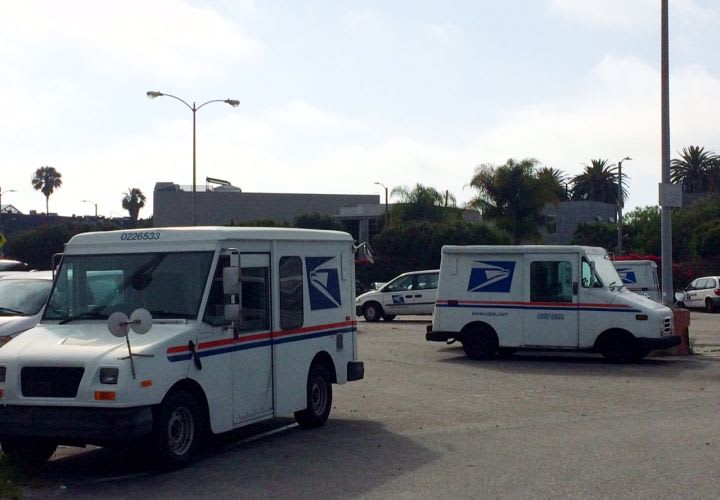
Photo by Paul Clinton.
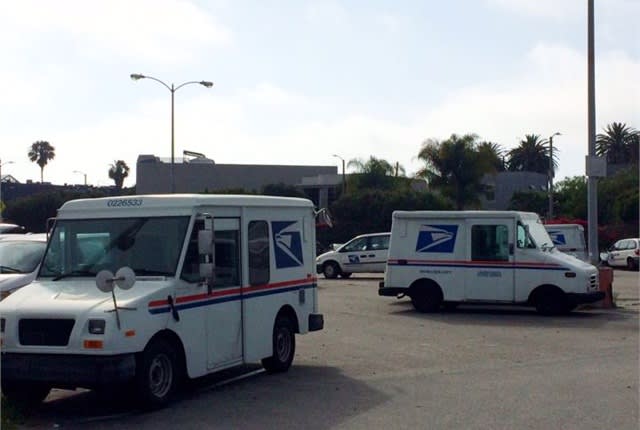
Photo by Paul Clinton.
The U.S. Postal Service has requested prototypes from 15 qualified suppliers for a purpose-built delivery vehicle that would replace its aging fleet of Long Life Vehicles (LLVs).
In its Request for Proposal (RFP) posted to FedBizOpps.gov on Oct. 20, 2015, the USPS is asking for a delivery vehicle that must meet a series of specific criteria and capabilities rather than purchasing a commercially available van or truck now offered by manufacturers. Suppliers must respond by Feb. 5.
The request asks for six purpose-built prototype vehicles that will be tested during a 26-week evaluation period. The supplier must support vehicle testing with on-site maintenance, trouble shooting, and required repair support within 24 hours, according to the documents.
At least one organization monitoring the USPS' initiative to begin purchasing its next-generation delivery vehicle criticized the approach, which is similar to the one the agency took in 1987 when it adopted the LLVs, which lacked safety features such as airbags, intermittent wipers, and anti-lock brakes.
"Unfortunately, today is 1987 all over again, with this new RFP issued by the Service spelling out in plain English its intent to repeat the very same mistake, holding on to its next fleet of purpose-built vehicles for at least another two decades while the world passes it by," said Robbie Diamond, president and CEO of Securing America's Future Energy (SAFE).
Diamond's group issued a report in late September urging the agency to use off-the-shelf vehicles rather than a purpose-built vehicle, and to upgrade its vehicle more often than every two decades.
In its RFP, the USPS is asking for capabilities such as a walk-in cargo area, cargo area ventilation, and the ability to heat the vehicle cabin to 65 degrees Fahrenheit in temperatures as cold as 30 degrees below zero. The vehicle must reach a daily driving range of 70-miles during an eight-hour continuous operating period with at least 600 stop-starts.
The six prototypes would include standard and smaller size vehicles in two-wheel and four-wheel drive.
The USPS plans to replace the majority of its 180,000 Long Life Vehicles (LLVs) at a cost of up to $6.3 billion.
More Operations

What Will Shape the Next Era of Fleet Management?
EVs, AI, and autonomous vehicles are reshaping fleet management. Discover what’s ahead—and how fleet leaders can prepare for the next era.
Read More →
How Fleets Can Recruit and Train Veterans for Technician Roles
Here's how the technician shortage has affected uptime for fleets, and what to do about it.
Read More →
Avis Budget Group Deploys Neology Toll Management Technology Across Major Brands
Neology’s neoFleet platform will manage toll transactions and toll-authority operations for vehicles across Avis, Budget, Payless, Budget Truck and Zipcar.
Read More →

Fleet Personal-Use Charges Edge Higher in 2026
Nearly eight in 10 surveyed fleets allow personal use of company vehicles, while just over half of respondents report charging employees for the privilege.
Read More →
The Future of Fleet + What’s Changing Right Now | AF News Recap
Could developments overseas offer a preview of what’s coming for U.S. fleets? This week, we’re looking at the future of AI, autonomy, and electrification, plus Ford Pro’s new certified pre-owned program, smarter vehicle offboarding, and a new way for fleets to manage toll expenses.
Read More →
How to Handle Vehicle Offboarding
What do fleet managers need to do when a driver leaves?
Read More →
Fleet Manager’s Ultimate Playbook: Navigating the New Standard in OEM Connectivity
Rising operating costs, driver safety concerns, and unplanned downtime are putting unprecedented pressure on modern fleets. Discover how fleet managers use embedded OEM connectivity and real-time vehicle data to cut TCO, prevent downtime, and protect drivers without aftermarket telematics hardware.
Read More →
U.S. Bank Adds Verra Mobility Toll Management to Voyager Fleet Platform
The integration allows U.S. Bank Voyager fleet customers to manage toll payments and violations alongside fuel, EV charging and maintenance expenses.
Read More →
ADAS Prevents Crashes. But Repairs Cost More | AF News Recap
ADAS-equipped vehicles may crash less often, but they can cost more when they do. This week, we’re breaking down what that tradeoff means for fleets, plus Subaru’s first Forester Wilderness Hybrid, Nissan’s new e-POWER Rogue, and why Calstart has become Catalyst Mobility.
Read More →
Moventum Fleet Management Names Mark Iorillo Head of Sales
Iorillo brings nearly 20 years of fleet management and sales experience to the role, including previous positions at Element Fleet Management, CEI, Donlen and Ryder.
Read More →