




USPS Should Use Mass-Market Vehicles, Report Says
The USPS could save as much as $1.9 billion by using modified, off-the-shelf mass-market vehicles and upgrading its fleet at least once in the next 20-25 years, according to a report from the organization Securing America's Future Energy (SAFE).

Photo by Paul Clinton.
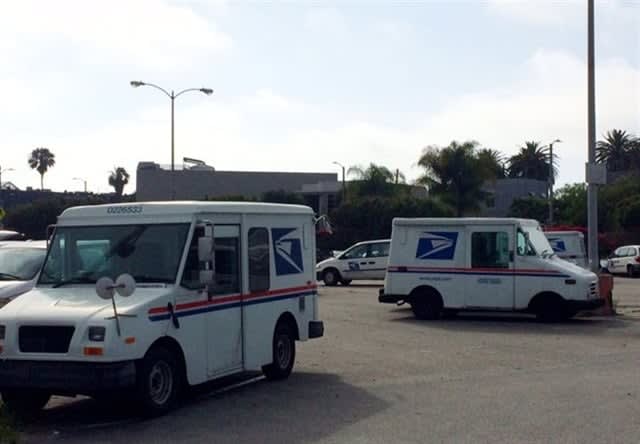
Photo by Paul Clinton.
By using modified, off-the-shelf mass-market vehicles and upgrading its fleet at least once in the next 20-25 years, the United States Postal Service (USPS) could save as much as $1.9 billion over the life of the fleet, according to analysis by the organization Securing America's Future Energy (SAFE).
The USPS is now finalizing its strategy for future vehicle purchases. The quasigovernmental agency plans to replace the majority of its 180,000 Long Life Vehicles (LLVs) at a cost of up to $6.3 billion, and has identified 15 possible manufacturers for the next-generation delivery vehicle.
SAFE's analysis found that the total cost of ownership of a fleet composed of a variety of off-the-shelf vehicles would be significantly less than one based around a single, custom-built vehicle manufactured exclusively for USPS. The analysis was conducted by economic policy research firm Keybridge LLC, which is headed by Robert Wescott, former chief economist at the White House Council of Economic Advisors.
Analysis results were based on calculations using the U.S. Department of Energy’s Alternative Fuel Life-Cycle Environmental and Economic Transportation (AFLEET) Tool, as well as a comparison of a sample fleet of representative vehicles from possible future USPS vehicle manufacturers that included the Jeep Cherokee, Ford Transit Connect, and Nissan e-NV200, according to the report.
Click here for a summary of the report's key findings and to download the report in its entirety.
More Green Fleet
New Propane Autogas Program Offers Fleet Compensation
Qualified commercial fleets can receive $7,500 per eligible propane autogas vehicle and up to $10,000 for new refueling site prep. Learn how the program works and see whether your fleet qualifies.
Read More →
EV Charging Use Is Outpacing Infrastructure Growth
ChargePoint’s 2026 Charging Forward Report points to rising charger use, higher-powered charging, commercial vehicle electrification, and energy-management technology. Here’s what fleets should know.
Read More →
Merchants Fleet Reports 290M EV Miles as Fleets Navigate Changing Electrification Market
From millions in operating savings to hundreds of millions of EV miles, Merchants Fleet’s latest report reveals what’s working and what’s changing in fleet electrification.
Read More →
The EV Breakdown Nobody's Talking About: Why Most Electric Vehicle Roadside Calls Aren't Mechanical Failures
Here's why EV breakdowns are widely misunderstood.
Read More →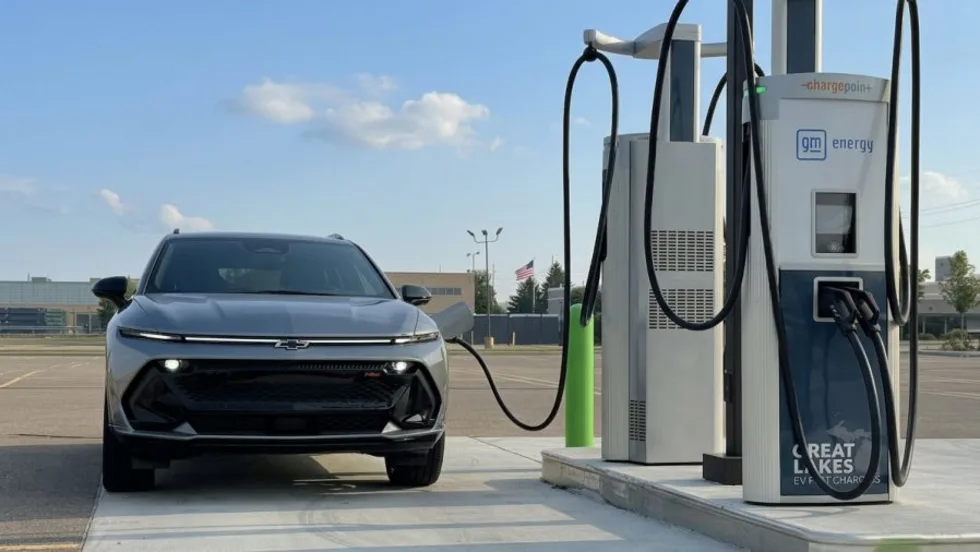
ChargePoint Now Available in Energy Pass
ChargePoint and additional planned charging network integrations were added to GM's Energy Pass.
Read More →

First Look: Slate Auto's Electric Fleet Pickup
Could an affordable, modular EV pickup make electrification more practical for fleets?
Read More →
Slate Debuts Colorful, Unique EV Models
A recent media and client event, studded with electric vehicles dressed up on platforms, planted a new position for the manufacturer in the wider EV market. Fleets will find cost-saving advantages.
Read More →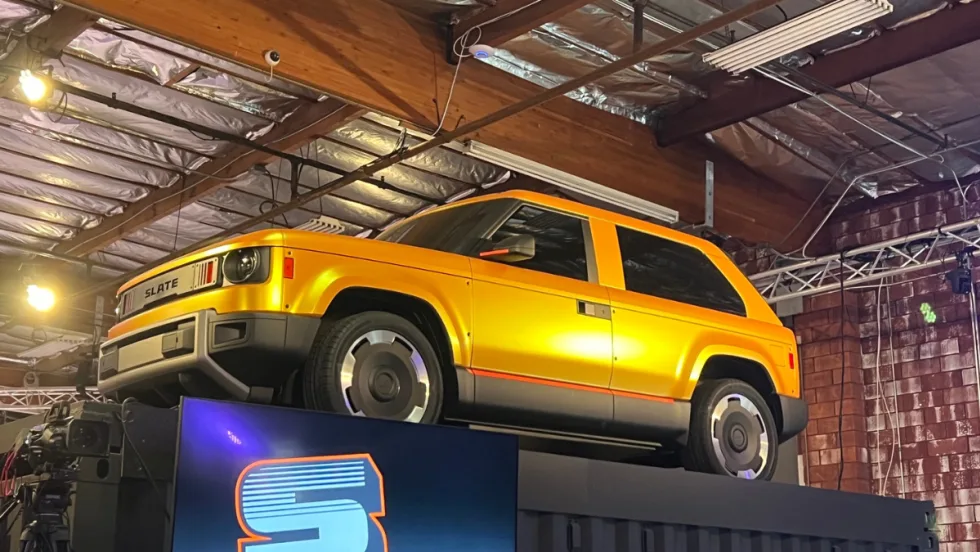
Slate Electric SUV, Pickup Switchable Model Aims For Light-Duty Fleets
Everything about this EV is counterintuitive and understated, making it stand out from the crowd.
Read More →
Inspiration Mobility Acquires Key Electrada Assets
Inspiration Mobility Group has acquired select assets of Electrada, adding the fleet electrification provider's team, technology, and charging infrastructure development capabilities to its energy management business.
Read More →