




Fleet Sales Bolstered By Economic Growth, Low Fuel Costs
Sales of light-duty vehicles from nine manufacturers to commercial fleet users rose 16.7 percent in January mostly on the strength of trucks, vans, and SUVs, according to Automotive Fleet data.

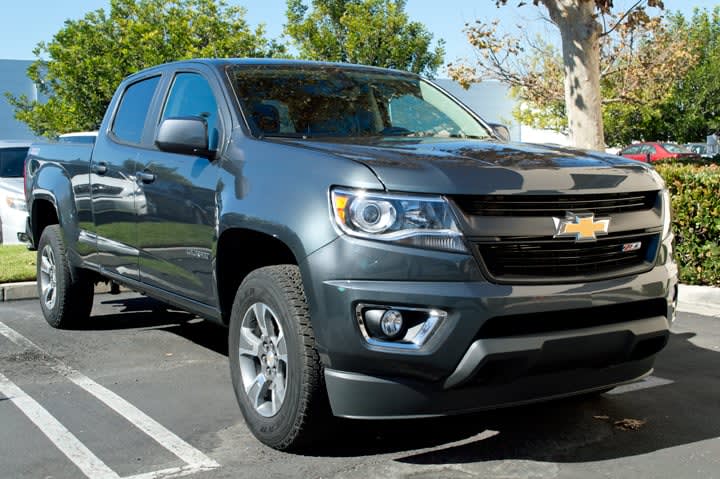
Photo of 2015 Chevrolet Colorado by Vince Taroc.
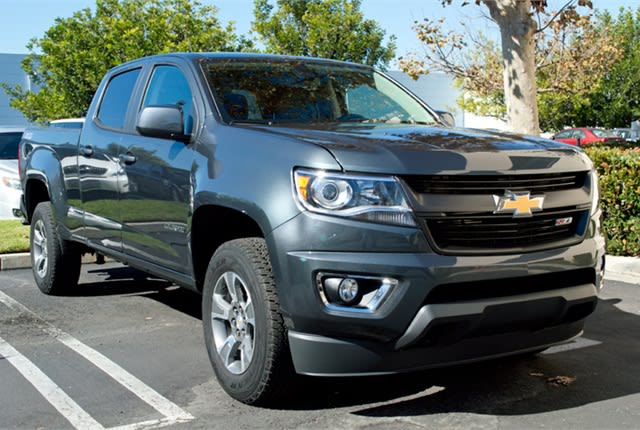
Photo of 2015 Chevrolet Colorado by Vince Taroc.
Sales of light-duty vehicles from nine manufacturers to commercial fleet users rose 17.1 percent in January mostly on the strength of trucks, vans, and SUVs, according to Automotive Fleet data.
The growth surge in fleet and retail channels has been propelled by pent-up pre-recession demand, a relatively strong U.S. economy, and low fuel prices, executives of fleet management companies said.
"We have seen a strong percentage of our clients growing their fleets once again," said Laura Jozwiak, vice president of client relations for Wheels Inc. "The low gas prices, pent-up consumer demand for all products, and the overall economy have certainly helped most industries rebound from the recession."
Sales of vehicles to commercial fleets and fleet management companies reached 41,874 units in January compared with 35,757 units sold in January of 2013. This follows an increase of 9.1 percent in the segment for the 2014 calendar year.
As in the retail channel, full-size trucks, vans and SUVs are driving the sales growth at the expense of passenger cars. The nine manufacturers sold 35,999 vehicles in this segment, which represented a 25.6 percent increase over the 28,662 vehicles sold a year ago. In contrast, sales of cars fell 17.2 percent to 5,875 from the 7,095 cars sold in January of 2013.
Fleet sales have kept strong forward momentum even if executives from fleet management companies may have different explanations for the underlying causes. Lower fuel prices appear to be fueling truck sales in the retail channel, but they may not be the same driver in the fleet channel, said Partha Ghosh, ARI's director of supply chain management.
"Fleet sales are usually driven by capital expenditure budgets and business needs," Ghosh said. "To the degree that more favorable operating expenses occur (perhaps as a result of lower fuel expense), companies will have more to invest in capital expenditures and if that occurs we may see a positive impact to fleet sales."
Fuel prices have been in a steady decline since late summer of 2014. For the week ending Feb. 3, the price of a gallon of regular unleaded reached $2.06. It has fallen from its perch of $3.70 per gallon in late June. A prolonged period of lower prices could have an impact, Ghosh acknowledged.
"Of course, if lower gas prices remain in place for a significant period of time, this also may enable companies to grow faster and hire more people, and that could have an indirect positive effect on fleet sales as well," Ghosh said.
In this lower-fuel-cost environment, fleet managers should keep a close eye on vehicle purchasing, said Jozwiak.
"Although fuel expenses have been cut in half as of late, our account managers continue to caution our clients to stay vigilant on fuel management best practices, expectations for future budgets, and proper vehicle selection," said Jozwiak. "The low gas prices give us all an opportunity to decide how to manage the windfall, and to mitigate any underlying risks."
By Paul Clinton
More Operations

Fleet Has a Talent Pipeline Problem. What Comes Next? | AF News Recap
Where will fleet’s next generation of leaders come from? This week, we’re looking at the industry’s talent pipeline, what certification can add to a fleet career, how to build an award-worthy track record, and the return of Automotive Fleet’s Personal Use Survey.
Read More →
Smith System Launches Driver Risk Management Program
Fleets have more driver data than ever, but identifying risky behavior doesn't necessarily correct it. Smith System's new Driver Risk Management program combines monitoring, training, and follow-up coaching to help fleets connect risk signals with driver intervention.
Read More →
Automotive Fleet Opens 2026 Personal Use Survey for Commercial Fleet Managers
Less than two weeks left! Commercial and corporate fleet managers are invited to share how their organizations handle company vehicle personal-use policies, charges, and driver eligibility.
Read More →
From AI Prompts to AI-Generated Safety Songs | AF News Recap
Can better prompts make AI more useful for fleet managers? This week, we’re breaking down smarter fleet analysis, an AI-assisted experiment that turned safety training into music, and what happened to fuel prices in August.
Read More →
How to Write Better AI Prompts for Fleet Analysis
Include these six elements in your fleet prompts to generate more relevant analysis and accurate answers.
Read More →
Fleet Meets: Eric Kilgore
This edition of the Fleet Meets series features one of the industry's best leaders driving multi-market and national operations.
Read More →
Why Reactive Fleet Management Is Becoming Too Expensive to Sustain
Research highlights a growing need for proactive management strategies to address rising costs in fleet operations effectively.
Read More →
What Your Fleet KPIs Aren’t Telling You
Tracking fleet metrics is only useful when the data leads to better decisions. This guide helps fleet leaders assess cost, utilization, and downtime more accurately, identify performance gaps, and prioritize the actions that can improve operational results.
Read More →
Hidden in Plain Sight: Fleet Compliance Risks
Fleet compliance isn't just about having policies — it's about consistently enforcing them. This practical guide reveals six hidden compliance risks common in public sector and shared fleet operations and outlines proven strategies to improve visibility, accountability, and audit readiness
Read More →
Turning Fleet Payment Data into Executive Insights
Does data alone drive results in operations?
Read More →