




2019 Ford Ranger Production to Begin in Late 2018
The Ford Ranger is returning to the North American market with a 2.3L EcoBoost engine, 10-speed automatic transmission, and a suite of Ford’s latest technologies.
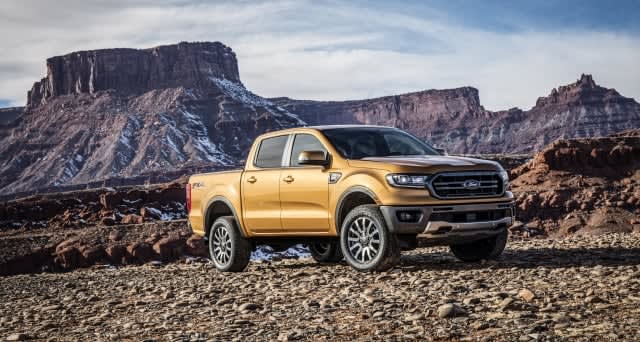
The Ranger will be available in three trim grades: XL, midlevel XLT, and a high-level Lariat trim series. It will include FX Off-Road packages, and in SuperCab or SuperCrew cab configurations. (Photo courtesy of Ford Motor Co.)

The Ranger will be available in three trim grades: XL, midlevel XLT, and a high-level Lariat trim series. It will include FX Off-Road packages, and in SuperCab or SuperCrew cab configurations. (Photo courtesy of Ford Motor Co.)
The Ford Ranger is returning to the North American market with a 2.3L EcoBoost engine, 10-speed automatic transmission, and a suite of Ford’s latest technologies.
Production of the mid-size truck, which can seat up to five people, will begin later this year at Ford's Michigan Assembly Plant, according to the automaker. Ford decided to bring the Ford Ranger back partly due to increased customer demand in the mid-size truck market, which has seen an increase in U.S. sales by 83% since 2014.
“Ranger has always held a special place in the hearts of truck fans,” said Hau Thai-Tang, Ford executive vice president, Product Development and Purchasing. “The all-new Ranger is designed for today’s midsize truck buyer, delivering even more utility, capability and technology for those who blend city living with more off-the-grid adventures on weekends.”
The revived Ranger includes a center stack with an eight-inch touchscreen that features Ford’s SYNC 3 system. Available SYNC 3 features include Apple CarPlay and Android Auto compatibility, Ford+Alexapersonal assistant functionality and optional navigation, Ford said. Also available are AC power outlets that allow for charging of laptops and USB outlets, and an available FordPass Connect 4G LTE modem that provides Wi-Fi access for up to 10 devices.

Available SYNC 3 features include Apple CarPlay and Android Auto compatibility, Ford+Alexapersonal assistant functionality and optional navigation. (Photo courtesy of Ford Motor Co.)
The Ranger will be available in three trim grades: XL, midlevel XLT, and a high-level Lariat trim series. It will include FX Off-Road packages and in SuperCab or SuperCrew cab configurations. The FX4 Off-Road Package provides additional trail capability and includes a terrain management system that offers four distinct driving modes: normal; grass, gravel and snow; mud and ruts; and sand.
Available driver-assist technologies include standard automatic emergency braking, while lane keeping assist, lane departure warning, a reverse sensing system and blind spot information system with trailer coverage are standard on XLT and Lariat trim levels.
Additional features include optional LED headlamps and tail lamps. Optional exterior lighting includes puddle lamps and lighting for the cargo bed, while Ford’s available Smart Trailer Tow connector alerts drivers to faulty trailer connection, the automaker said.
Ford had sold the earlier iteration of the Ranger in the U.S. in the 1983 to 2012 model-years. The truck became a popular choice for pest-control fleets and smaller fleets in general due to its affordability.
The last Ford Ranger built in the U.S. was a fleet order for Orkin Pest Control, which had adopted the Ranger as a mainstay vehicle before shifting to the Tacoma.

Production of the mid-size truck, which can seat up to five people, will begin later this year at Ford's Michigan Assembly Plant, according to the automaker. (Photo courtesy of Ford Motor Co.)
More Operations
What Fleet Managers Really Want From Vendors
From customer service frustrations and technology breakdowns to RFQs, change management, and the growing impact of turnover across the industry, this conversation pulls back the curtain on the real operational challenges fleet managers are navigating every day.
Read More →
Fleet Safety Masterclass: Industry Leaders on Storytelling, Strategy & Innovation
In this special masterclass episode, industry leaders break down what it really takes to build safer fleets in today’s increasingly distracted and data-driven world.
Read More →
Integrating Legacy Fleet Systems and Historical Data
In this episode, we bring together fleet and technology leaders to unpack the realities of data integration, system migrations, and the evolving role of AI in fleet management.
Read More →


From Resistance to Results: Change Management Strategies for Fleets
From new technologies and safety programs to evolving regulations, fleets are under constant pressure to adapt. But as Dr. Betz explains, success isn’t about the system you implement—it’s about whether your people actually use it.
Read More →
Where We're Headed: A Practical Look at AI in Fleet
Discover how AI is actually being deployed in fleets, not just marketed, including practical use cases and emerging risks.
Read More →
How Coca-Cola United Protects Its Fleet from Growing Legal Risk
Growing legal exposure can put fleets at risk. Here's one company's approach.
Read More →
Fleet Managers Think They Understand Their Costs. The Data Says Otherwise.
Most fleet managers say they have a strong handle on their costs, but new research from Bobit Business Media tells a different story. A 2026 survey of 190 fleet professionals reveals a widespread "confidence gap" where fragmented systems, disconnected data, and delayed reporting are leaving major blind spots hidden beneath the surface. Find out what the data actually shows.
Read More →
Cameras, Safety and Insurance: From Reactive Claims to Real-Time Prevention (Part 2 of 2)
Part Two: Commercial auto remains one of the most challenging and costly lines of coverage for fleet operators and insurers alike. Continue learning more about how to effectively address these issues from Onur Aksan, Enterprise Business Development Executive, Geotab
Read More →
New Trucks, AI & Summer Downtime | AF News Recap
From new truck updates to AI-powered driver coaching and summer maintenance tips, this week's fleet headlines are all about keeping things moving.
Read More →
Beyond Utilization Rates: Smarter Fleet Replacement Decisions
Vehicle replacement decisions affect every aspect of fleet performance, from operating costs to asset availability. This guide explores how fleet leaders use integrated data, benchmarking, and lifecycle analytics to determine the right fleet size and optimize replacement timing with greater confidence.
Read More →