




2018 Chevrolet Equinox Adds Turbo, Diesel Engines
Chevrolet's 2018 Equinox will add a pair of turbo-charged four-cylinder engines and an optional turbo-diesel as the compact SUV enters its third generation.
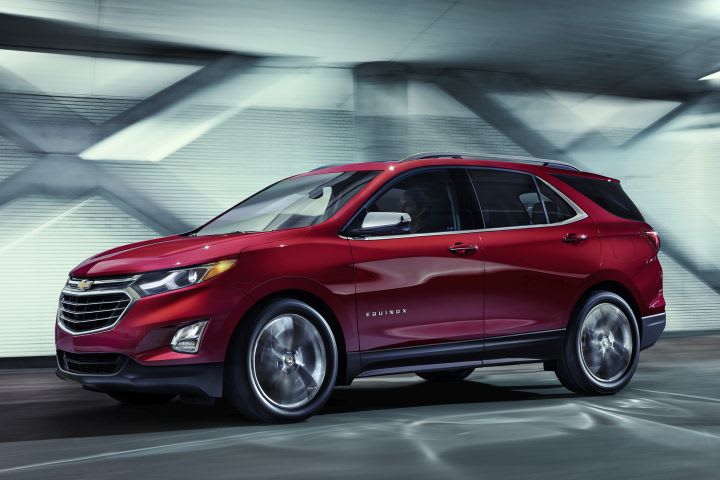
Photo of 2018 Chevrolet Equinox courtesy of GM.
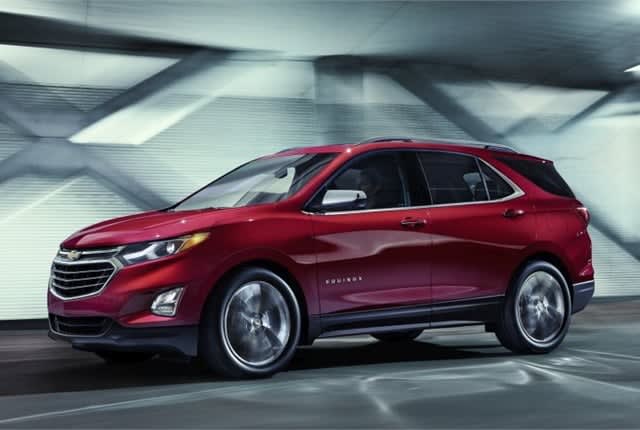
Photo of 2018 Chevrolet Equinox courtesy of GM.
Chevrolet's 2018 Equinox will add a pair of turbo-charged four-cylinder engines and an optional turbo-diesel as the compact SUV enters its third generation.
Chevrolet introduced the vehicle on the autumnal equinox (Sept. 22) as the start of an initiative to refresh its entire SUV lineup.
The 2018 Equinox also improves connectivity, safety technology, and adaptive crash avoidance features. The vehicle also sheds 400 pounds over the outgoing model and a switchable all-wheel-drive system.
The new engine lineup includes two turbo-charged four cylinders that replace the Ecotec 2.4L direct-injected four-cylinder and optional 3.6L V-6. A 1.5L direct-injected DOHC that makes 170 hp and 203 lb.-ft. of torque serves as the base engine. The Equinox powered by this engine with a 6-speed automatic transmission (Hydra-Matic 6T40) should achieve 31 mpg on the highway, according to GM.
A 2.0L direct-injected DOHC should produce 252 hp and 260 lb.-ft.. It's paired with a 9-speed automatic (Hydra-Matic 9T50) and should achieve 28 mpg on the highway.
The 2018 Equinox will also offer a 1.6L turbo-diesel that makes 136 hp and 236 lb.-ft. It will be paired with a 6-speed automatic (Hydra-Matic 6T45) and should achieve 40 mpg on the highway.
"The Chevrolet Equinox is one of the top-selling compact crossovers for commercial fleets, and we look forward to continuing that success with the 2018 Equinox," said Jason Simcoke, General Motors Fleet, commercial product manager, crossovers. "The all-new Equinox gives commercial customers more choices and customization options than ever before with three available turbocharged engines, including two gas engines and the segment’s first turbo-diesel."
Chevrolet has refreshed the exterior design of the Equinox with styling inspired by the 2016 Chevrolet Malibu. In the interior, designers have lowered the windshield base and added a new “kneeling” rear seat with bottom cushions that tilt forward when the split-folding seatbacks are lowered, allowing a flat floor for easier loading.
As for technology, the 2018 Equinox will offer 7- or 8-inch displays for MyLink infotainment systems that will now support Apply CarPlay and Android Auto, as well as an available OnStar 4G LTE Wi-Fi hotspot.
New safety features include a Safety Alert Seat, Surround Vision, a forward collision alert, low-speed forward automatic braking, lane keep assist, blind zone alert, and rear cross traffic alert.
The 2018 Equinox is expected to go on sale in early 2017.
General Motors received more than 26,000 Equinox orders from commercial and government fleet users for the 2015 model year Equinox, Simcoke said.
"The 2018 Equinox is lighter and shorter than the previous model, but has more interior space and a tighter turning radius making it easier to maneuver in urban settings," Simcoke said. "The Equinox also delivers on safety with an extensive list of standard and a broad range of available safety features to help prevent accidents and keep drivers safe on the road."
More Operations
What Fleet Managers Really Want From Vendors
From customer service frustrations and technology breakdowns to RFQs, change management, and the growing impact of turnover across the industry, this conversation pulls back the curtain on the real operational challenges fleet managers are navigating every day.
Read More →
Fleet Safety Masterclass: Industry Leaders on Storytelling, Strategy & Innovation
In this special masterclass episode, industry leaders break down what it really takes to build safer fleets in today’s increasingly distracted and data-driven world.
Read More →
Integrating Legacy Fleet Systems and Historical Data
In this episode, we bring together fleet and technology leaders to unpack the realities of data integration, system migrations, and the evolving role of AI in fleet management.
Read More →


From Resistance to Results: Change Management Strategies for Fleets
From new technologies and safety programs to evolving regulations, fleets are under constant pressure to adapt. But as Dr. Betz explains, success isn’t about the system you implement—it’s about whether your people actually use it.
Read More →
Where We're Headed: A Practical Look at AI in Fleet
Discover how AI is actually being deployed in fleets, not just marketed, including practical use cases and emerging risks.
Read More →
How Coca-Cola United Protects Its Fleet from Growing Legal Risk
Growing legal exposure can put fleets at risk. Here's one company's approach.
Read More →
Fleet Managers Think They Understand Their Costs. The Data Says Otherwise.
Most fleet managers say they have a strong handle on their costs, but new research from Bobit Business Media tells a different story. A 2026 survey of 190 fleet professionals reveals a widespread "confidence gap" where fragmented systems, disconnected data, and delayed reporting are leaving major blind spots hidden beneath the surface. Find out what the data actually shows.
Read More →
Cameras, Safety and Insurance: From Reactive Claims to Real-Time Prevention (Part 2 of 2)
Part Two: Commercial auto remains one of the most challenging and costly lines of coverage for fleet operators and insurers alike. Continue learning more about how to effectively address these issues from Onur Aksan, Enterprise Business Development Executive, Geotab
Read More →
New Trucks, AI & Summer Downtime | AF News Recap
From new truck updates to AI-powered driver coaching and summer maintenance tips, this week's fleet headlines are all about keeping things moving.
Read More →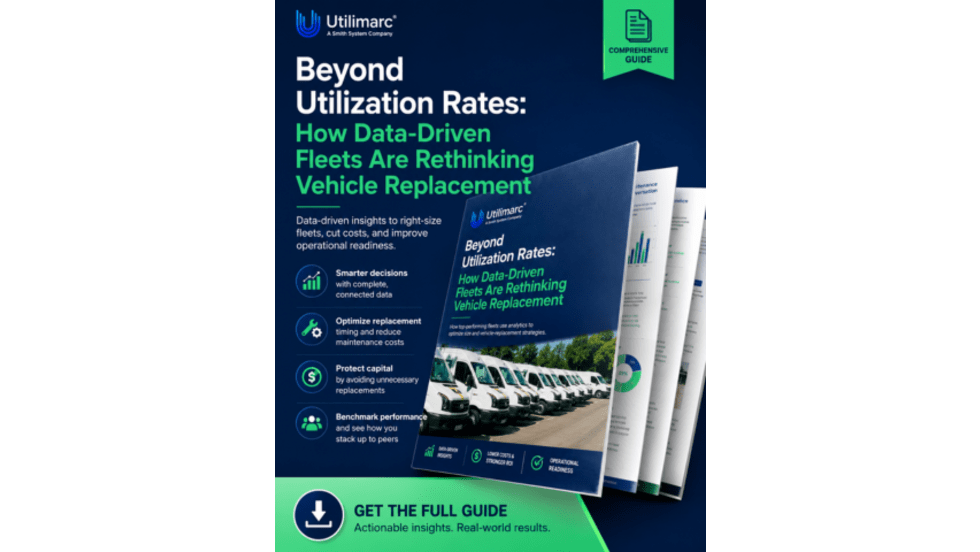
Beyond Utilization Rates: Smarter Fleet Replacement Decisions
Vehicle replacement decisions affect every aspect of fleet performance, from operating costs to asset availability. This guide explores how fleet leaders use integrated data, benchmarking, and lifecycle analytics to determine the right fleet size and optimize replacement timing with greater confidence.
Read More →