




Related: FCA to Produce Hybrid Trucks, SUVs
FCA Ending Chrysler 200, Dodge Dart to Focus on Trucks, SUVs
Fiat Chrysler Automobiles will eventually discontinue the Chrysler 200 and Dodge Dart, increase Jeep SUV and Ram truck production, and roll out additional hybrids as part of its business plan leading toward 2018.
by Staff
January 27, 2016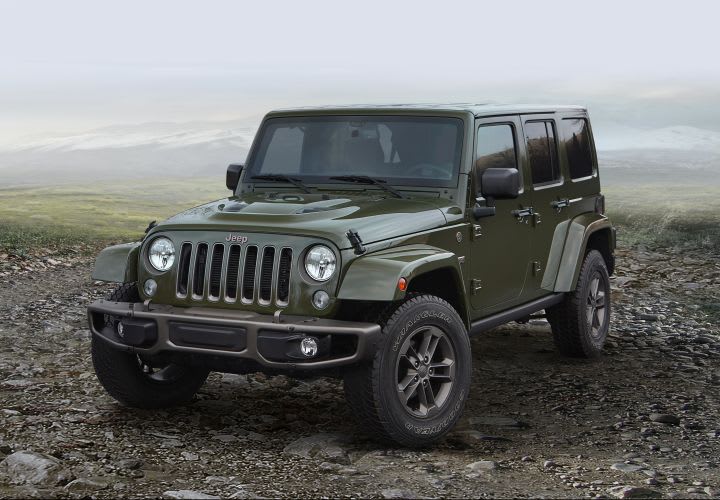
Photo of 2016 Jeep Wrangler courtesy of FCA US.
2 min to read
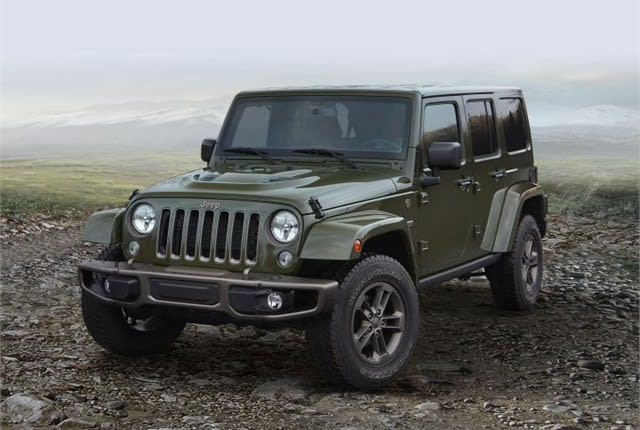
Photo of 2016 Jeep Wrangler courtesy of FCA US.
Fiat Chrysler Automobiles (FCA US) will eventually discontinue the Chrysler 200 and Dodge Dart, increase Jeep SUV and Ram truck production, and roll out additional hybrids by 2018, the automaker announced as an update to its 5-year business plan.
FCA US is shifting its product strategy in the U.S. market as a response to persistently low gasoline prices and a shift in demand toward utility vehicles and trucks over passenger cars, CEO Sergio Marchionne said during a Jan. 27 conference call with investors. The company is also dealing with higher recall costs.
While discussing the FCA vehicles offered in the U.S., Marchionne said the company has incorporated a "permanent shift in demand" from cars to trucks and utility vehicles. Since 2009, FCA has seen its sales reflect this shift. That year, FCA sold 56% cars, 29% utility vehicles, and 15% trucks. In 2015, FCA sold 46% cars, 37% utility vehicles, and 17% trucks.
"There are two cars in particular, the Dodge Dart and Chrysler 200, which will run their course," Marchionne said. "Without creating additional capacity, we need to reutilize those plant infrastructures to try and deal with the development of Jeep and the Ram brand."
Marchionne perhaps foreshadowed the announcement about the Chrysler 200 earlier this week, when he said the car was "not up to snuff" because of its cramped rear seating.
FCA US executives gave some initial details about their expansion plans for Jeep and Ram. The company hopes to sell 2 million Jeeps globally in 2018. In 2015, FCA US sold 1.2 million Jeep vehicles — the most in the brand's history and a more than 50% increase from 2013.
Marchionne said FCA US is working to open up production capacity for the Wagoneer and three-row Grand Wagoneer expected to arrive around 2018. FCA plans to introduce the next-generation Wrangler in 2017. A North Carolina defense contractor is now negotiating to return a military-spec Wrangler to the battlefield, the Detroit News reported.
The Chrysler 200 is built in Sterling Heights, Mich., and the Dodge Dart is built in Belvidere, Ill. FCA US is expected to move production of its Ram pickup to Sterling Heights and its Jeep Cherokee to Belvidere, reports the Detroit Free Press.
To meet increasingly stringent greenhouse gas emissions regulations, FCA US plans to produce gasoline-electric hybrid and diesel-powered versions of its Wrangler, upcoming Chrysler Pacifica minivan, and Ram 1500.
The business plan updated a 5-year plan announced in 2014.
More Operations

What Will Shape the Next Era of Fleet Management?
EVs, AI, and autonomous vehicles are reshaping fleet management. Discover what’s ahead—and how fleet leaders can prepare for the next era.
Read More →
How Fleets Can Recruit and Train Veterans for Technician Roles
Here's how the technician shortage has affected uptime for fleets, and what to do about it.
Read More →
Avis Budget Group Deploys Neology Toll Management Technology Across Major Brands
Neology’s neoFleet platform will manage toll transactions and toll-authority operations for vehicles across Avis, Budget, Payless, Budget Truck and Zipcar.
Read More →

Fleet Personal-Use Charges Edge Higher in 2026
Nearly eight in 10 surveyed fleets allow personal use of company vehicles, while just over half of respondents report charging employees for the privilege.
Read More →
The Future of Fleet + What’s Changing Right Now | AF News Recap
Could developments overseas offer a preview of what’s coming for U.S. fleets? This week, we’re looking at the future of AI, autonomy, and electrification, plus Ford Pro’s new certified pre-owned program, smarter vehicle offboarding, and a new way for fleets to manage toll expenses.
Read More →
How to Handle Vehicle Offboarding
What do fleet managers need to do when a driver leaves?
Read More →
Sponsored•October 1, 2026
Fleet Manager’s Ultimate Playbook: Navigating the New Standard in OEM Connectivity
Rising operating costs, driver safety concerns, and unplanned downtime are putting unprecedented pressure on modern fleets. Discover how fleet managers use embedded OEM connectivity and real-time vehicle data to cut TCO, prevent downtime, and protect drivers without aftermarket telematics hardware.
Read More →
U.S. Bank Adds Verra Mobility Toll Management to Voyager Fleet Platform
The integration allows U.S. Bank Voyager fleet customers to manage toll payments and violations alongside fuel, EV charging and maintenance expenses.
Read More →
ADAS Prevents Crashes. But Repairs Cost More | AF News Recap
ADAS-equipped vehicles may crash less often, but they can cost more when they do. This week, we’re breaking down what that tradeoff means for fleets, plus Subaru’s first Forester Wilderness Hybrid, Nissan’s new e-POWER Rogue, and why Calstart has become Catalyst Mobility.
Read More →
Moventum Fleet Management Names Mark Iorillo Head of Sales
Iorillo brings nearly 20 years of fleet management and sales experience to the role, including previous positions at Element Fleet Management, CEI, Donlen and Ryder.
Read More →